Politics & Government
Electronic Billboards May Soon Line I80, Highway 65 in Roseville
City Council approved changes to an ordinance that will allow electronic billboards on city-owned property that could generate General Fund revenue.
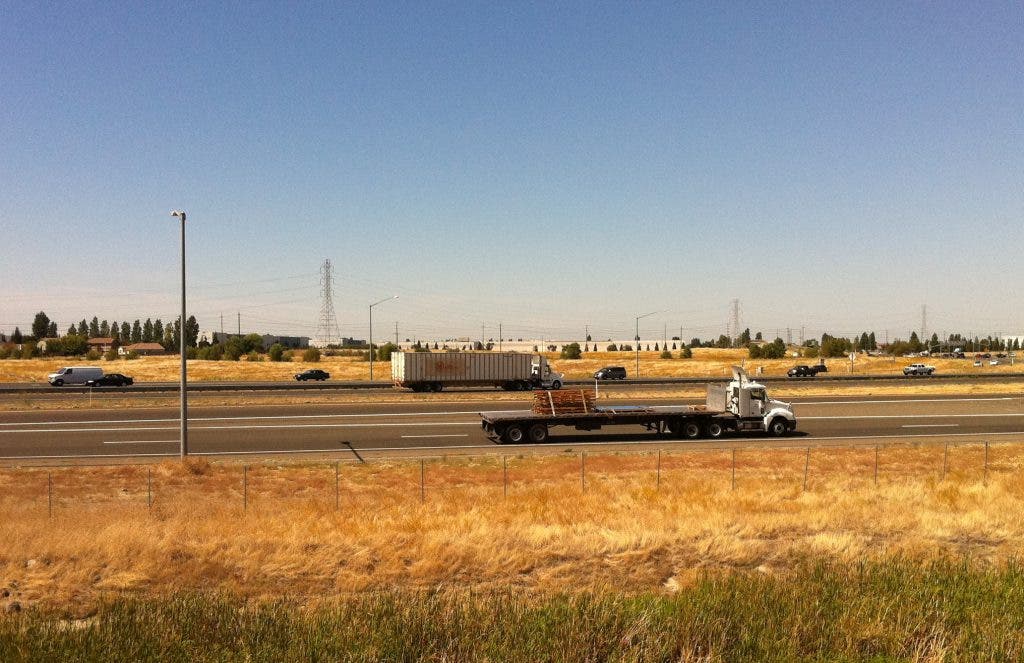

Driving along Highway 65 or Interstate 80 in Roseville may look a little different in the near future. You might start seeing digital billboards, which have the ability to rotate more than 11,000 ads daily.
During Wednesday’s Roseville City Council meeting, a municipal code ordinance was called for amendment to allow electronic billboards on city-owned property. The amendment was proposed by Mike Isom, senior city planner for the City of Roseville.
Currently, Roseville's current sign ordinance doesn't allow the construction of new billboards.
Find out what's happening in Rosevillefor free with the latest updates from Patch.
Isom said if the council were to approve an electronic billboard in the future, no policy changes would be recommended. Relocation agreements would be proposed with current billboard owners, they would attempt to maintain 5 static billboards and ideally approach consolidation in exchange for the electronic signs.
“The intent tonight is to amend the ordinance to allow this to occur. The council would still have the option later to not move forward if the council deemed it was not in the best interest of the community,” he said.
Find out what's happening in Rosevillefor free with the latest updates from Patch.
The amendment consists of four parts: to restrict electronic billboards to city-owned property, relocate or consolidate signs before construction, have no flashing or rapidly moving images and it must comply with state and federal laws.
He says digital billboards are gaining in popularity by their ability to present thousands of messages or ads during a 24 hour cycle, whereas a single static billboard presents a single image.
“We want to allow electronic billboards on city-owned property adjacent to Highway 65 and along Interstate 80,” Ison said.
The current ordinance hinders additional revenue that could be taken in by the city, he said. This method would “not only consolidate static billboards but generate long term revenue streams.”
Possibly for 20 to 25 years into the future, he noted.
If approved, this would not allow immediate construction but the possibility for future endeavors. The change still requires council action to approve sign design and location along with lease and relocation agreements.
Isom said in his presentation that in the past several months, several outdoor advertising companies interested in operating digital billboards in Roseville have approached city staff.
Many cities in California have successfully implemented electronic billboards, he said, noting Sacramento as an example.
The amendment was approved. Further steps for proposals and recommendations to council for the exclusive right to negotiate will be addressed sometime in the fall.