Neighbor News
The 11 Most Common Ways You’re Wasting Energy in the Winter
Winter is coming. Have you taken the right steps to ensure you're not spending more than necessary to keep your home warm?
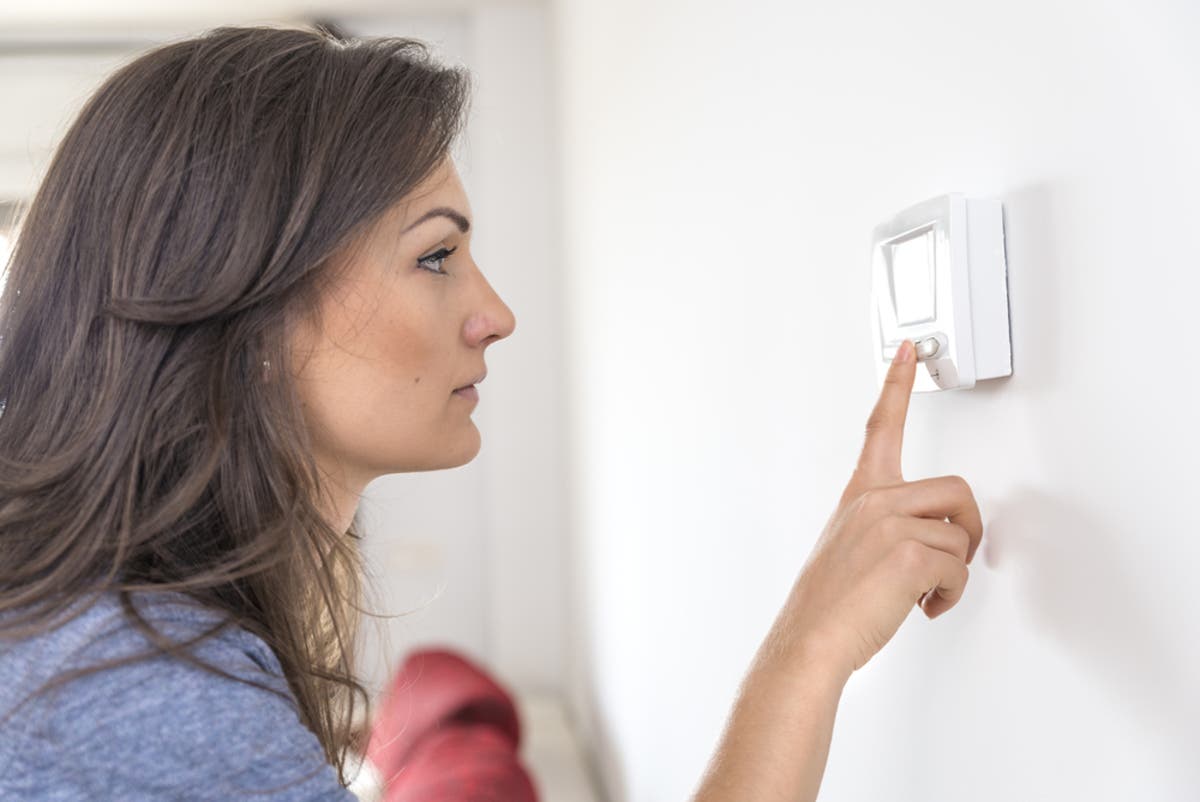
Winter is coming. Have you taken the right steps to ensure you’re not spending more than necessary to keep your home warm?
Most people have room for improvement when it comes to their house systems, and part of that involves pinpointing the most common ways that energy is being wasted in the home. You may be surprised by the impact of these 11 overlooked, energy-draining practices.
1. Letting Energy Escape Through Your Ducts
Your duct system distributes warm air from your heating system into the rooms across your home. This winter, make sure as much of that heating as possible arrives at its destination.
Find out what's happening in San Diegofor free with the latest updates from Patch.
You should carry out duct inspections to reduce heat loss. Ducts often lose the most energy at joints, and minor repairs make for an easy weekend project or a visit from a professional. The average system can lose 25% to 40% of its heating from duct leakage, so deal with this problem sooner rather than later.
2. Leaving Your Thermostat Turned Up
There’s nothing like coming home to a warm house, but leaving the thermostat up high all winter long is one sure-fire way to waste energy.
Find out what's happening in San Diegofor free with the latest updates from Patch.
While we have all heard stories about pipes freezing and bursting when someone is away on vacation, preventing this does not require keeping your heating high at all times — your pipes will be fine so long as the internal house temperature does not dip lower than 55 degrees. Take advantageable of your thermostat’s programmability. This winter, setting your thermostat to 68 degrees when you’re at home and 58 degrees when you’re out could cut up to 15% off your heating bill.
3. Leaving Drafty Windows As They Are
Conserving energy doesn’t necessarily mean forking out thousands of dollars for high-quality double- or triple-pane windows. Instead, experts suggest homeowners first address air leaks and insulation gaps. This includes securing windows with a thick piece of plastic, or sealing drafts with caulking. Doing so will prevent that warm air that you’re paying for from exiting the home.
4. Failing to Check For Other Drafts
You don’t have to be a HVAC or ventilation expert to check for drafts.
Pick a day in the next few weeks and make your house into as much of a vacuum as possible: shut all windows, doors, even fireplace flues. Light an incense stick or candle and hold it up to areas you suspect may be guilty of an air draft: around window and door frames, near ceiling joints, and by electrical outlets. You should see the draft blow the flame or the smoke in the direction the air is moving. Identifying these spots early will help you take preventative measures to seal the draft before winter.
5. Leaving Windows Dirty
This one isn’t as obvious as some of the others, but it’s very true: dirty windows prevent your home from receiving the full benefits of winter sunshine. Cleaning your windows will ensure your home gets as much natural warmth as possible — and that means less work for your heater.
6. Boiling a Full Kettle for One Cup of Tea
It’s the season for hot drinks, and something as simple as boiling an excess amount of water can waste energy. In fact, boiling a full, normal sized kettle four times a day costs approximately $58.68 every year. If you require only a mug’s worth of hot water, you’re wasting precious wattage and a couple of cents each time. Boil only as much water as you need, and you’ll save time and money.
7. Not Upgrading or Adding Insulation
Good insulation makes all the difference when it comes to saving energy.
A poorly insulated home loses heat from everywhere: attics, walls, and floors included. Using enough high-quality insulation has been found to reduce heating and cooling costs by 40%, and the cost will pay for itself within 5 years. The Department of Energy recommends insulating from the roof down to the foundation, and suggests certain R-value insulation depending on the part of your home you’re looking to improve.
8. Failing to Inspect Your HVAC System
Getting your furnace or HVAC system inspected is one of the top five winter preparation steps.
A system in need of maintenance will not run efficiently. A professional servicer will clean any dust and debris, check the fan belt, and ensure your heat pump or furnace is in an overall state of good health.
9. Ignoring a Dirty Filter
You can’t breathe as well when your head is wrapped up in a scarf, and the same is true of an HVAC filter clogged with dust and debris.
Filters in your HVAC should be changed approximately once a month, and this is especially true during summer and winter when your system is busiest. A dirty filter will have to work harder, which means a less efficient system and a higher operational cost. Be sure to change your filter before winter, as a clogged filter is one of the main reasons for an HVAC failure.
10. Not Reversing Your Ceiling Fan
Your ceiling fan isn’t only good for keeping you cool in the summer. Many fans have the option to be reversed, and the clockwise motion of the blades will push warm air from the ceiling down to where you can actually feel it. That could make all the difference in stopping you from turning up the thermostat a few extra degrees.
11. Using Dated Lightbulbs
The winter months bring shorter days, and that means using your lights more.
If you live in an old house, or simply haven’t made the switch, chances are you’re still using conventional incandescent bulbs. Switching to energy-efficient light bulbs such as halogen incandescent, compact fluorescent or LED bulbs is one of the simplest energy fixes to save a pretty penny. In fact, the Department of Energy estimates that replacing the five most-used light bulbs in your home with energy-efficient bulbs can save you as much as $75 each year. Look for bulbs with an ENERGY STAR stamp, and remember to shut off lights when you go to sleep or leave the room to save even more energy.
Winters can be long and chilly, but if you follow the tips above, you can prevent them from also being hard on your wallet.