Politics & Government
12 CA Emergencies Expire, But COVID Orders Remain
The governor will uphold a coronavirus emergency declared nearly two years ago, urging that the virus still poses a major threat.


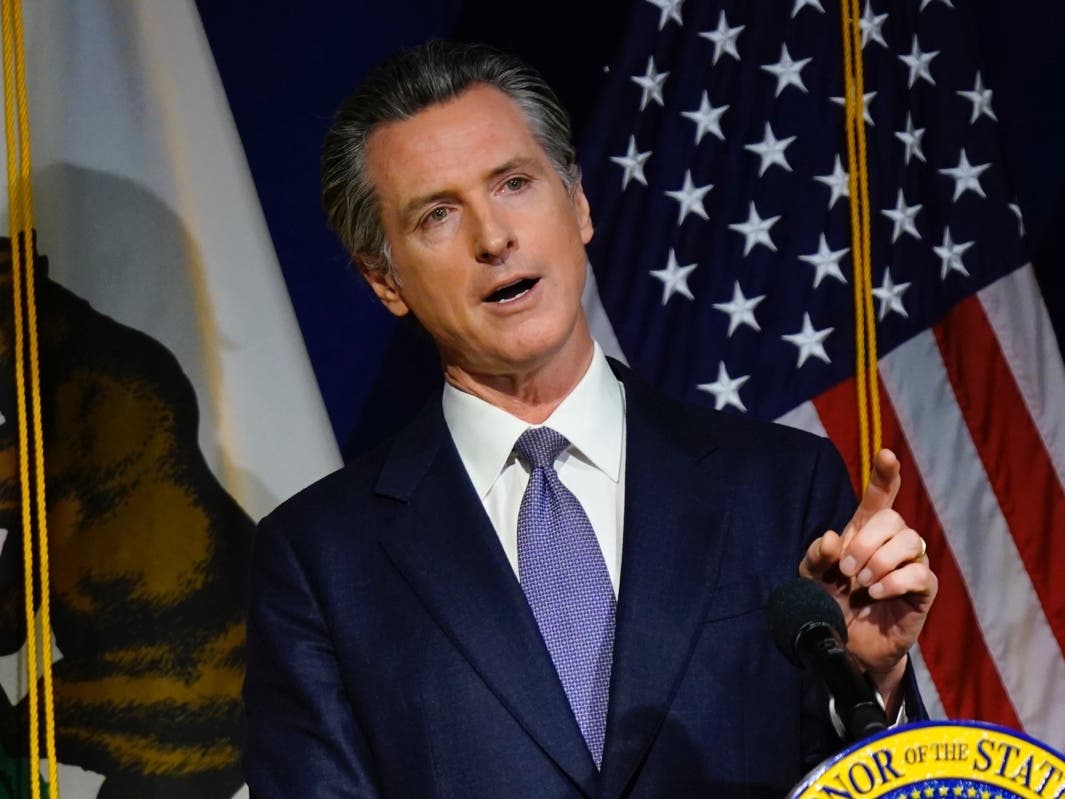
CALIFORNIA — A dozen emergency declarations cast by the last two Golden State governors officially expired on Friday, but Gov. Gavin Newsom kept his coronavirus order in place.
Newsom signed an order Friday, ending 12 state emergencies — from heat waves, wildfires, a massive oil spill and civil unrest following George Floyd's murder.
The Democratic governor did not offer a timeline for ending California's COVID-19 emergency. The order gives him sweeping authority to alter or halt laws when rising case numbers pose a threat to residents.
Find out what's happening in San Diegofor free with the latest updates from Patch.
“We’ll continue to focus on scaling back provisions while maintaining essential testing, vaccination and health care system supports that ensure California has the needed tools and flexibility to strategically adapt our response for what lies ahead,” Newsom said in a news release.
The lingering order — which was declared nearly two years ago by Newsom — includes high volume testing, vaccination programs and monitoring hospital capacity, according to his office.
Find out what's happening in San Diegofor free with the latest updates from Patch.
Some 15 percent of coronavirus related executive orders are still in effect in the state. On Friday, 19 coronavirus provisions were terminated.
After a devastating winter omicron surge, coronavirus cases have plummeted in California. On Friday, the state's testing positive rate was 4 percent, down from 8.8 percent on Feb. 8. Hospitalizations have also shrunk from more than 10,000 at the beginning of the month to 4,914 on Friday.
From delaying tax deadlines to issuing statewide stay-at-home orders that put people out of work — Newsom has used his governance to issue 561 orders since the beginning of the pandemic.
His use of the executive orders have sewn frustration among Republican officials and Californians suffering from pandemic fatigue or loss of work.
Newsom handily defeated a gubernatorial recall election last year, but his actions to keep coronavirus orders in place have continued to incense some.
"It's outrageous that the governor would recognize there is no longer a need for these executive orders but he nevertheless wants to cling to the extraordinary powers he has exercised for the last two years," said Assemblymember Kevin Kiley, a Republican who is running for Congress and last year tried to unseat Newsom in a recall election. "We don't need one person making decisions on behalf of 40 million" state residents.
The recall was fueled by critics of Newsom's handling of the pandemic, who believed his actions were overreach.
Newsom urged this week that the state cannot do without the orders that remain in place. For example, a state law requires doctors to review each health test result before it can be released to patients. Newsom suspended that law for COVID tests because “it would be literally impossible for us to have enough health care people to review 500,000 tests,” according to Ann Patterson, Newsom's top lawyer.,
“If we were to terminate the emergency tomorrow and terminate those provisions, it would really cripple the core functions that the state is continuing to provide here to respond to the pandemic as it exists in California today,” Patterson said.
There are only two ways to end an emergency declaration. The governor can end it, or the state Legislature can vote to end it for him. Republican state Sen. Melissa Melendez has tried for months to force a vote in the Legislature to end the emergency, but her colleagues have always voted it down.
However, the Senate will hold a hearing next month on whether to end the emergency, the first time Democrats will have discussed the matter publicly.
“I understand we are all tired of living life in an emergency, but ending the emergency must be done responsibly to ensure there are no unintended consequences so we can continue to meet the need of our state’s residents in an unpredictable future,” Senate President Pro Tempore Toni Atkins, a Democrat from San Diego, said when announcing the hearing earlier this month.
Most of these emergency declarations are declared and then quickly forgotten. After Friday's action, California has 48 active states of emergencies. The oldest dates to 2015 and was imposed by then-Gov. Jerry Brown in response to a tree-killing disease.
There were 82 state of emergency declarations in place when Newsom took office, Patterson said. She said he ordered his staff to do a routine evaluation of all emergency declarations to figure out when they could safely be lifted. In December 2019, Newsom signed an order ending 70 different state of emergency declarations.
While other states have ended their pandemic emergency declarations, Patterson said about half of the states still have declarations in place. She said it's not unusual for declarations to stay in effect for years.
“The emergency isn't over when the ground stopped shaking. It's not over when the fire is put out,” she said. “The effects of a disaster can continue for years.”
The Associated Press and Patch editor Kat Schuster contributed to this report.
Get more local news delivered straight to your inbox. Sign up for free Patch newsletters and alerts.