Neighbor News
5 Overlooked Spots That Could Fail Your Next San Diego Health Inspection
What health inspectors often notice beyond surface-level cleanliness in commercial kitchens


Health inspections are a regular part of operating a restaurant in San Diego County. While most owners and managers stay focused on visible cleanliness, inspectors are trained to look beyond what customers see.
According to commercial kitchen cleaning professionals who work throughout San Diego, many inspection issues stem from hidden areas where grease, carbon, and food residue quietly accumulate over time. These problem spots often go unnoticed during daily cleaning but can raise concerns during an inspection.
Here are five commonly overlooked areas that can create compliance issues if they are not properly maintained.
Find out what's happening in San Diegofor free with the latest updates from Patch.

Behind Cooking Ranges and Equipment Lines
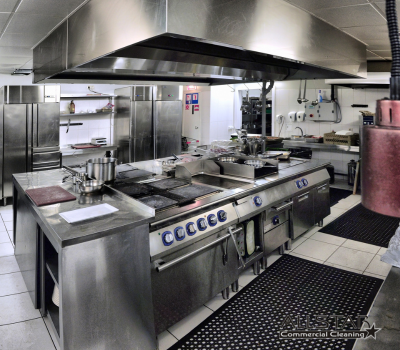
The space behind commercial ranges and cooking lines is one of the most frequently neglected areas in restaurant kitchens.
As food is prepared, grease vapors and carbon from burners settle on walls, gas lines, and floors behind equipment. Because ranges are heavy and difficult to move, this buildup can go unchecked for months.
Find out what's happening in San Diegofor free with the latest updates from Patch.
Health inspectors often look for grease accumulation in these areas as an indicator of whether equipment is being cleaned thoroughly and regularly. Excessive buildup may also raise fire safety concerns.
Inside Hood Vents and Exhaust Systems
Hood systems are designed to remove smoke, grease, and heat, but they require ongoing maintenance to function safely.
While filters are usually cleaned, grease often continues to accumulate deeper inside ductwork, vents, and fan housings. Inspectors may look for signs such as dripping grease, strong odors, or residue on nearby surfaces.
In San Diego, where fire prevention standards are closely enforced, poorly maintained exhaust systems can result in citations or follow-up inspections.
Under and Around Deep Fryers
Deep fryers are another common trouble spot during inspections.
Even when oil is changed regularly, grease can collect underneath fryers and along exterior panels. Inspectors frequently check these areas for pooled grease, carbon flakes, and food debris.
Because fryers combine heat, oil, and food residue, neglected buildup can signal both sanitation and fire safety risks.
Floor Drains Near Cooking Areas
Floor drains are easy to overlook but often receive close attention during inspections.
Grease, food particles, and standing water can collect in and around drains, especially near cooking and prep areas. Inspectors may check for odors, visible residue, or signs of pest activity.
Clean, well-maintained drains suggest consistent sanitation practices, while dirty drains may indicate broader cleaning issues.
Non-Food-Contact Surfaces on Equipment
Health inspections are not limited to surfaces that directly touch food.
Inspectors may also examine control knobs, handles, exterior panels, and equipment sides. These areas often collect grease from hands and airborne residue, forming a sticky film over time.
While these surfaces may seem minor, visible buildup can raise concerns about overall kitchen hygiene.
Why Hidden Areas Matter During Inspections
Health inspections are designed to assess whether a kitchen is being maintained in a way that protects public health.
When inspectors find excessive grease or carbon buildup in hidden areas, it can suggest gaps in cleaning routines, increased fire risk, or potential pest issues. Even minor violations can lead to re-inspections or required corrective actions.
For San Diego restaurants operating in a competitive market, inspection results can affect customer confidence, online reviews, and daily operations.
Staying Prepared Year-Round
Consistent cleaning practices that go beyond visible surfaces help restaurants stay prepared for inspections at any time.
Industry professionals note that kitchens with routine deep cleaning schedules tend to perform better during inspections and experience fewer surprises. Addressing hidden buildup early can also help extend the life of expensive kitchen equipment and reduce safety risks.
In San Diego County, where health and safety standards are high, attention to behind-the-scenes details plays a critical role in maintaining compliance and protecting both staff and customers.
Learn More About Commercial Kitchen Cleaning in San Diego
Restaurant owners and managers who want to reduce inspection risks often work with experienced commercial cleaning providers to address grease and carbon buildup in hard-to-reach areas. More information about professional commercial kitchen, oven, and deep fryer cleaning services in San Diego County is available at Allstar Commercial Cleaning.
To learn more or request a consultation, visit ascc.biz or contact their team at (858) 715-0500