Business & Tech
CEO Talks Business In San Diego, Opportunity Zone Investment
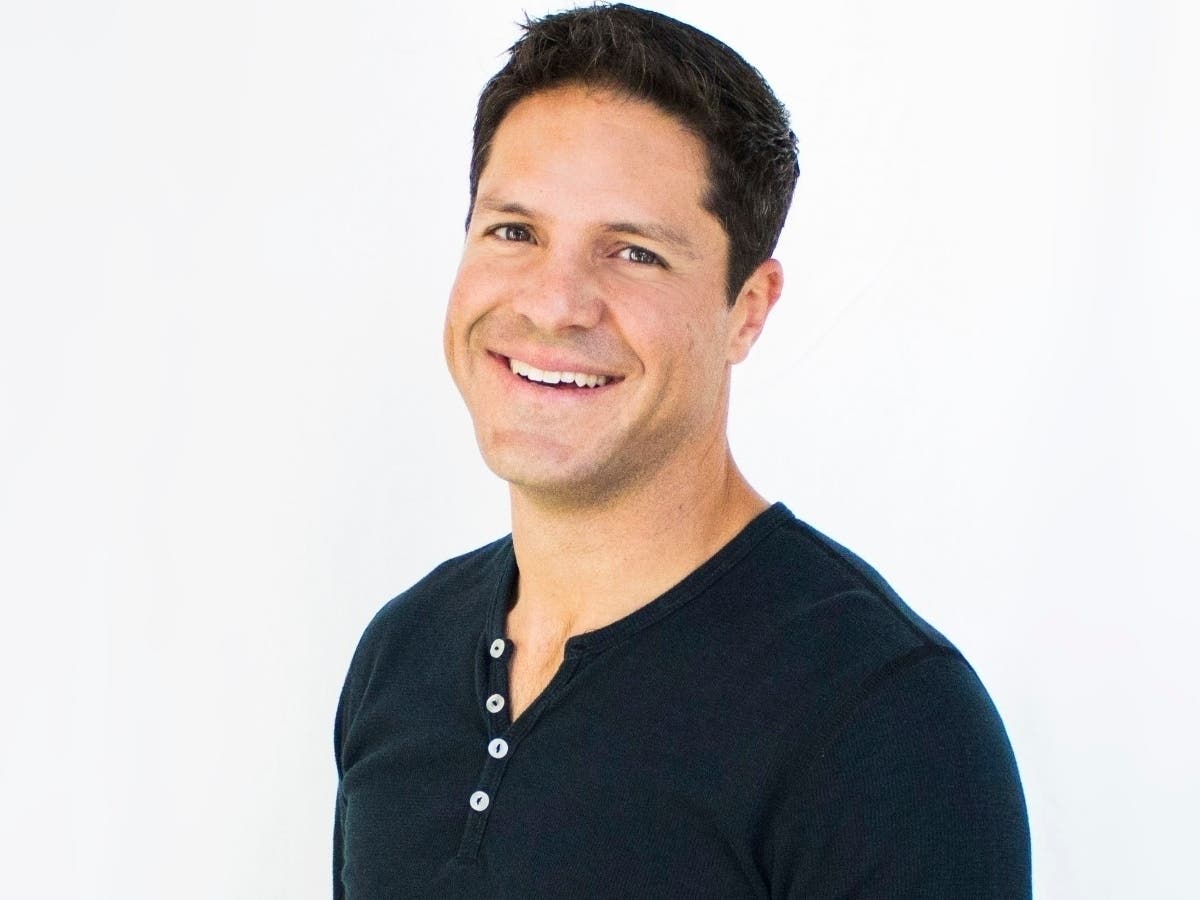
Reid Carr, CEO and co-founder of marketing firm Red Door Interactive, said the firm is moving to Sherman Heights, an Opportunity Zone.


SAN DIEGO — Red Door Interactive, a national marketing firm based in San Diego, recently announced its move from East Village to Sherman Heights. The company has purchased three buildings in the neighborhood, a designated "Opportunity Zone," for its new headquarters.
Read more: San Diego Marketing Agency Announces Move To Sherman Heights
Reid Carr, Red Door Interactive's CEO and co-founder, talked with Patch about the firm's move, why the business leader is passionate about San Diego, and why other companies should invest in Opportunity Zones like Sherman Heights.
Find out what's happening in San Diegofor free with the latest updates from Patch.
Patch: How did Red Door Interactive's presence shape East Village to the neighborhood that it is today?
Reid Carr: Eighteen years ago, Bob Sinclair welcomed us to the East Village of downtown San Diego (those who have been in the neighborhood for long enough likely know who he is, what he meant to this area, and miss seeing him). When we stepped into our first office at 345 15th St., we immediately grasped the vision for the neighborhood. There was something wildly different about this area compared to the rest of downtown or other parts of the city. We embraced the idea of future potential built upon and respecting a beautiful history. We borrowed that idea and infused it into our own story as we worked to attract clients and employees.
Find out what's happening in San Diegofor free with the latest updates from Patch.
Taking the responsibility to turn the vision into a reality, since we saw it as a part of our own story, we immersed ourselves in the neighborhood of cool warehouses and brick buildings. We met the neighbors and got involved in the neighborhood associations like the East Village Association, the Downtown Partnership, CCDC, and Clean and Safe.
We grew our business in the shadow of an emerging Petco Park, then witnessed the redevelopment happen around our three different locations in nearly every corner of East Village over 18 years. Throughout our tenure, we have always been a champion for East Village, and we are proud of the decision we made in 2002, as there are now more than 700 businesses in this ever-evolving neighborhood. We like to think we played a role in what makes this neighborhood special, which is innovation, diversity, and talent.
Patch: If Red Door Interactive is thriving in East Village, why are you moving?
Carr: We love East Village and feel great about where East Village is in its evolution – it feels solid and developed. The impetus for us making this move in a practical sense is that our lease is up, so it was good timing for us to evaluate our future. What is right for our workforce over the next 20 years of our business? Sherman Heights is in a great spot for people with varying interests, and it gives us a place to make our own within a neighborhood.
Patch: How would you compare the East Village two decades ago to Sherman Heights today?
Carr: Both have history, but each has its own, different texture. East Village was admittedly a bit grittier than Sherman Heights is right now. East Village 18 years ago felt like it was the edge of downtown, if not considered outside of the downtown core, and felt dependent on downtown. Sherman Heights today feels like it can become an anchor in the center of a few communities’ independent, contributing personalities. Sherman Heights touches East Village, Barrio Logan, and Golden Hill as well as reaches into iconic destinations in San Diego, such as Balboa Park, Coronado, and the San Diego Bay.
Patch: Why did Sherman Heights appeal to you? What are some of your favorite characteristics of the neighborhood?
Carr: There are so many wonderful places in San Diego, and we considered many of them. I have the long-held belief that San Diego County offers something for everyone. When I walked into this particular location in Sherman Heights, I knew we had found our home. We aren’t a high-rise kind of company, but yet the views are amazing. We are also not an office park crowd but want to be central to a variety of places where our people can live and play. Then, as creators, we need inspiration that comes from where we work – this neighborhood has the kind of personality that can feed our spirits.
Patch: Where do you see Sherman Heights 20 years from now?
Carr: I hope to see that the neighborhood, inspired by its history, will draw from the nearby areas that surround it to create an eclectic, inclusive brand for Sherman Heights to make it a destination.
Transportation plans and technology, such as self-driving vehicles and more diverse modes, will reshape Sherman Heights just as it will many other communities around the country. The retail and commercial corridor on Market specifically will become a connector and convener, rather than a pass-through, for those in and around the neighborhood. And, for the people who live and work in the neighborhood, they can conveniently launch from Sherman Heights to a variety of places in the surrounding areas in any direction to eat, drink, and shop.
Patch: Why should other companies invest in Opportunity Zones like Sherman Heights?
Carr: Of course, investing in a designated “Opportunity Zone” has tax benefits. But, beyond that, companies should see Opportunity Zones as places with potential only if investors and the community work together to satisfy the growing needs of the region.
Get more local news delivered straight to your inbox. Sign up for free Patch newsletters and alerts.