Neighbor News
Hairline Design: The Secret to Natural, Long-Lasting Hair Restoration Results
Why the artistry behind your forehead transition is the most important factor in a successful hair transplant.

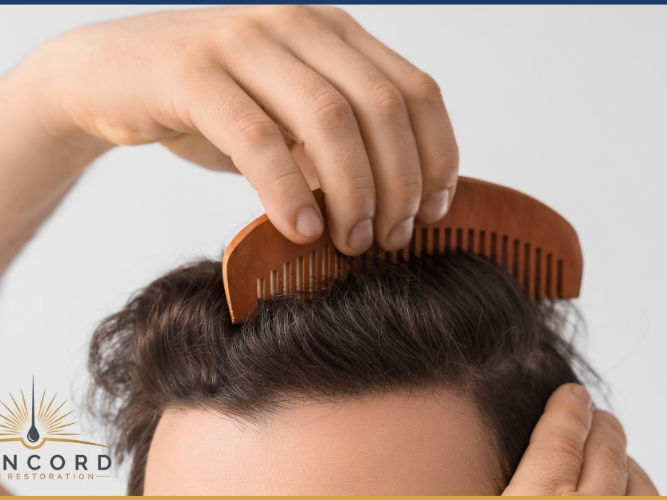
When it comes to hair restoration, most people focus on the technicalities: "How many grafts will I need?" or "Which surgical technique is best?"
While those are important questions, there is one critical factor that often determines whether a transplant looks like a success or a secret: hairline design.
A well-planned hairline does more than just replace lost hair. It frames your face, harmonizes with your features, and provides the foundation for daily confidence. Here is a look at why this artistic step is the most vital part of the restoration journey.
Find out what's happening in San Diegofor free with the latest updates from Patch.
.png)
What Does "Hairline Design" Actually Mean?
Hairline design is the artistic process of determining where your new hair should sit, how it should curve, and how it should transition into your existing hair.
In nature, a hairline is rarely a straight, solid line. It is soft, slightly irregular, and features subtle peaks and valleys. A professional design considers:
Find out what's happening in San Diegofor free with the latest updates from Patch.
- Facial Proportions: Ensuring the forehead height balances with your eyes, nose, and chin.
- Natural Irregularity: Mimicking the "micro and macro" zig-zags found in non-transplanted hair.
- Future Aging: Designing a look that looks great at 30, but won’t look "out of place" when you are 60.
Why Design Matters More Than Density
The hairline is the visual border between your face and your scalp. Even if a surgeon transplants thousands of grafts, the result can feel "off" if the placement is too low, too straight, or doesn't follow the natural direction of hair growth.
A poorly designed hairline can lead to a "pluggy" appearance or a forehead that looks unnaturally small. Conversely, a carefully curated hairline blends seamlessly, making it nearly impossible for others to tell you’ve had a procedure. It’s about creating a result that looks natural, not just "full."
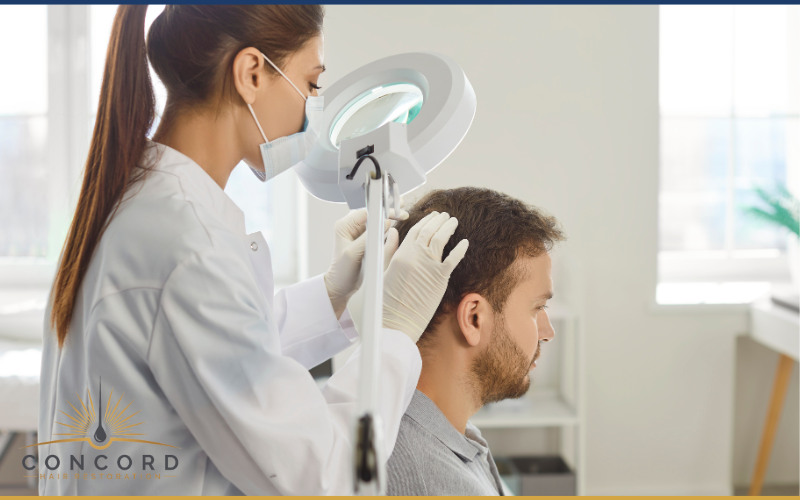
The Planning Process: Art Meets Science
Specialists begin the planning process long before the procedure starts. During a consultation, several factors are evaluated to create a custom blueprint:
- Bone Structure: Using the "Rule of Thirds" to find the ideal aesthetic starting point.
- Donor Supply: Balancing the desired density with the amount of hair available for transplant.
- Hair Angulation: Ensuring each graft is placed at the specific angle (often 15 to 30 degrees) required to mimic natural growth.
- Temple Integration: Making sure the hairline connects logically to the hair on the sides of the head.
"A successful hairline is one that no one notices. It should simply look like it has always been there."
Hair and Identity: Beyond the Procedure
Understanding the impact of hair restoration often goes hand-in-hand with broader conversations about health and identity. Many people find that reclaiming their hairline is a deeply personal journey, similar to how communities come together during movements like No Shave November.
Whether it's raising awareness for men's health or sharing personal stories of transformation, these efforts highlight how much our hair is tied to our sense of self. You can learn more about the history and impact of these movements in this
.png)
Take the Next Step Toward Confidence
If you are considering hair restoration, remember that the "plan" is just as important as the "procedure."
Choosing a specialist who prioritizes individualized hairline design is the best way to ensure your results age gracefully and look authentic.
Ready to see how a custom hairline design can transform your look?
Take the first step toward a more confident you with a personalized plan that fits your face, your style, and your future.