Neighbor News
The Psychology of Risk: Why People Still Chase Deadly Adventures
Humans have always been drawn to danger. From scaling the tallest peaks to diving into hidden caves, risk often feels irresistible.
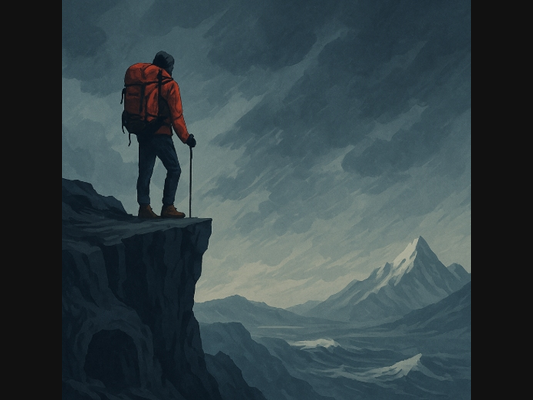
Humans have always been drawn to danger. From scaling the tallest peaks to diving into hidden caves, risk often feels irresistible. But why do people still chase adventures that could end in tragedy?
The Thrill-Seeking Mindset
Psychologists say that high-risk activities trigger the brain’s reward system. Adrenaline, dopamine, and endorphins create an intense rush that some people find addictive. For thrill-seekers, the possibility of danger heightens the experience, making it feel more meaningful than everyday life.
The Allure of Conquering Nature
Adventure is also about control. Facing wild environments gives people a sense of mastery over forces bigger than themselves. Whether it’s summiting a mountain or exploring the depths of a cave, these moments can feel like victories against nature itself.
Find out what's happening in San Diegofor free with the latest updates from Patch.
When the Adventure Turns Deadly
But the price of chasing these experiences can be devastating. Caving accidents, climbing disasters, and lost expeditions show how quickly things can go wrong. One particularly haunting case involved a man trapped in Nutty Putty Cave whose story underscores the risks of pushing too far.
Image Caption : How John was stuck inside upside down in the dead-end in Nutty Putty Cave
Find out what's happening in San Diegofor free with the latest updates from Patch.
Why People Keep Going Back
Even after tragedies, others follow. Experts say this persistence comes from a deep psychological drive — the desire for achievement, legacy, and self-discovery. The stories of survival and triumph often overshadow the dangers, encouraging more explorers to test their limits.
Lessons for Everyday Life
Most people won’t climb Everest or crawl through tight cave passages. Yet, the psychology of risk explains why we still take smaller chances — starting a new business, traveling to unknown places, or making bold life decisions. In a way, risk is part of what makes us human.
Conclusion
Deadly adventures remind us that risk has two sides — thrill and tragedy. Understanding the psychology behind it can help us respect both the courage of adventurers and the cautionary lessons their stories leave behind.