Community Corner
San Diego Zoo Helps Endangered Jamaican Iguana
A program protects the critically endangered species from predators that caused its near extinction.


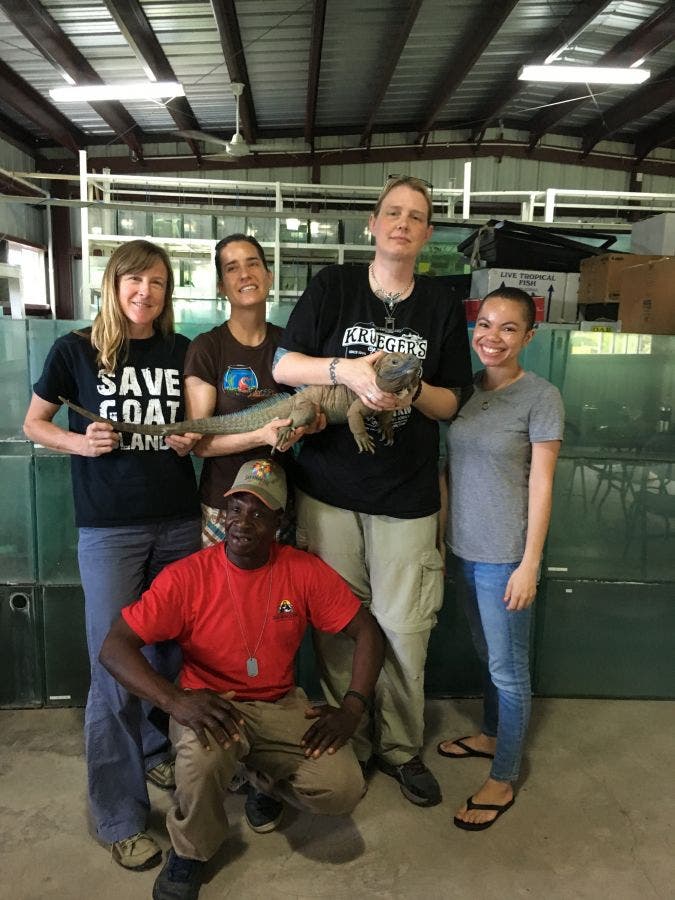

SAN DIEGO, CA — Thanks in part to the efforts of San Diego Zoo Global and the Fort Worth Zoo, a headstarting program in Jamaica that involves collecting the hatchlings of critically endangered Jaimaican iguanas from the wild as they emerge from their nests, then caring for them until they are large enough to defend themselves from predators, has proved to be successful, officials said this week.
Earlier this year, Tandora Grant, a scientist at the San Diego Zoo Institute for Conservation Research, co-led health checks of Jamaican iguanas that were headstarted in managed care at the Hope Zoo in Kingston, Jamaica, according to a news release from San Diego Zoo Global.
The health checks determined that 37 of the 232 Jamaican iguanas at the Hope Zoo were healthy and large enough to be released back into their native habitat in the Hellshire Hills, on the south central coast of the island. This year’s health screen and release was assisted by returning volunteers from the Audubon Zoo.
Find out what's happening in San Diegofor free with the latest updates from Patch.
The release, which took place in March 2016 — 20 years after the first release— marks a milestone for the Jamaican Iguana Recovery Group, as the number of animals returned to their native habitat has passed the benchmark of 300 and now totals 315.
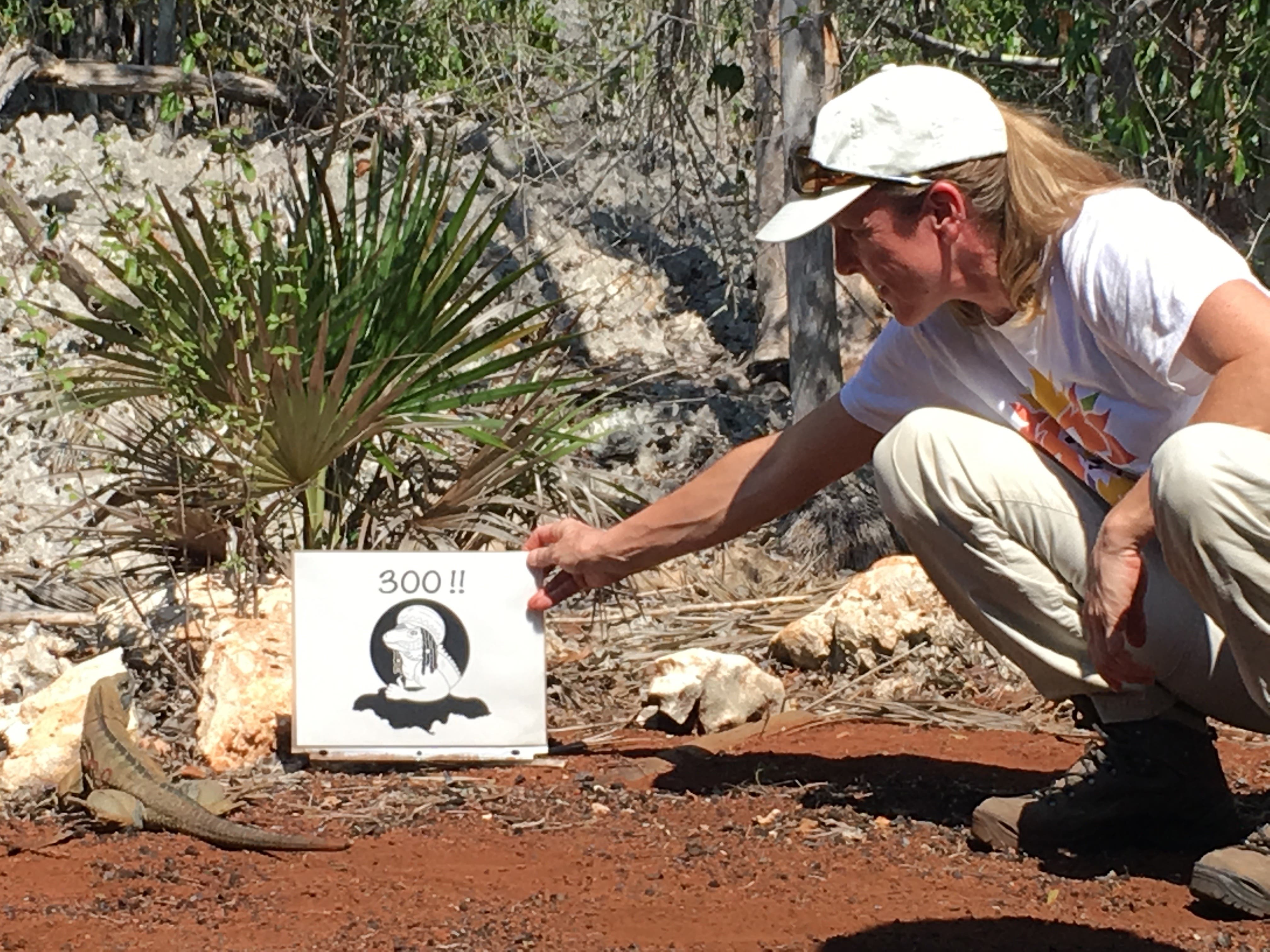
The Recovery Group is a coalition of local and international collaborators, currently led by the Jamaican government’s National Environment and Planning Agency, and includes the field component leads from the University of the West Indies.
Find out what's happening in San Diegofor free with the latest updates from Patch.
The numbers are proof that the Jamaican iguana population is on the rise after experiencing a drastic decline in the past century, due to habitat destruction and predation by free-ranging non-native cats, dogs, pigs and particularly mongooses. The mongooses and cats attack nearly all hatchling and juvenile iguanas, and there are ongoing efforts to trap these predators to protect the now-recovering Jamaican iguana population.
Typically, the iguanas are released from the headstarting program when they are between 5 and 8 years old.
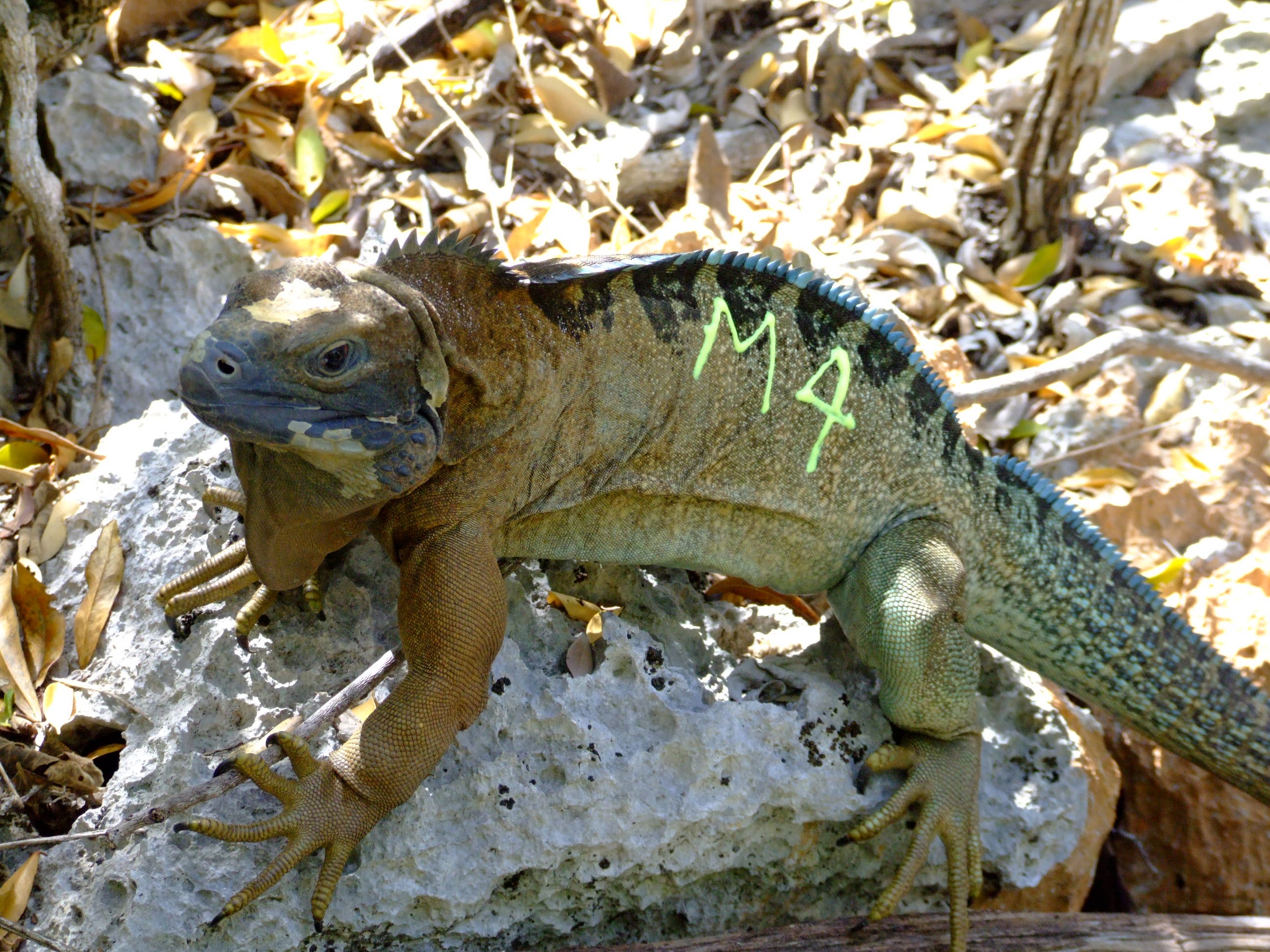
The population increase is measured by the number of annual hatchlings counted. An eightfold increase in the number of nesting females has been observed, compared to the first survey of the species in 1991.
Before the Jamaican iguana’s rediscovery in 1990, it was thought to have been extinct, since the last confirmed observation had been in the mid-1940s.
An off-island breeding population is cooperatively managed by members of the Association of Zoos and Aquariums’ Species Survival Plan program, as an assurance against a catastrophe in the iguana’s home.
Member zoos contribute essential funds, staff hours and expertise for the recovery program, as well as raising awareness for the iguana, its unique and threatened habitat, and the role it plays in the health of the forest. AZA zoos and wildlife conservation organizations have directly contributed more than $1 million toward the recovery efforts in Jamaica since the iguana’s rediscovery.

In San Diego, the first hatching of a Jamaican iguana at the San Diego Zoo Institute for Conservation Research occurred Aug. 30, 2013 at the Kenneth and Anne Griffin Reptile Conservation Center, an off-display breeding facility at the San Diego Zoo Safari Park.
The female, named Fay, is a second-generation captive-bred animal. Her parents hatched in the first successful breeding of the species at the Indianapolis Zoo, in 2006.
Images via San Diego Zoo Global
Get more local news delivered straight to your inbox. Sign up for free Patch newsletters and alerts.