Community Corner
San Diego Zoo Researchers Work On Bird Species Recovery
San Diego Zoo researchers in Hawaii released seven 'Alala, a critically endangered species also known as the Hawaiian crow, into the wild.


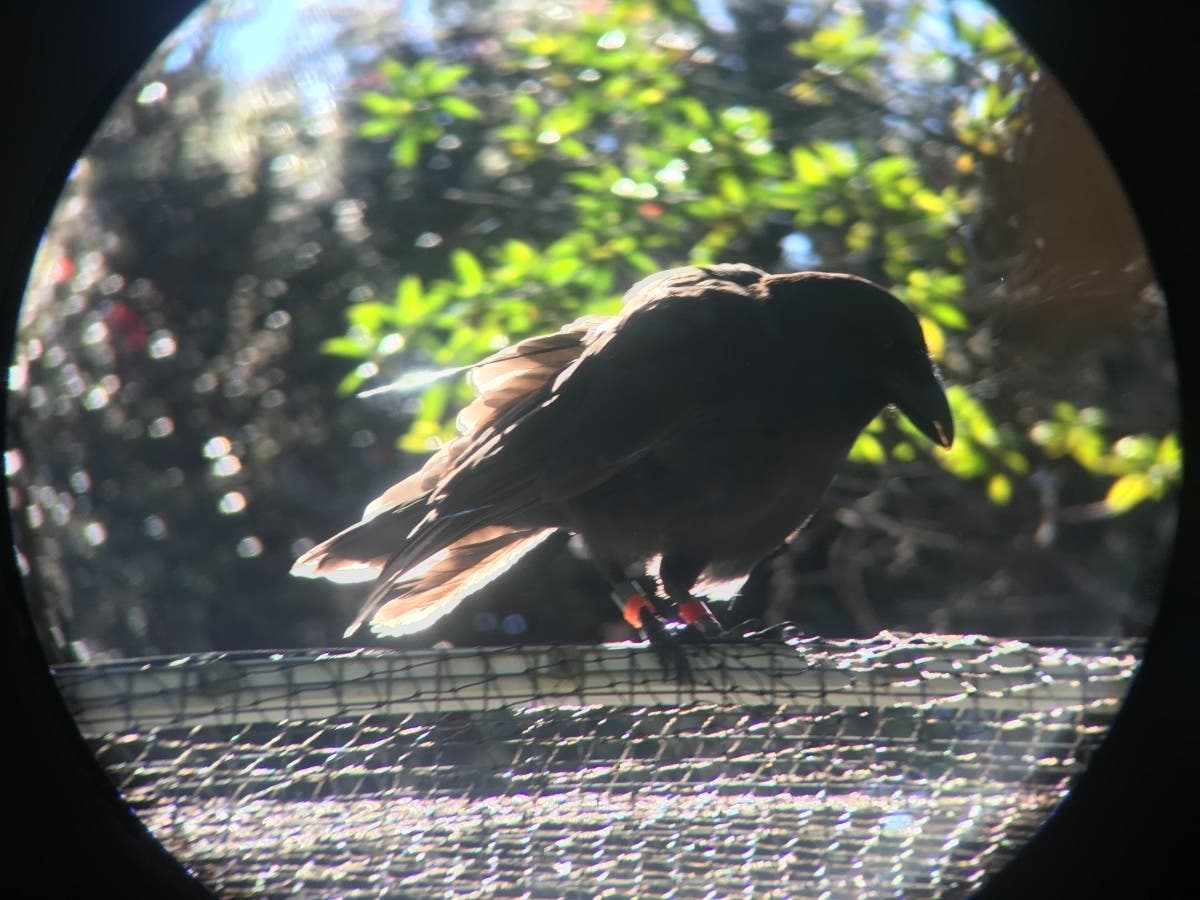
SAN DIEGO — The San Diego Zoo announced this week that its researchers in Hawaii released seven 'Alala, a critically endangered species also known as the Hawaiian crow, into the wild earlier this month.
Researchers at the zoo's Hawaii Endangered Bird Conservation Program and their partners with the Hawaii Department of Land and Natural Resources' Division of Forestry and Wildlife and the U.S. Fish and Wildlife Service released the birds into the Pu'u Maka'ala Natural Area Reserve on Mauna Loa.
The three entities launched a partnership two years ago known as the 'Alala Project to reintroduce the species back into the wild.
Find out what's happening in San Diegofor free with the latest updates from Patch.
The team released five males and two females into the reserve to join other groups of 'Alala already living in the area. Roughly 20 birds now live in the reserve's forests despite the species once being extinct in the wild.
"Recovering threatened and endangered species is bigger than any one community or agency: It takes everyone working together," said Michelle Bogardus, a geographic team leader in Hawaii with the Fish and Wildlife Service.
Find out what's happening in San Diegofor free with the latest updates from Patch.
During the reintroduction process, the group monitors the birds' behaviors and movements regularly. The research and conservation group documented multiple pairs of 'Alala showing breeding and courtship behaviors, including birds that were first released in 2017.
The 'Alala Project members expect the species' recovery to take many more years, but say they are already seeing positive signs.
"'Alala form complex bonds as breeding pairs and must work together to build their nests," said Alison Greggor, a research associate with the Hawaii Endangered Bird Conservation Program.
"Having released 'Alala engage in the full suite of breeding and nest-building behaviors in their first season as adults represents a huge step forward for the program, and their recovery as a species."
The birds will continue to be monitored and tracked to observe their foraging, social interactions, spatial range and breeding attempts, as well as the overall success of the program. Meanwhile, the project is planning for the future.
"It's a privilege to be part of the effort helping 'Alala return to the forest once again, which is beginning to reveal what an intact forest ecosystem was once like here in Hawaii," said Martha Kawasaki, senior research coordinator of the Hawaii Endangered Bird Conservation Program
By City News Service; Kristina Houck/Patch contributed to this report.
Get more local news delivered straight to your inbox. Sign up for free Patch newsletters and alerts.