Neighbor News
Why Routine Vet Visits Are Essential for Your Pet’s Long-Term Health
As a pet parent, you want nothing more than to give your furry friend a long, happy, and healthy life.
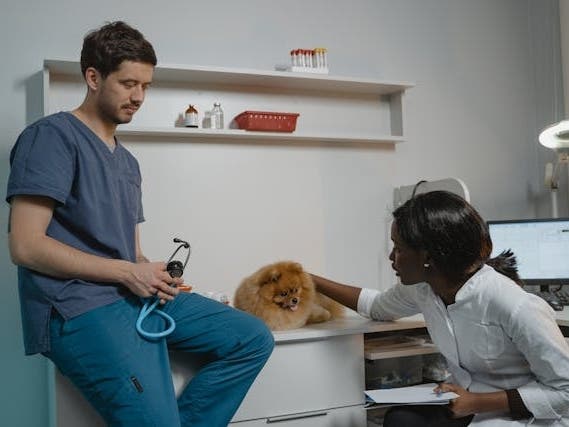
As a pet parent, you want nothing more than to give your furry friend a long, happy, and healthy life. While daily walks, proper nutrition, and love are all important, routine veterinary visits are one of the most critical components of your pet’s well-being. These regular check-ups are not just for when your pet is visibly sick—they are essential for prevention, early detection, and peace of mind.
If you’ve ever searched for a veterinary near me, it likely means you're ready to take a proactive step in your pet’s health journey. Here’s why those annual or biannual vet visits matter more than you might think.
1. Early Detection of Illnesses
One of the greatest advantages of routine vet visits is early diagnosis. Just like in humans, many illnesses in pets—like kidney disease, diabetes, and cancer—don’t show obvious symptoms right away. A trained veterinarian can identify subtle signs and run diagnostic tests to catch issues before they become serious or life-threatening.
Why this matters:
Find out what's happening in San Diegofor free with the latest updates from Patch.
- Early treatment is often more effective and less expensive.
- Conditions detected in the early stages often have better outcomes.
- Pets are experts at hiding pain; vets know how to detect what you can’t.
2. Preventative Care Saves Lives (and Money)
Veterinarians offer preventative services during routine check-ups that are essential for your pet’s long-term health. These include:
- Vaccinations
- Parasite control (fleas, ticks, heartworms)
- Dental check-ups
- Nutrition counseling
Spending a small amount on preventative care now can prevent expensive emergency visits later. Prevention is not only more affordable but also far less stressful—for both you and your pet.
Find out what's happening in San Diegofor free with the latest updates from Patch.
3. Monitoring Your Pet’s Weight and Diet
Obesity is one of the most common health issues in domestic animals, especially cats and dogs. Extra weight can lead to joint issues, diabetes, and heart disease. During routine visits, your vet will monitor your pet’s weight and body condition score (BCS) and recommend dietary changes if needed.
They can also tailor nutrition advice based on your pet’s:
- Breed
- Age
- Activity level
- Medical history
Routine visits keep your pet's diet on track for a healthier, longer life.
4. Dental Health Is Often Overlooked
Many pet owners underestimate the importance of oral health. Plaque, tartar, and gum disease can affect not only your pet's teeth but also their heart, liver, and kidneys if bacteria enter the bloodstream.
During a routine vet check-up, your veterinarian will:
- Examine your pet’s teeth and gums
- Recommend dental cleanings
- Show you how to maintain oral hygiene at home
Dental problems are common but easily preventable with the right guidance.
5. Behavioral Assessments
Is your dog suddenly aggressive or your cat hiding more than usual? Behavior changes can indicate deeper health issues. Vets can rule out medical causes for behavioral changes and refer you to trainers or behaviorists if necessary.
Routine visits give you the opportunity to:
- Discuss behavioral concerns
- Get advice on training
- Ensure there are no underlying physical issues
6. Lifespan Monitoring and Senior Pet Care
As pets age, their health needs evolve. What’s appropriate for a 2-year-old dog isn’t the same for a 12-year-old cat. Routine vet visits allow for:
- Adjustments in diet
- Screenings for age-related diseases (like arthritis or cognitive decline)
- Pain management and comfort solutions
If you’ve been searching online for veterinary near me, especially for an aging pet, now is the time to schedule that exam.
7. Building a Medical History
Just like humans, pets benefit from having a consistent medical history. Regular visits mean your vet will understand your pet’s unique baseline:
- Normal heart rate
- Weight trends
- Typical behavior patterns
Having this record helps in emergencies, makes diagnosis faster, and results in more accurate treatment.
8. Strengthening the Pet-Vet Relationship
Routine visits make the vet clinic a familiar and safe place for your pet. This reduces anxiety during emergencies or procedures. Your pet will learn to trust the veterinary team, and you’ll feel more confident discussing your concerns.
Final Thoughts
Taking your pet to the vet regularly might seem like a chore—but it’s one of the best gifts you can give them. Routine visits are not just about preventing illness; they’re about supporting vitality, happiness, and a longer life.
If you’re unsure where to start, a quick search for veterinary near me will lead you to trusted local clinics ready to care for your pet like family. Schedule that appointment today—it’s an investment in your pet’s future.