Politics & Government
San Carlos Embracing 'Coastal Cleanup'
City called out for one of Bay Area's worst "trash hot spots," but gets high marks for cleanup efforts.
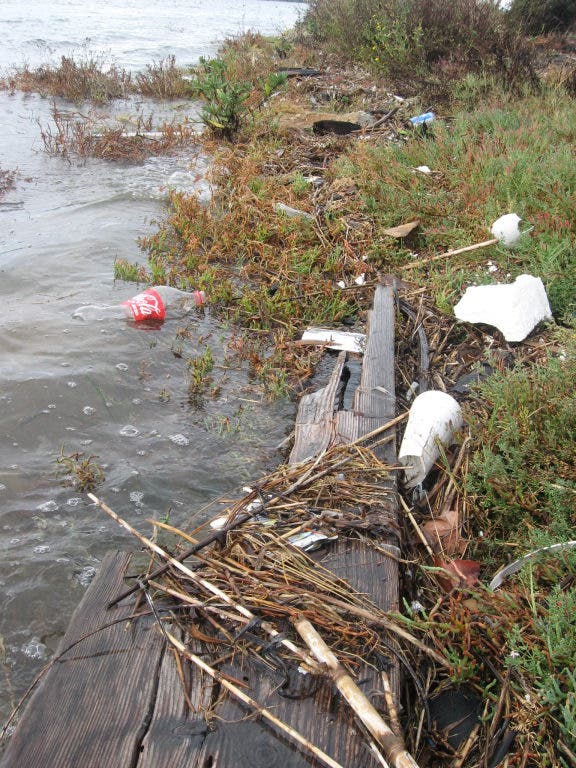

An environmental advocacy group that earlier this week called out San Carlos for feeding the San Francisco Bay with one of the Bay Area’s filthiest waterways also gave the city high marks for its efforts to clean up its mess.
Oakland-based “Save the Bay,” which each year names the Bay Area’s Top 5 “trash hot spots,” listed San Carlos’ Pulgas Creek among its worst offenders.
The group’s sixth annual Top 5 list was announced in advance of today’s 27th Annual California Coastal Cleanup Day. San Carlos is participating in the effort, holding its own .
Find out what's happening in San Carlosfor free with the latest updates from Patch.
“We think they’ve stepped up,” Save the Bay spokeswoman Amy Ricard told Patch of San Carlos.
“While we’re highlighting that Pulgas Creek is one of these trash hot spots, we’re also trying to spread the message that San Carlos has identified this problem and now is taking steps to eradicate it.”
Find out what's happening in San Carlosfor free with the latest updates from Patch.
Ricard credited San Carlos officials with considering bans on plastic bags and Styrofoam, which she said contributes to the trash that damages delicate ecosystems and potentially imperils public health.
The San Mateo County Board of Supervisors has already encouraged all of its cities to impose such bans.
“There’s a lot of really good work that’s going on in San Mateo County and in San Carlos in particular, so that’s why we wanted to (highlight) this hot spot, but also show that San Carlos is taking these steps to clean this hot spot up,” Ricard said.
“We’ll track it over time and see if that’s working.”
San Carlos this weekend is encouraging property owners who live alongside Pulgas, Cordilleras and Brittan Creeks, offering free pickup for trash collected from the polluted waterways on Monday morning. Property owners need to call (650) 802-4140 to be placed on the free pickup list. Messages left over the weekend on that number requesting free pickup will be honored. All trash must be placed curbside by 8 a.m. on Monday.
Bay Area cities are required to show that they are taking steps to eradicate trash from their drainage system as part of the state’s new permitting process, Ricard said, noting that it wasn’t until last year that garbage was classified as a pollutant, joining a list of environmental no-no’s that includes toxic chemicals, PCB’s, and pesticides.
“People just didn’t think it was a pollutant that was actually threatening the bay,” Ricard said.
Ricard said the plastic trash items such a fast-food containers, straws and plastic bags break down into small particles that fish and birds often mistake for food, and that they ultimately die of malnutrition.
“It smothers sensitive wetlands habitat across our shorelines, poisons water quality, endangers” coastal wildlife, Ricard said.
“We’ve all seen the photos of the birds that are caught in the plastic bags or the six-pack rings, so it’s really a threat to wildlife, but it also blights our recreational areas. It really degrades our quality of life.”
She acknowledged that her group doesn’t offer independently verifiable evidence that the release of toxic plastic particles into the bay poses an imminent public health risk, but she said evidence exists that such pollutants imperil the long term health of marine life that sooner or later will end up on your dinner plate.
“What happens to our bay is what happens to our oceans as well, right, so if fish are being exposed to these toxins or even eating plastic and then we eat that fish, then we are getting those toxins into our bodies too, and those things tend to multiply as they move throughout the food chain.”
Ricard said that the coastal cleanups serve a symbolic purpose of raising awareness of protecting coastal environments.
“What we’re really talking about is the health of the bay,” Ricard said. “(Plastic trash) tends to smother these sensitive habitats that we find along the shoreline and it’s really a threat to our wildlife. The bay is a thriving ecosystem that’s integral to our quality of life and our economy here in the bay area.”
