Health & Fitness
OC Gets Year's First Human Case of West Nile Virus
A 51-year-old man is recovering from a West Nile infection, the first confirmed human case in the county as mosquito season ramps up.


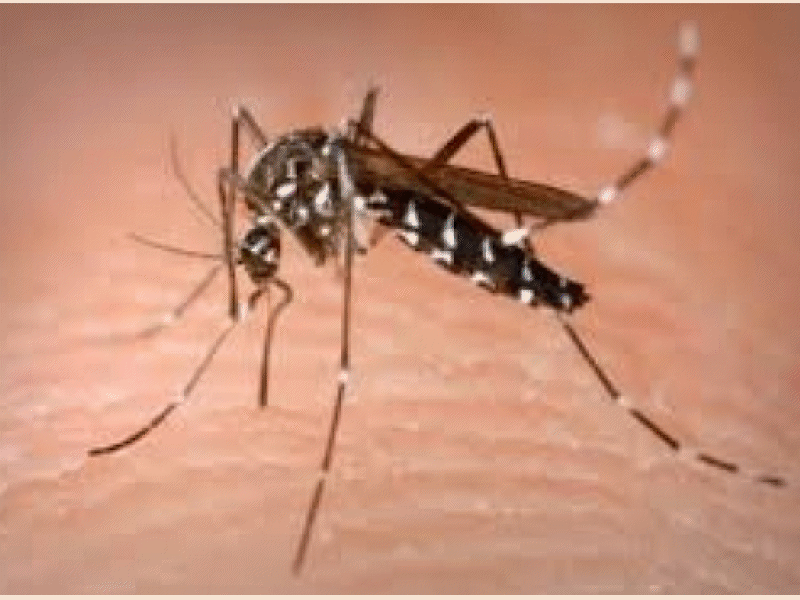
Orange County health officials announced today the first human case of West Nile virus in the county this year, but the patient has fully recovered.
According to the Orange County Health Care Agency, the 51-year-old man -- a resident of Orange -- began experiencing symptoms during the third week of July. Although he has recovered, health officials confirmed this week he had been infected with West Nile virus.
The man is the 19th human case of West Nile virus in the state this year, county health officials said.
Find out what's happening in San Juan Capistranofor free with the latest updates from Patch.
In 2014, there were 280 reported human cases of West Nile virus in Orange County, and nine deaths related to the virus.
“West Nile virus is endemic in Orange County, recurring every year during the summer months and continuing into the fall,” county health officer Dr. Eric G. Handler said. “The best way to avoid West Nile virus infection is to take precautionary measures to avoid mosquito bites.”
Find out what's happening in San Juan Capistranofor free with the latest updates from Patch.
One in five people infected with the virus will exhibit symptoms that usually appear five to 15 days after exposure and can include fever, headache, body aches, nausea or a skin rash, according to health officials.
One in 150 people infected with the virus will require hospitalization. Severe symptoms can include high fever, muscle weakness, neck stiffness, coma, paralysis and possibly death.
Residents are urged to eliminate mosquito breeding areas, such as water left standing for more than one week, such as in pools, fountains, flower pots, pet dishes or other places were it can collect, like clogged drain gutters, rain gutters, discarded tires or buckets.
Tips for protecting your family:
- Dispose of unnecessary containers that hold water. Containers you wish to save turn upside down or put holes in the bottom so all water drains out.
- Lift up flowerpots and dump the water from the dish underneath every week.
- Stock fish or add mosquito larvicide to ornamental ponds.
- Change water in bird baths, fountains, and animal troughs weekly.
- Screen vents to septic and other water tanks.
- Store large boats so they drain and small boats upside down. If covered, keep the tarp tight so water does not pool on top of the tarp.
- Do not dump leaves or grass clippings into a catch basin or streams.
- Do not allow water to collect on sagging tarps or awnings.
- Do not allow trashcan lids to fill with water.
- Check downspouts that are able to hold enough water to allow mosquito larvae to mature.
City News Service; Photo: Shutterstock
Get more local news delivered straight to your inbox. Sign up for free Patch newsletters and alerts.