Schools
Open Letter to the Capistrano Board of Trustees
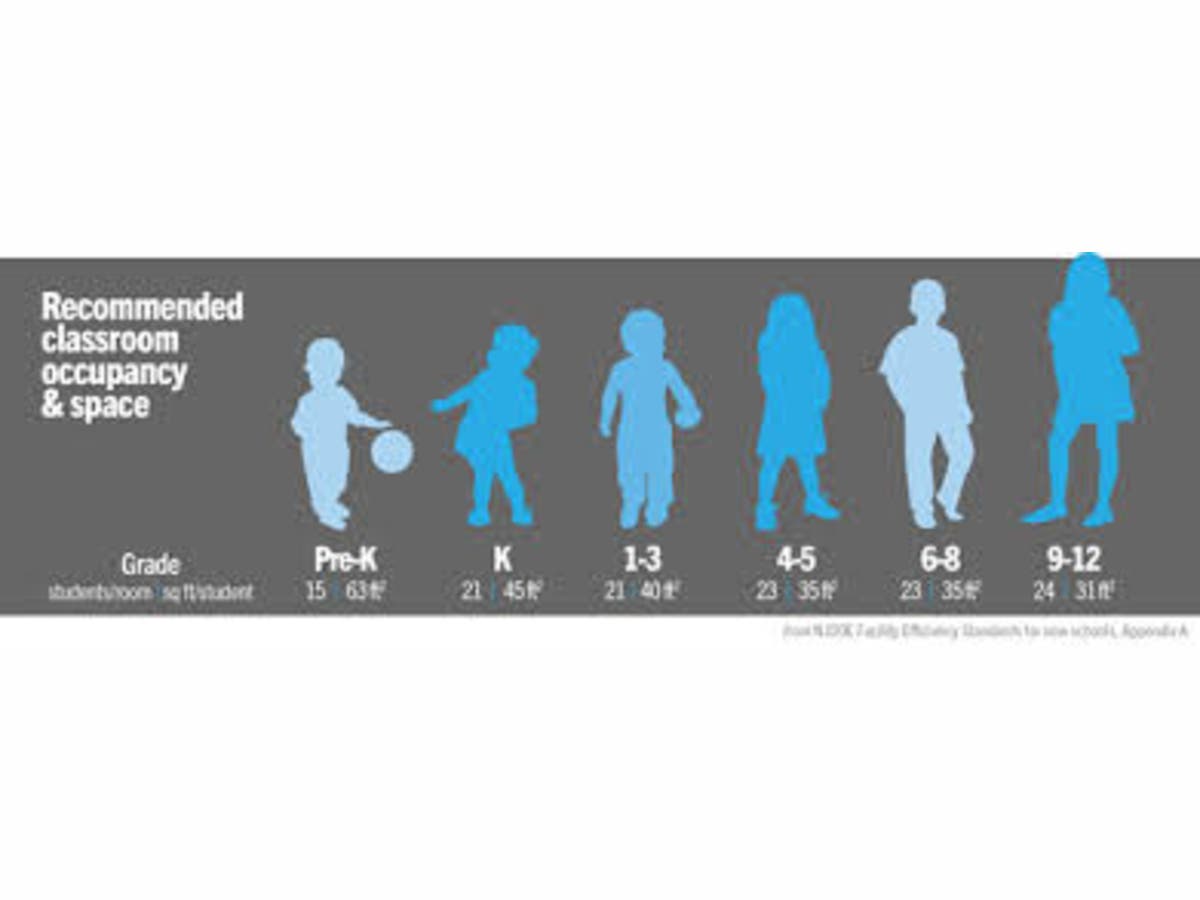
CUSD has the largest class sizes in the State and in the Nation. Should CUSD give employee raises or reduce class size?
June 8, 2017
Capistrano Unified School District
33122 Valle Road
San Juan Capistrano, CA 92675
Re: Proposed 2017-18 Budget and Class Size
Dear Superintendent Vital and Trustees
Find out what's happening in San Juan Capistranofor free with the latest updates from Patch.
At the June 7, 2017 Board of Trustees Meeting I brought up the fact that CUSD has the largest class sizes in the State and in the Nation.
Trustee Holloway asked Staff if this was true. Instead of a direct yes or no. Staff gave a tortured explanation regarding Local Control and contract negotiations that implied I was mis-informed; and though that you as the Superintendent would want to make sure that correct information was provided to Trustees and the Public so that they can make informed budget choices.
I would like to provide Trustees with the following documentation and have this letter included in the minutes for the June 7, 2017 Board of Trustees meeting.
I was making the point regarding class size because CUSD has limited funding and it must decide what the District's funding priorities are. The proposed 2017-18 budget that was presented at the June 7, 2017 meeting contained COLA salary increases, Step & Column Salary increases and Health and Welfare benefit increases for all employees. This comes after four consecutive years of across the board compensation increases totaling over $120 million dollars. These annual compensation increases have been paid for with yearly class size increases, deferred maintenance and cuts to core educational programs like Art, Music and Science. CUSD students attend class in facilities that have not been fixed or maintained in 15 years, with staff to student ratios that are not safe.
2017-18 Budget Assumptions at page 347:
http://capousd-ca.schoolloop.com/file/1218998819331/1455438848279/720878747424919935.pdf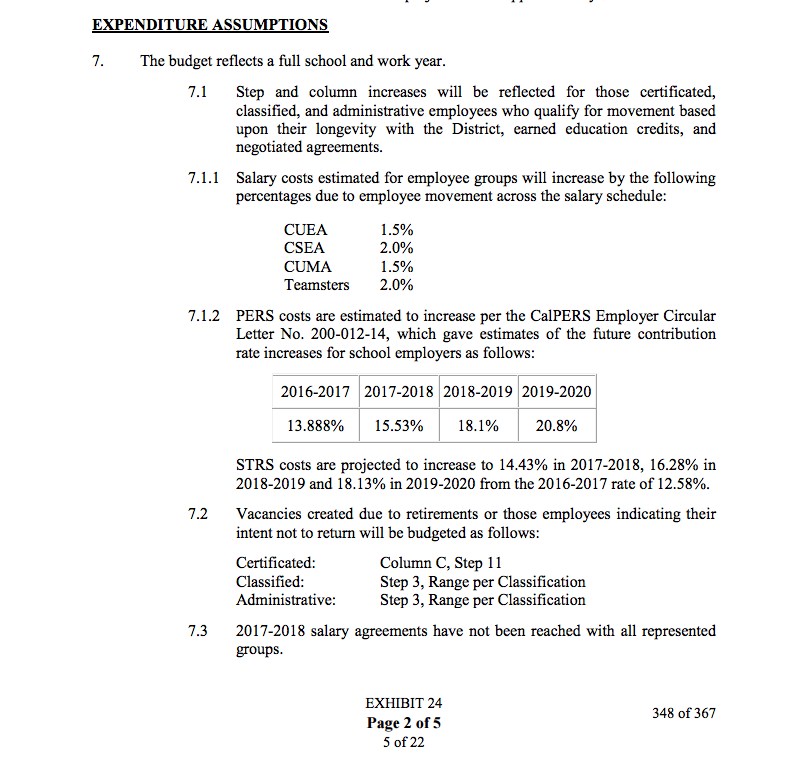
Find out what's happening in San Juan Capistranofor free with the latest updates from Patch.
From the NEA:
http://www.nea.org/assets/docs/NEA_Rankings_And_Estimates-2015-03-11a.pdf
![]()
California is ranked 4th in the Nation with Average class sizes of 21.3
at page IX
"Classroom Teachers: Changes in the number of staff employed in education institutions as well as their levels of compensation reflect trends in enrollment; changes in the economy; and specific state, local, and national program priorities. There were 3,121,926 teachers in 2013–14 (C-5). The average number of students per teacher increased from 15.8 in 2012–13 to 15.9 in 2013– 14. This ratio of students to teachers must not be confused with “Average Class Size,” which is the number of students assigned to a classroom for instructional purposes. Class size and student/teacher ratio are very different concepts and cannot be used interchangeably. According to recent studies, the difference between student/teacher ratio and average class size in K–3 is 9 or 10 students (Sharp 2002). Therefore, an elementary school with a school wide student/teacher ratio of 16:1 in kindergarten through third grade would typically have an average class size of 25 or 26 students in those same grades. The highest number of students enrolled per teacher in public elementary and secondary schools in fall 2013: Michigan (22.6), Utah (22.5), Oregon (21.5), California (21.3), and Idaho (19.8). States with the lowest student–teacher ratios were Vermont (10.0), New Jersey (11.8), New Hampshire (11.9), North Dakota (12.1), and Maine (12.1). Thirty-three states and the District of Columbia had average student–teacher ratios below the U.S. average (15.9) (C-6)."at page 17
California is ranked 4th in the Nation with Average class sizes of 21.3
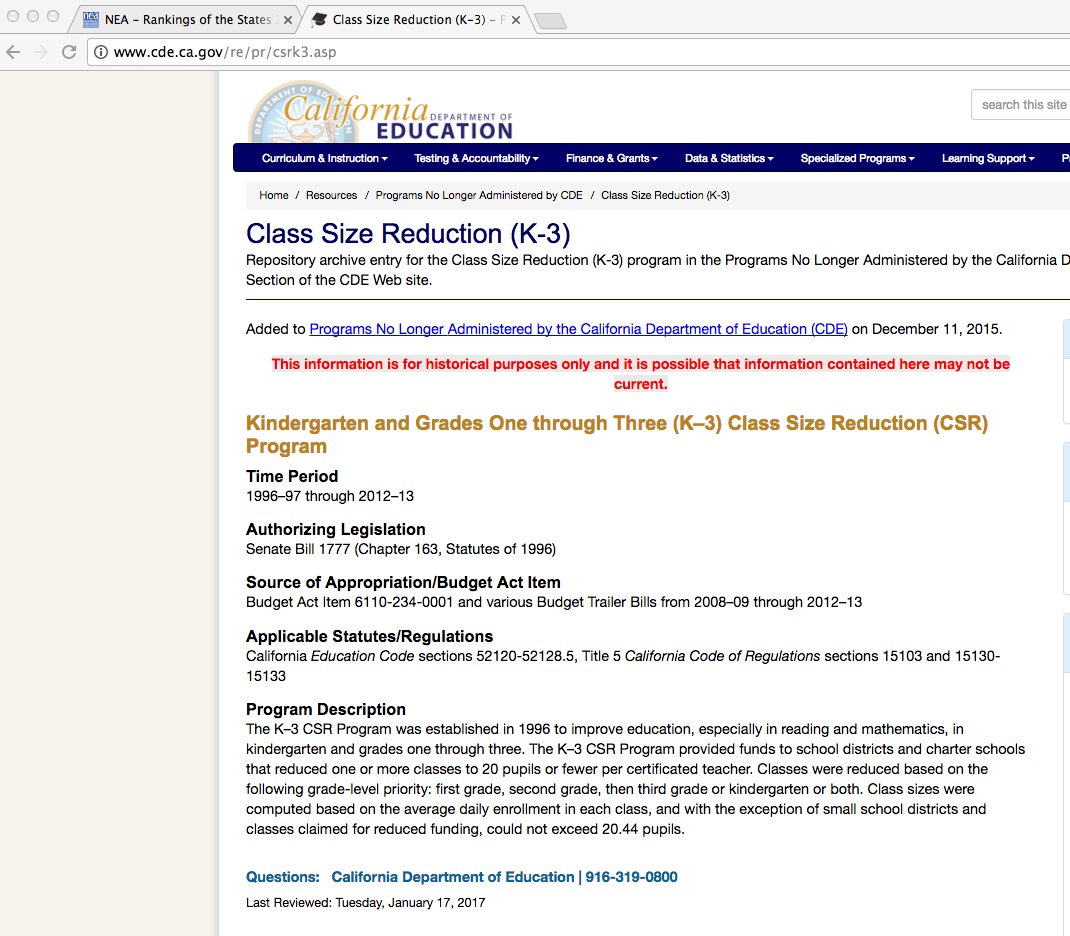
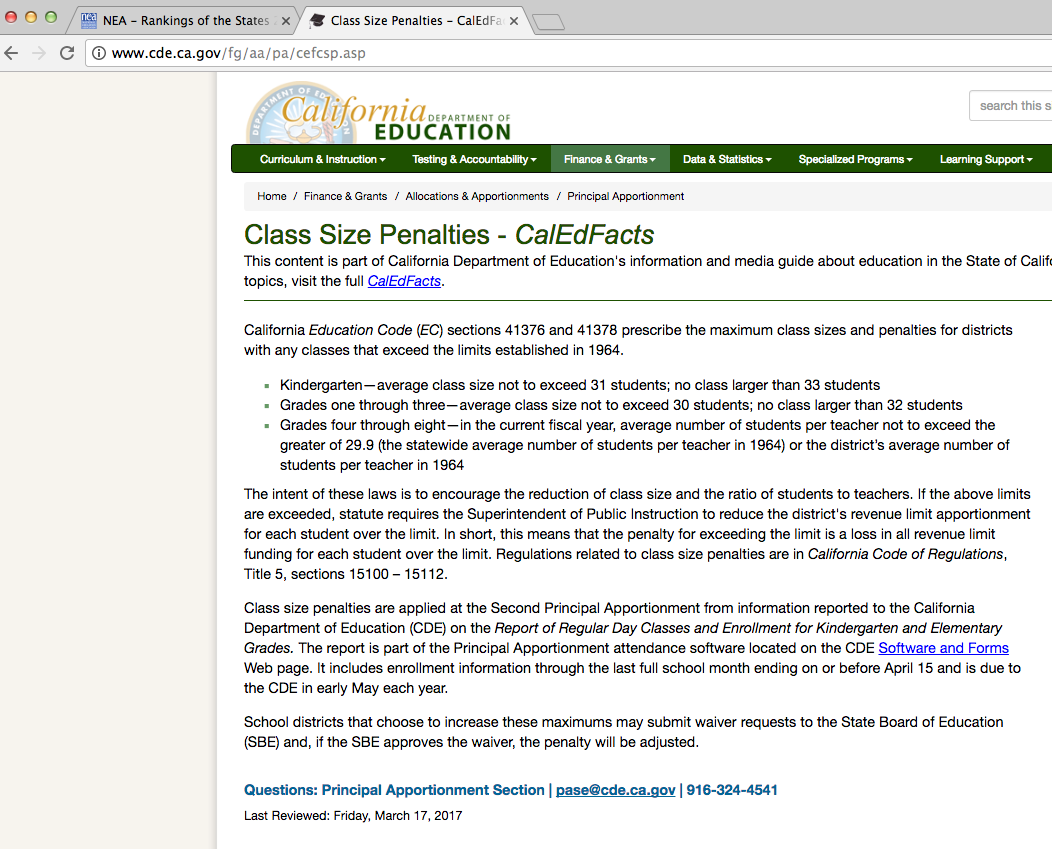
The California Department of Education no longer administers the Class Size Reduction Program. Under Local Control Districts and their employee bargaining units are allowed to negotiate any class sizes they wish, no matter how unreasonable they are.
![]()
There are financial penalties for class sizes over specific maximums but waivers are always granted when Districts ask for them.
http://www.cde.ca.gov/fg/aa/pa/cefcsp.asp
![]()
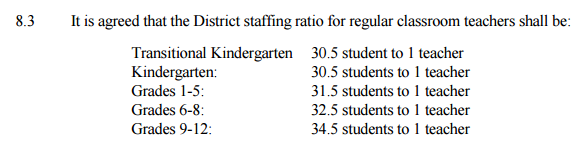
So while California is ranked 4th in the nation with average class sizes of 21.3 to 1, CUSD's negotiated staffing ratios are 10+ students above that:
There are financial penalties for class sizes over specific maximums but waivers are always granted when Districts ask for them.
http://www.cde.ca.gov/fg/aa/pa/cefcsp.asp
So while California is ranked 4th in the nation with average class sizes of 21.3 to 1, CUSD's negotiated staffing ratios are 10+ students above that:
at page 17 http://www.cuea.org/contract/2...
![]()
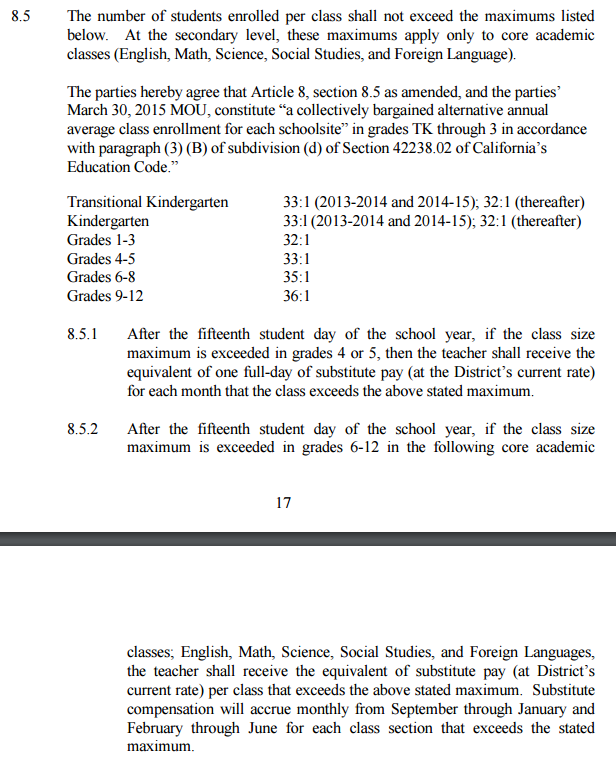
and maximum class sizes are currently 32:1 in contrast to California's state average. Staff apparently did not want to admit this to Trustee Holloway.
![]()
I want this factual information provided to all Trustees, and I want this letter included in the Board minutes for June 7, 2017 so that all parties understand that it is a "CHOICE" that each individual school district makes as to whether money should be spent providing CUSD students with reasonable class sizes, or providing employees with annual compensation increases.
and maximum class sizes are currently 32:1 in contrast to California's state average. Staff apparently did not want to admit this to Trustee Holloway.
I want this factual information provided to all Trustees, and I want this letter included in the Board minutes for June 7, 2017 so that all parties understand that it is a "CHOICE" that each individual school district makes as to whether money should be spent providing CUSD students with reasonable class sizes, or providing employees with annual compensation increases.