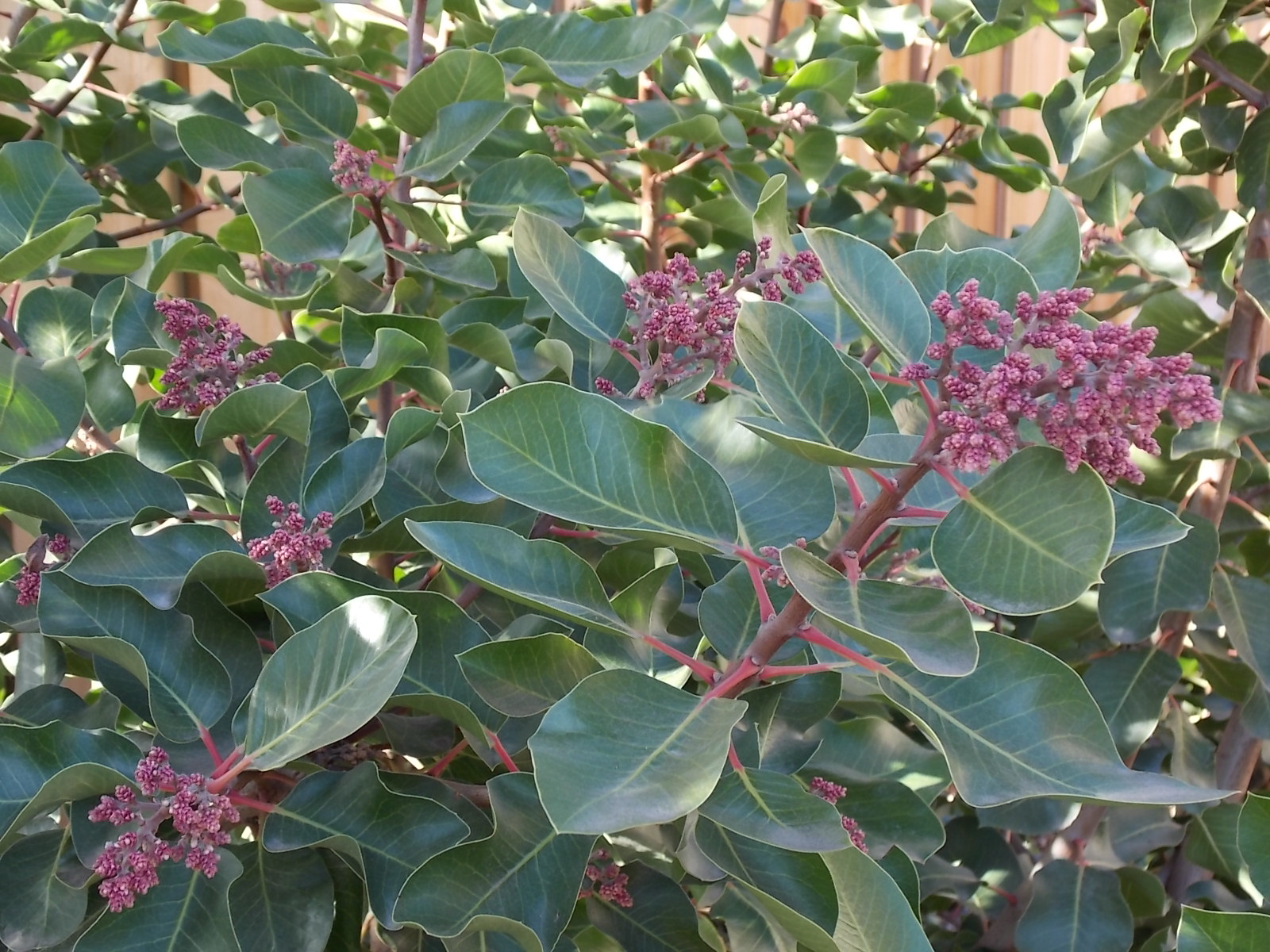
Are you tempted to remove the ugly, black or freeze-dried leaves and branches on your frost-damaged plants? I know I am but let’s refrain. Best to wait till after all danger of frost is gone before removing leaves and especially branches. Plants can regenerate after damage!
Dry winter...keep irrigating plants. One or two days a week is good for automatic systems. If you water by hand, a deep watering is best once every two weeks or right before a frost warning.
January and February are the months to prune deciduous plants...best to do so on a dry, sunny day. Also time to plant bare-root fruit trees and roses to the garden.
Find out what's happening in San Leandrofor free with the latest updates from Patch.
Prune hybrid-tea roses Cut back canes by one-third (about 18” long.) Always cut above a swelling bud that is facing outward, away from center of plant. Remove dead wood and suckers. I also like to remove one to three of the oldest canes if there is plenty of newer canes. Old canes are thicker in diameter, typically thornier and have become woody or partially so.
Prune climbing roses Remove twiggy growth and awkward or weak-looking shoots. Prune the rest of the branches/canes to three or four buds. If you are a patient and neat type you’ll want to remove the dead wood for a cleaner, less dense shrub.
Find out what's happening in San Leandrofor free with the latest updates from Patch.
Prune deciduous trees and shrubs Remove dead wood, crossing or touching branches and anything that looks awkward aesthetically. Flowering shrubs can be pruned after they flower.
Spray dormant, deciduous fruit trees, berries and roses with dormant oil spray...this protects plants from insects and their eggs by smothering them. Be sure to clean up any leaves and fruit on plants and ground.
Frost watch If frost is predicted, water frost-sensitive plants like citrus and Bougainvillea. If plants are not in a protected spot, young and/or have suffered frost damage before think about covering with a frost blanket, old sheet, burlap or paper. It’s best if the material doesn’t touch leaves by propping it up with stakes. Remove cover during the day. Or try a string of electric lights (non-LED)- it will look festive and keep the plant warm.
Purchase bare-root plants like fruit trees, strawberries and roses from nurseries and mail-order companies. Bare-root form is less expensive than in a pot. Get them into ground asap. Shop early for best selection.
Rake up leaves from surfaces (soil, hardscape and lawn) and remove leaves from the top and inside of plants. If leaves are not diseased put in composter.
Weed Pull up weeds before they flower and set seed
VEGETABLE AND FRUIT GARDEN
Prune fruit trees Remove dead wood, crossing or touching branches and anything that looks awkward or deformed. Height reduction cuts are best done in June.
Spray dormant, deciduous fruit trees and berries with dormant oil spray The oil protects plants from insects and their eggs by smothering them. Not necessary to spray if you have healthy plants but it can protect against future infestations.
Spray nectarines and peaches Prune trees first then spray with copper sulfate to prevent peach leaf curl. Makes sure to spray all over the branches and trunk for best results.
Harvest citrus when ripe Pick up any fruit off ground
Read more of Angele's gardening and landscaping tips in the Patch Archives.