Politics & Government
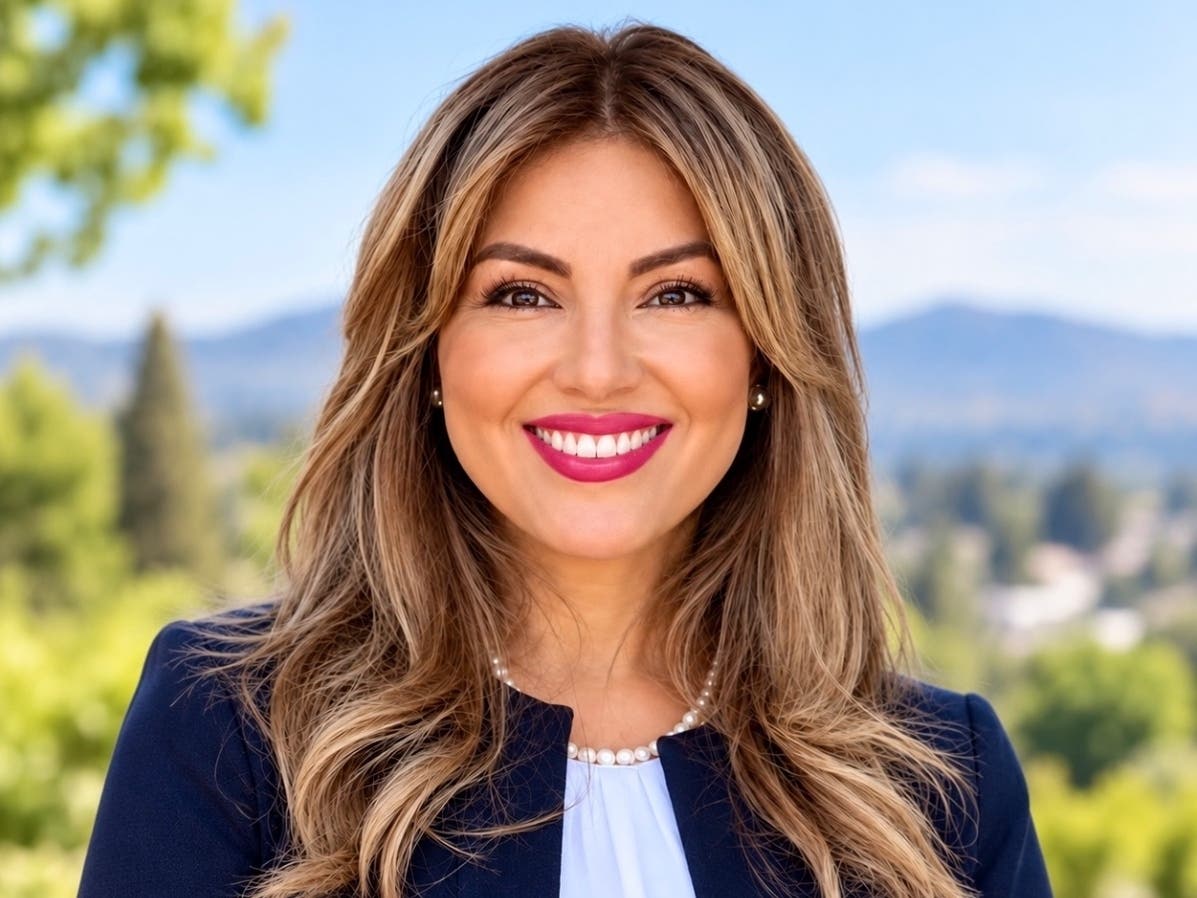
Meet The SRVUSD Board Candidate: Joel Woods
Joel Woods is challenging incumbent Rachel Hurd to represent Area 5. Read his responses on important issues facing the district.


SAN RAMON, CA — Patch reached out to all the candidates running for Area 5 of the San Ramon Valley Unified School District Board, which is SRVUSD's only contested race this election cycle. Area 5 is located in eastern and southeastern San Ramon, centered on Dougherty Valley.
Two other trustee areas are not on the ballot because only one candidate filed to run.
In Area 1, the only candidate running is Amanda Butland, who is currently executive vice president of the Monte Vista High School PTSA and the former vice president of the San Ramon Valley Education Foundation. Butland will replace Jessie vanZee, who announced in July that he will not seek re-election.
Find out what's happening in San Ramonfor free with the latest updates from Patch.
In Area 4, incumbent Susanna Ordway is running unopposed. Ordway is a college admissions consultant who has served on the board since 2018, and worked as an instructional assistant, paraeducator, and instructor at SRVUSD schools. She has also served on numerous PTAs.
In Area 5, substitute teacher Joel Woods is running against incumbent Rachel Hurd, who is running for her fifth term.
Below, read his answers to our questionnaire, reprinted verbatim.
Find out what's happening in San Ramonfor free with the latest updates from Patch.
What is your educational background?
My educational background is rooted right here locally I (Joel Woods) earned my degree in Economics and Business from Saint Mary’s College. That training gives me a practical, data-driven perspective when evaluating budgets, analyzing policy decisions, and managing complex organization priorities
What is your professional background?
Joel Woods professional background combines direct classroom experience with strong financial discipline. Having worked in schools, I understand the daily realities facing teachers, students, and staff. Alongside my work in education, I apply data-driven financial analysis to asset management strategies. I serve youth and High School sports as a water polo referee. This gives me both the grounded perspective of a teacher and the fiscal oversight needed for effective governance.
Have you ever held public office, whether appointive or elective?
While I have not held public office, I bring extensive direct experience in public school classrooms, active leadership in local sports officiating, and a strong background in financial analysis. My candidacies stem from a desire to bring a fresh, practical perspective and fiscal oversight to community governance
What are the top three issues facing SRVUSD right now?
1. Strengthening the district’s fiscal sustainability while continuing to prioritize providing a quality education to all students in a safe and supportive learning environment and providing competitive total compensation for all employees. These together are the forever top 3 issues that compete with each other and must be balanced.
2. Declining enrollment is an additional stress on the financial situation and affects the program that is offered and may require attendance area boundary adjustments to accommodate localized housing growth, especially the concentrated growth in Bishop Ranch.
3. Passing a general obligation school facilities bond in the next 2-4 years to allow the district to get back on track with school modernization projects and long-term maintenance projects.
What is one specific action you would prioritize during your first year in office?
Joel Woods top priority will be conducting a classroom-first budget review to protect our teachers, staff, and core academic programs from structural deficits. Protect Classroom Staffing: Audit non-instructional administrative overhead and vendor contracts to streamline district spending, ensuring necessary budget cuts target administrative costs never teachers, counselors, or instructional aides Pursue Alternative Grant Funding: Actively identify state, federal, corporate, and local grants partnering with the San Ramon Valley Education Foundation to bring outside revenue directly to our schools for STEM, safety, and classroom technology Ensure Financial Transparency: Deliver clear, plain language quarterly budget reports to parents, staff, and the public so financial decisions are made openly before major adjustments occur. Combining disciplined financial oversight with proactive grant sourcing will stabilize district finances while keeping our focus firmly on student achievement.
SRVUSD has been working to address an ongoing budget shortfall. What spending would you protect, and where, if anywhere, would you support reductions or new revenue?
Joel Woods would approach fiscal decisions with a clear, classroom-first framework focused on protecting direct instruction, streamlining non-instructional costs, and aggressively pursuing non-tax revenue
What I Would Protect: Frontline Educators & Classroom Staff: teachers, aides, & counselors directly impact student success and well-being.
Core Academics, STEM & Electives: Essential course offerings, including visual and performing arts, AP/honors courses, and career technical training that keep students engaged and competitive.
Small Class Sizes & Special Education: Targeted support and manageable class sizes that ensure equitable outcomes for all learning needs.
Where I Support Reductions: Administrative Overhead & External Contracts: Audit district-level administrative expenses, consolidate central office positions where possible, and renegotiate or eliminate non-essential vendor service contracts before touching school site budgets.
Operational Efficiencies: Optimize facility energy usage, streamline software licensing across campuses, and eliminate redundant software tools.
New & Maximized Revenue:
Grant Sourcing: Establish proactive grant partnerships—leveraging the San Ramon Valley Education Foundation, corporate sponsors, and state/federal grants—to bring external funding directly to local classrooms.
Facility Usage & Local Partnerships: Maximize community rental revenue from district facilities during off-hours to generate reliable non-tax operating income.
How should the district balance competitive employee compensation with class sizes, student services and long-term financial stability?
Balancing competitive compensation with small class sizes, student services, and long-term financial stability requires disciplined data-driven prioritization that keeps resources focused as close to the students as possible
1. Treat Educators as the Primary Student Service High-quality education starts with retaining top-tier talent. Competitive compensation and manageable class sizes are not opposing goals; large class sizes burn out educators, while low pay drives them away. To balance both, we must prioritize frontline compensation over central office expansion, ensuring payroll dollars directly support site-level teachers, counselors, and aides
2. Focus Budget Reductions Away from the Classroom Long-term fiscal stability should never be achieved by eroding classroom quality. Instead of broad cuts that harm student services, the board must audit non-instructional administrative overhead, redundant software and third-party contracts. Every dollar saved in administrative operations frees up recurring funds for teacher retention and student programs
3. Multi-Year Reserve Strategies & Revenue Growth To prevent sudden programmatic cuts or hiring freezes during lean state budget years, SRVUSD must maintain transparent multi-year planning. We should also proactively build corporate partnerships working with the SRVEF to fund specialized programs through external grants rather than general fund revenue
Why do you feel you're a better candidate than your opponents?
Joel Woods feels Fiscal Deficits & Direct Classroom Investment: Rising operating costs and expiring state funding create real structural budget challenges. SRVUSD needs disciplined, transparent financial oversight to protect core academics, electives, STEM programs, and small class sizes by prioritizing classroom resources over administrative overhead
2. Declining Enrollment & State Revenue: Shifting local demographics and high regional housing costs continue to reduce student enrollment. Because California school funding depends directly on Average Daily Attendance (ADA), SRVUSD must maintain academic excellence, optimize facility use, and ensure our public schools remain the premier choice for families
3. Educator Attraction & Retention: High living costs make recruiting and retaining top-tier teachers & support staff an ongoing hurdle. Fostering a supportive, collaborative professional culture with competitive compensation is vital to keeping excellent educators in local classrooms
Get more local news delivered straight to your inbox. Sign up for free Patch newsletters and alerts.