Community Corner
Exterior Home Maintenance Checklist: Seasonal Tips for Yearly Upkeep
Exterior maintenance is something that every household has to do.
This is a paid post contributed by a Patch Community Partner. The views expressed in this post are the author's own, and the information presented has not been verified by Patch.
From gutter cleaning and decks to solar panel cleaning - everything needs to be checked off the list every year.
And in such a scenario, an exterior home maintenance checklist comes in handy. It gives you structure so nothing important slips through the cracks. It’s not about over-maintaining—it’s about staying ahead of problems before they escalate.
Why Exterior Maintenance Is Worth Your Time
It is important to know that consistent upkeep is one of the biggest factors in extending the life of structural components like roofing, siding, and drainage systems. Water, in particular, is the main culprit behind long-term damage.
When your home’s exterior isn’t maintained properly, you’re more likely to deal with foundation cracks caused by poor drainage, wood rot along fascia boards and trim, mold and mildew growth from trapped moisture, premature roof wear, peeling paint and siding deterioration.
A well-planned seasonal maintenance checklist helps you avoid these issues without turning upkeep into a full-time job.
Spring: Check for Damage and Clear the Way
Spring is where your yearly maintenance really begins. Winter tends to expose weak points—whether it’s loose shingles, stressed gutters, or small cracks that expanded in freezing temperatures.
Start with a walk-around inspection. You’re not looking for perfection, just anything that looks off.
What to Focus On
- You need to scan the roof to check for missing shingles or uneven patches.
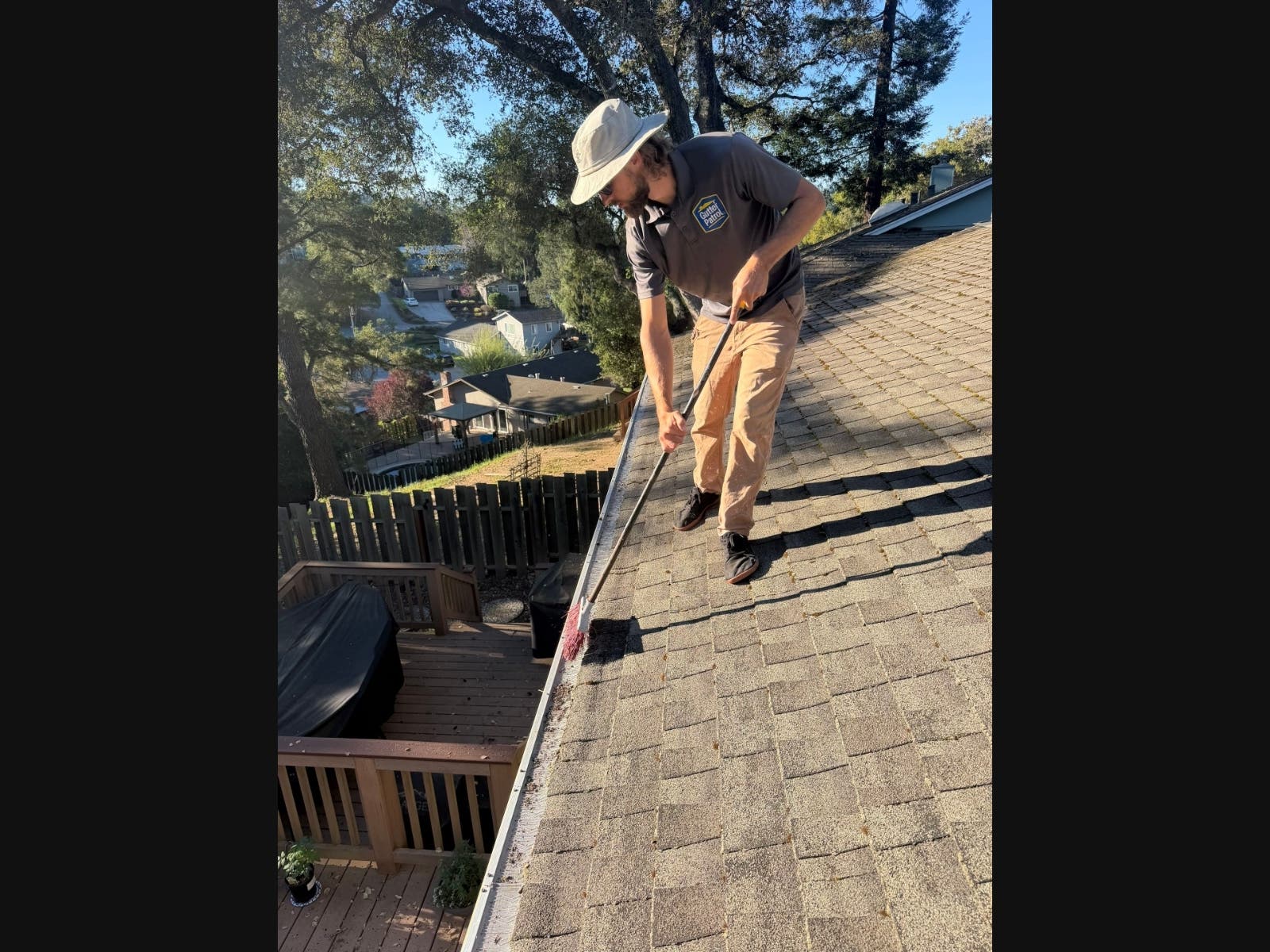
- Clear out leaves, grit, and buildup from gutters.
- Look for peeling, cracks, or soft spots
- Check for new cracks or areas where water collects
- Wash away mildew, dirt, and residue
If your gutters are packed or water isn’t flowing properly, this is the time to bring in professional roof and gutter cleaning services. Winter debris can harden and block drainage more than most people expect.
A quick check during spring storms is useful, too. If water is spilling over the sides instead of moving through the system, that’s your signal that something needs attention.
Summer: Fix What You Found and Strengthen What Matters
Summer gives you the best working conditions—dry weather, longer days, and fewer interruptions. This is when you handle repairs and reinforce areas that take a beating from heat and sunlight.
UV exposure alone can shorten the lifespan of roofing materials and exterior finishes if they’re not properly maintained.
What to Focus On
To maintain exteriors, repainting and resealing surfaces helps protect wood and siding from sun damage. You can also seal gaps and joints, especially around windows and doors. Inspect decks and outdoor structures. That will tighten loose boards and check for rot. Keep branches from scraping or damaging your home, and also evaluate drainage flow.
If you’ve noticed dark streaks or buildup on your roof, it’s worth addressing them properly. Experienced roof cleaning experts use methods that remove growth without damaging shingles—something DIY pressure washing often gets wrong.
Summer maintenance is less about urgency and more about durability. You’re reinforcing your home so it can handle the seasons ahead.
Fall: Stay Ahead of Water Problems
Fall is when a lot of homeowners need help with exterior maintenance. Leaves start dropping, gutters fill up quickly, and before you know it, water isn’t moving the way it should.
This is one area where being proactive really pays off.
What to Focus On
- Thorough gutter cleaning: Remove all leaves and debris
- Downspout flow: Make sure water is exiting well away from the house
- Roof flashing: Check seals around vents and chimneys
- Attic airflow: Proper ventilation reduces moisture buildup
- Loose exterior elements: Secure anything that could shift in storms
A clogged system during fall can lead to winter issues like ice dams and hidden leaks.
If your property has heavy tree coverage, one cleaning may not be enough. It’s better to stay ahead of it than deal with overflow later.
Winter: Keep an Eye on the Warning Signs
Winter isn’t the season for major exterior work, but it’s still part of a solid seasonal maintenance checklist. What you’re doing here is monitoring.
Cold weather has a way of exposing weaknesses quickly.
What to Watch For
- Ice dams forming along the roof edge
- Icicles hanging from gutters (a drainage red flag)
- Water stains on ceilings or walls indoors
- Snow buildup near the foundation
- Damage after heavy wind or storms
If something looks off, it probably is. Waiting until spring can make things worse, especially if water is involved.
Gutters: The System That Protects Everything Else
Gutters don’t get much attention until they fail—but when they do, the damage spreads fast.
A properly working gutter system directs water away from your home, protecting:
- The foundation
- Siding and trim
- Landscaping
- Basement and crawl spaces
Poor drainage is one of the most common causes of external home damage.
Where Most Homeowners Slip Up
Even homeowners who stay on top of things tend to miss a few key areas.
Here’s what we see most often: skipping routine inspections because “everything looks fine”, cleaning gutters once and assuming they’re good for the year, letting small cracks or leaks go unchecked. Using the wrong cleaning methods on roofing or siding, or ignoring how close water is draining to the foundation
None of these are complicated issues—but they add up over time.
A Simple Way to Stay Consistent
You don’t need a complicated system to keep your home in good shape. You just need a plan you’ll stick to.
Here’s a straightforward way to approach it:
- Spring: Inspect and clean
- Summer: Repair and protect
- Fall: Clear and prepare
- Winter: Monitor and respond
Final Word: Keep It Simple, Keep It Done Right
There’s no shortage of companies pushing quick fixes and one-size-fits-all solutions. But real maintenance doesn’t work that way. It’s steady, practical, and based on what your home actually needs.
GutterPatrol keeps things simple:
- Employee-installed systems
- Clear, documented pricing
- No pressure, no gimmicks
- Work that holds up in real conditions
You’re not looking for a sales pitch—you’re looking for a home that holds up year after year.
Stay consistent, pay attention to the details, and when something needs to be handled properly, make sure it’s done right the first time.
This post is an advertorial piece contributed by a Patch Community Partner, a local brand partner. To learn more, click here.