Weather
Flash Flood Warnings Hit West Side As Powerful Storm Sweeps LA County
Torrential rain, possible 60 mph wind gusts and dangerous surf threaten coastal communities as flash flood warnings remain in effect.


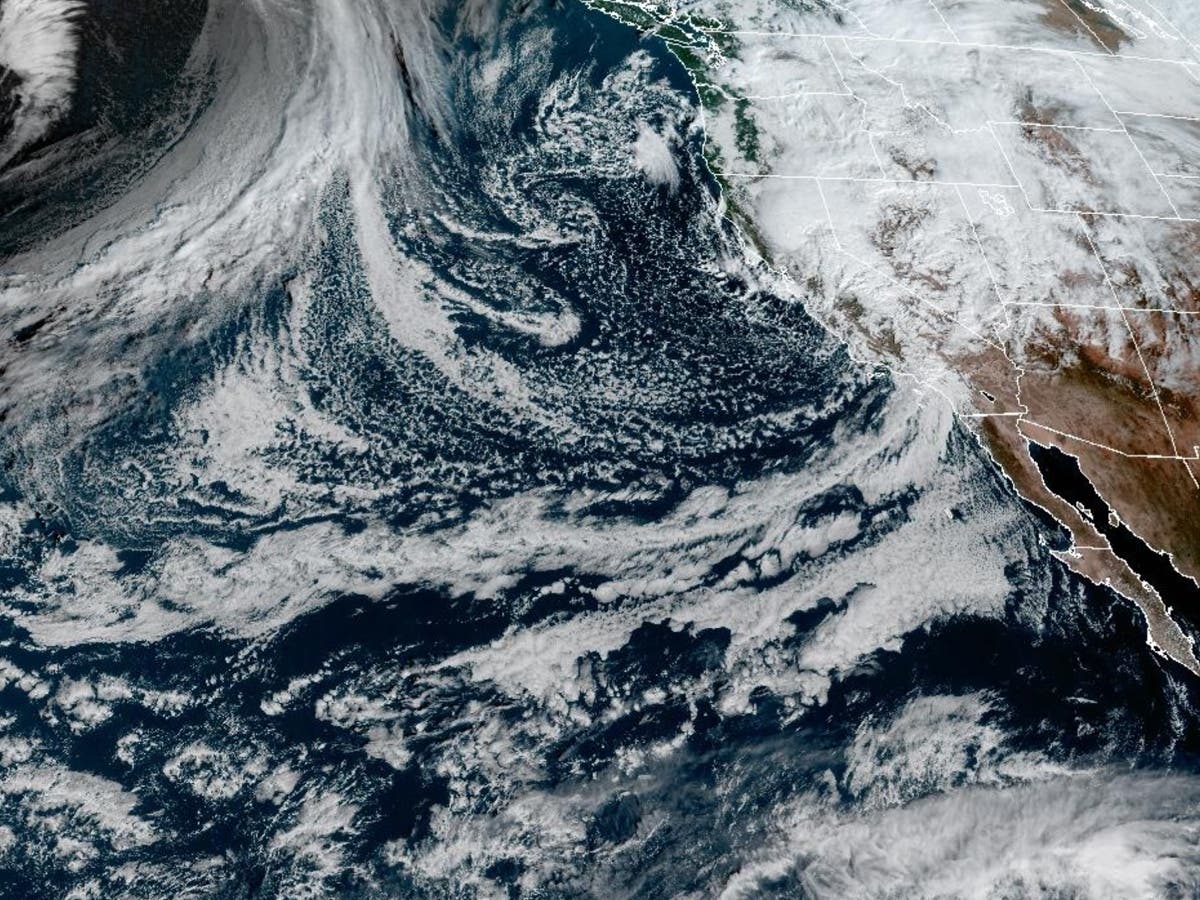
LOS ANGELES COUNTY, CA — A powerful storm unleashed torrential rain across Los Angeles County on Thursday morning, triggering flash flood warnings from Santa Monica to the South Bay as forecasters warned of dangerous flooding, damaging winds and the possibility of brief tornadoes.
The National Weather Service issued multiple flash flood warnings through noon Thursday, covering Santa Monica, Manhattan Beach, Hermosa Beach, Redondo Beach, Rancho Palos Verdes and Long Beach, along with large portions of central and western Los Angeles County.
At 8:30 a.m., weather officials reported that thunderstorms were producing intense rainfall, with rates potentially reaching 1 inch in just 30 minutes. Radar indicated that flash flooding was either underway or expected to begin shortly within the warned areas.
Find out what's happening in Santa Monicafor free with the latest updates from Patch.
Forecasters warned that rapidly accumulating water could overwhelm drainage systems, inundate streets and underpasses, and make driving hazardous.
The warnings also covered Torrance, Carson, Inglewood and downtown Los Angeles, while a separate alert identified the Pacific Palisades burn scar as particularly vulnerable to life-threatening flooding and debris flows.
Find out what's happening in Santa Monicafor free with the latest updates from Patch.
Severe Thunderstorms Raise Tornado Concerns
The storm brought more than heavy rain. In a severe thunderstorm warning issued at 8:45 a.m., the weather service warned that storms moving east at approximately 30 mph could produce wind gusts reaching 60 mph, along with a small chance of a brief, weak tornado.
Santa Monica, Long Beach and downtown Los Angeles were among the communities identified in the warning, which was scheduled to expire at 9:45 a.m. Forecasters cautioned that damaging winds could affect roofs, siding and trees, urging residents to remain indoors, away from windows and prepared to seek shelter if conditions deteriorated.
Offshore, a separate marine warning highlighted the possibility of waterspouts and wind gusts approaching 50 knots in coastal waters near Redondo Beach and Rancho Palos Verdes. The marine warning, issued at 8:35 a.m., was scheduled to remain in effect until 10 a.m.
Dangerous Surf Threatens Beaches
Even as the thunderstorms move inland, hazardous conditions are expected to persist along the coast. A high surf advisory remains in effect for Los Angeles County beaches and the Malibu coast until 9 a.m. Friday, with breaking waves of 6 to 9 feet and dangerous rip currents.
The weather service warned that powerful waves could sweep people from beaches and rocks, capsize small boats near shore and contribute to beach erosion. Minor coastal flooding is also possible around high tide, particularly in low-lying beach and harbor areas.
Forecasters urged beachgoers to stay out of the water during hazardous surf conditions and avoid exposed rocks and jetties.
Flood Threat Continues Into Evening
A broader flood watch remains in effect until 6 p.m. Thursday, covering Los Angeles County beaches, the Palos Verdes Hills and surrounding communities.
The watch reflects the continuing possibility of flooding beyond the areas already placed under more urgent warnings, particularly where additional downpours strike saturated ground or poorly drained streets.
The weather service also warned that mudslides, rockslides and debris flows remain possible in vulnerable hillside areas. Drivers were urged never to attempt to cross flooded roads, even when the water appears shallow. Residents can follow changing conditions and updated alerts through the National Weather Service.