Politics & Government
New Water Facility to Save City $500,000 a Year
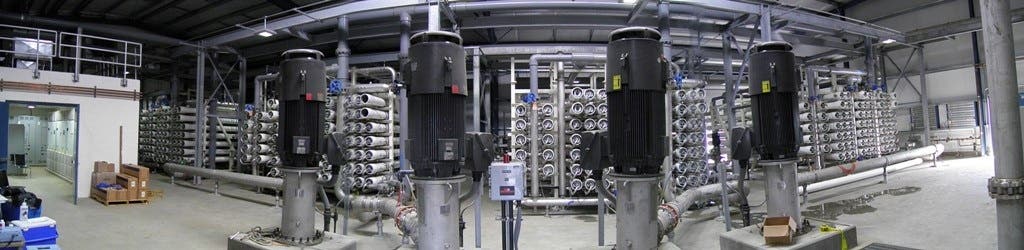
The treatment plant at Wilshire and Bundy is intended to ensure the safety of drinking water pumped from local wells, which contamination had rendered useless.


When underground gasoline leakage contaminated local groundwater in 1996, the city of Santa Monica shut down seven of its 11 wells and sued oil companies for damages.
The result of its litigation efforts will be seen in January, with the opening of the Santa Monica Water Treatment Plant. The plant will ensure the safety of locally pumped drinking water from all city wells, increase local sustainability and reduce the cost of providing the vital resource to residents.
"The new facility allows us to start up the wells again, 14 years later," said Gil Barboa, manager of the city's . "Environmentally, groundwater is important for our city's sustainability. We won't have to keep importing our water supply from hundreds of miles away."
Find out what's happening in Santa Monicafor free with the latest updates from Patch.
The settlements paid out by Exxon Mobil, Chevron Texaco and Shell after the city's lawsuit totaled hundreds of millions of dollars and were used to purchase the city's San Joaquin Delta-derived replacement water from the Metropolitan Water District, as well as cover the costs of constructing the new treatment plant.
The facility is on track to be completed by its original deadline of Dec. 31. The opening of the Santa Monica Water Treatment Plant is expected to reduce water costs to $600 per acre foot including the cost of treatment and running the plant, saving the city nearly $500,000 a year.
Find out what's happening in Santa Monicafor free with the latest updates from Patch.
Located on the corner of Wilshire and Bundy, the plant will clean and filter the local groundwater supply of all methyl tert-butyl ether (MTBE), a flammable and colorless liquid gasoline additive designed to oxygenate the fuel source.
The substance's use has been reduced drastically and federally regulated since it was discovered to easily pollute large quantities of groundwater when gasoline with MTBE leaked from underground tanks or pipes at gas stations. All MTBE contamination sources within the city have since been taken out of service. Human-health effects of MTBE exposure are unknown and inconclusive.
Since the MTBE was discovered at the Charnok well field and the local wells closed, the city went from supplying 70 percent of its water locally to purchasing 75 percent from the Metropolitan Water District for $700 per acre foot. The costs of supplying the city with MTBE-free water have totaled more than $3 million per year.
Using a granular activated carbon (GAC) treatment system, the new plant will direct the contaminated water through a stationary bed of activated carbon, leaving organic material to collect at the top of the bed. GAC is a porous and absorbent material produced by heating organic matter such as coal, wood or coconut shells in the absence of oxygen, and then crushing it into granules. The activated carbon pieces then act as a sponge, absorbing the negative chemical from the water supply.
"This project isn't the first to use GAC for MTBE removal," construction manager Alex Nazarchuk said of the project. "There have been other success stories too."
The MTBE contamination exists in an underground water plume. After 10 years of treatment, the plant is expected to completely eradicate the chemical from the wells' source.
The city plans on having the plant distributing water in full capacity by Jan. 1, with a dedication ceremony planned tentatively for Feb. 11.