Health & Fitness
Zika Virus Mutations Raise Specter of Worldwide Spread, UCLA Finds
The Zika virus can mutate so rapidly, the current outbreak has the potential to swiftly spread the globe a UCLA study found.
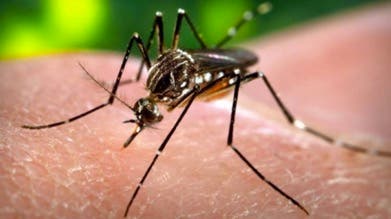
LOS ANGELES, CA - The Zika virus possesses the ability to mutate rapidly, meaning the current outbreak of the virus has the potential to spread swiftly around the world, according to a UCLA study released today.
"The Zika virus has undergone significant genetic changes in the past 70 years," said the study's senior author, Genhong Cheng, a professor of microbiology, immunology and molecular genetics at the David Geffen School of Medicine at UCLA.
"By tracing its genetic mutations, we aimed to understand how the virus is transmitted from person to person and how it causes different types of disease," he said.
Find out what's happening in Santa Monicafor free with the latest updates from Patch.
First isolated in 1947, the Zika virus caused sporadic disease in Africa and Asia until the 2007 Micronesia and 2013 French Polynesia outbreaks.
Scientists previously believed that infection was spread solely by mosquitoes and caused only mild disease.
Find out what's happening in Santa Monicafor free with the latest updates from Patch.
The latest epidemic, however, has linked the virus to fetal brain- development disorders and Guillain-Barre syndrome. New modes of transmission, including infection through sex and from mother to newborn have also surfaced.
"We don't know why Zika infection was not associated with serious human disease, especially in newborns, until recently," said co-author Dr. Stephanie Valderramos, a fellow in obstetrics-gynecology at the Geffen School. "We hoped that taking a closer look at the virus' genetic changes over time would reveal clues to this mystery."
The Cell Press journal, Cell Host & Microbe, published the findings today in its advance online edition.
Cheng's laboratory collaborated with researchers at the Chinese Academy of Medical Sciences and Peking Union Medical College in Beijing to compare individual genetic differences between more than 40 strains of Zika virus.
Thirty strains originated from humans, 10 from mosquitoes and one from monkeys.
In sequencing the virus, the team identified substantial DNA changes between the strains, showing a major split between the Asian and African lineages, as well as the human and mosquito versions.
"We suspect these mutations could help the virus replicate more efficiently, evade the body's immune response or invade new tissues that provide a safe harbor for it to spread," said co-author Lulan Wang, a graduate student researcher in Cheng's laboratory."
City News Service