Real Estate
She Bought A Santa Monica Condo, But A Court Says She Can't Live In It
An appeals court upheld decades-old restrictions requiring a Santa Monica condominium to remain affordable rental housing.


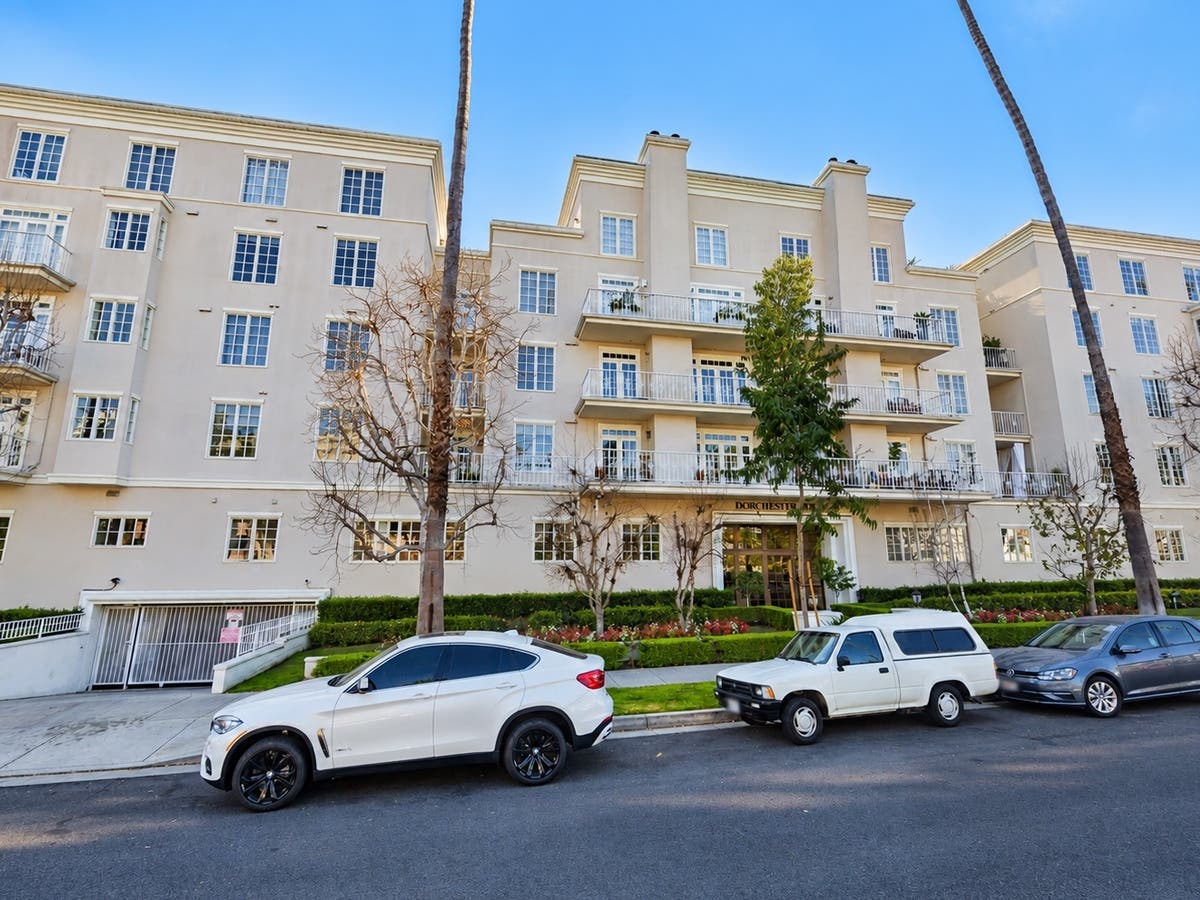
SANTA MONICA, CA — When Chiang Juei Sung purchased a condominium in Santa Monica in 2018, she acquired something most homeowners would expect to be able to live in. But the property came with a decades-old restriction that prohibited her from doing exactly that.
Now, a California appeals court has upheld the restriction, siding with the city in a dispute over affordable housing requirements at the Dorchester Condominiums, a 42-unit development at 1034–1050 Fourth St.
The decision, highlighted Tuesday by the Santa Monica City Attorney's Office, affirms that Sung's condominium must remain affordable rental housing rather than serve as a residence for its owner or her family.
Find out what's happening in Santa Monicafor free with the latest updates from Patch.
The ruling also leaves Sung responsible for $144,210 in attorneys' fees awarded to the city following years of litigation.
Although the Second District Court of Appeal issued its decision March 10, Santa Monica officials included the outcome in an Oct. 27 announcement highlighting several housing enforcement cases.
Find out what's happening in Santa Monicafor free with the latest updates from Patch.
An Affordable Housing Agreement From 1988
The dispute traces back nearly four decades to the Dorchester's original development agreement, which required its developer to preserve a portion of the building as affordable rental housing.
Of the development's 42 condominiums, 15 first-floor units were designated for affordable rentals, including eight for low-income households and seven for moderate-income households under the original agreement.
A deed restriction recorded in 1988 required those units to remain affordable rentals for 40 years or the life of the development, whichever was longer. The restrictions were intended to remain attached to the properties even if they changed hands.
Sung purchased Unit 104, a two-bedroom, two-bathroom condominium, in May 2018. According to the appellate opinion, she received notice of the development agreement, the deed restriction and the existing tenant's low-income occupancy before completing the purchase.
At the time, the tenant had lived in the apartment for approximately eight years. Months later, Sung filed an eviction action seeking to recover the property for her own use. The city subsequently brought a separate lawsuit to establish that the affordable housing restrictions remained enforceable.
The original tenant and Sung eventually reached a settlement, but that agreement did not resolve the city's broader dispute with the property owner.
Why The Court Rejected The Owner's Argument
Central to the litigation was a disagreement over how long the affordable housing requirements were supposed to last. Sung argued that the development agreement's 40-year expiration provision meant the restrictions had ended in February 2022. She also challenged the city's interpretation of the ordinance approving the original agreement.
The city maintained that the recorded deed restriction created obligations that continued independently of the development agreement's expiration, binding subsequent owners for the life of the property. The trial court agreed with Santa Monica, and the appellate court affirmed that decision.
In its March 10 opinion, the three-justice panel concluded that the development agreement, the ordinance approving it and the recorded deed restriction served different legal purposes and had to be considered together.
The judges determined that the deed restriction established enforceable obligations lasting for 40 years or the life of the Dorchester development, whichever was longer.
The court also rejected Sung's argument that her settlement with the original tenant had rendered the city's lawsuit moot, finding that the settlement did not settle the continuing enforceability of the housing restrictions.
While the judgment specifically concerned Sung's condominium, Santa Monica officials said the recorded restrictions apply to all 15 first-floor units, numbered 101 through 115, and prohibit owners from occupying those properties or renting them to family members instead of qualifying tenants.
More Than $144,000 In Legal Fees
The appellate court also upheld a $144,210 attorneys' fee award against Sung, rejecting her objections to both the city's entitlement to recover legal expenses and the amount awarded. According to the opinion, the original award was based on 262.2 hours of legal work at $550 per hour.
The city's announcement said former Deputy City Attorney Gary Rhoades led the case for more than five years before retiring in September 2023. Santa Monica has since filed a motion seeking additional attorneys' fees for its work on the appeal and intends to pursue postjudgment interest on the original award, according to the city.
Deputy City Attorney Jonathan Erwin-Frank said the case illustrates the importance of enforcing affordable housing requirements in a city where traditional rent control generally applies to housing constructed before 1979.
"With rent control limited to units constructed before 1979, the city's Below Market Housing Program is a vital and increasingly important part of the city's mission to prevent and reduce homelessness and meet the housing needs of all its residents," Erwin-Frank said.
The appellate decision was not published, and subsequent requests to publish it were denied, meaning it generally cannot be cited as legal precedent in other California cases.
Nevertheless, the judgment leaves the restrictions on Sung's condominium intact, illustrating how affordable housing obligations established decades ago can continue to govern a property's use long after its original developer has sold it.
Get more local news delivered straight to your inbox. Sign up for free Patch newsletters and alerts.