Politics & Government
Will City put residents on tab for $22M
A victory for voting districts was handed down by Superior Court this week. A new election is scheduled for July 2.

Santa Monica city council members may be putting residents on the hook for a $22 million dollar tab as part of the fallout for their resounding loss in court in a decision made public Friday that annuls the recent election and orders a new one in July based on voting districts, says Maria Loya who brought the suit.
After Palmdale lost its bid to to conserve at-large elections in the face of accusations that it was used to discriminate against racial minorities, dozens of other small cities in California simply capitulated and formed voting districts when sent a letter by attorney Kevin Shenkman who sued under the California Voting Rights Act.
That’s because the CVRA stipulates that cities who lose pay plaintiff’s fees. Palmdale wound up owning $4.5 million. Understandably, cities threatened with a suit took the fiscally smart path.
Find out what's happening in Santa Monicafor free with the latest updates from Patch.
But Santa Monica felt that it was different, that its twice voter-ratified plan to conserve at-large elections was somehow untouchable. The City argued that it was progressive and shouldn't be sued. It argued that at-large elections would “dilute” Latino vote.
Superior Court Judge Yvette Palazuelos found otherwise. In a copy of what appears to be her Feb. 13 filing that was provided by text to this Patch reporter, Palazuelos chastised the City’s hubris.
Find out what's happening in Santa Monicafor free with the latest updates from Patch.
“Analyzing elections over the past 24 years, a consistent pattern of racially-polarized voting emergencies,” she wrote. “In the face of racially-polarized voting patterns of the Santa Monica electorate, (the City) has imposed an at-large method of election in a manner that impairs the ability of Latinos to elect candidates of their choice or influence the outcome of elections, as a result of the dilution or abridgment of the rights of Latino voters.”
Santa Monica has said previously it would appeal. But with spiraling legal costs ultimately chargeable to tax payers -- not city council members -- there could be grassroots outrage, Loya says.
“If the city appeals, there’s a strong likelihood that they are going to lose. They are going to have contend with a voter base feeling upset that public funds were misused when they could have used it for public safety,” Loya says. “The millions of dollars that they have spent on this lawsuit could have directed to mental issues or to case-manage the homeless.”
As the judge’s filing was sent to this reporter after hours Friday, no city official could be contacted to verify the next step for the City. Loya estimates that an appeal would wind up costing $22 million in plaintiff lawyer’s fees.
Loya, who works on the Pico Neighborhood Association, ran unsuccessfully for city council from her base in the Pico Neighborhood in 2004. She won every precinct in her neighborhood but lost in the year that Bobby Shriver entered the ring.
“It was a little disheartening because the outpouring of support for my candidacy to me demonstrated that there really was a need for someone like me. People in the Pico Neighborhood were excited with my candidacy,” Loya said.
“I went to all the candidate forums, and I was the only one being asked, ‘Are you only going to represent your people or are you going to represent everyone else?’” she added. “That was very telling.” Shouldn’t candidates from north of Wilshire also be asked that question?
“When I walked the Pico neighborhood, people told me, ‘You’re the first person who’s come knock on my door, and I’ve been here for 30 years,’” she said. “These city council people and candidates know they don’t need the Pico neighborhood to get elected in the at-large election.”
With her victory in court, Loya has upended the City's order and rewritten its history, but she won't run in the reconfigured voting districts. Instead, it will be her husband, Oscar de la Torre, who is a board member of the Santa Monica Unified School District, she said.
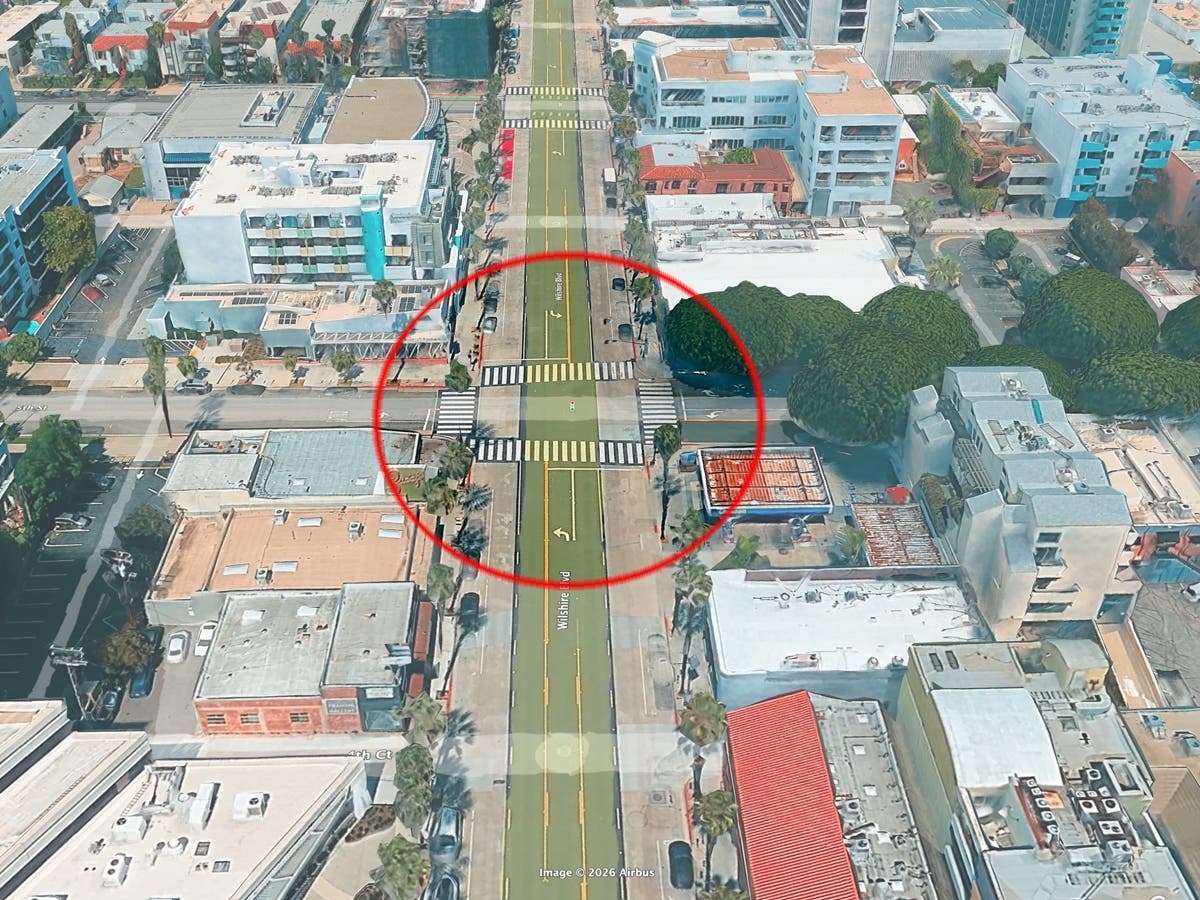
Of course, Latinos are scattered throughout the City of Santa Monica, but a large percentage reside in the Pico Neighborhood, where also there are blacks and whites. The Pico Neighborhood is currently experiencing gentrification and losing its historic character. Poor residents are being forced out as rent-controlled units are sold and torn down for redevelopment, Loya said.
But now “there will be someone from the neighborhood that understands the needs of the residents that will be able to advocate,” she said.
The judge’s decision divides the city into seven voting districts with the Pico Neighborhood at the center. The judge ordered the City of Santa Monica to hold a special election on July 2 of this year and banned from serving on the council anyone only elected previously vote, according to the copy.
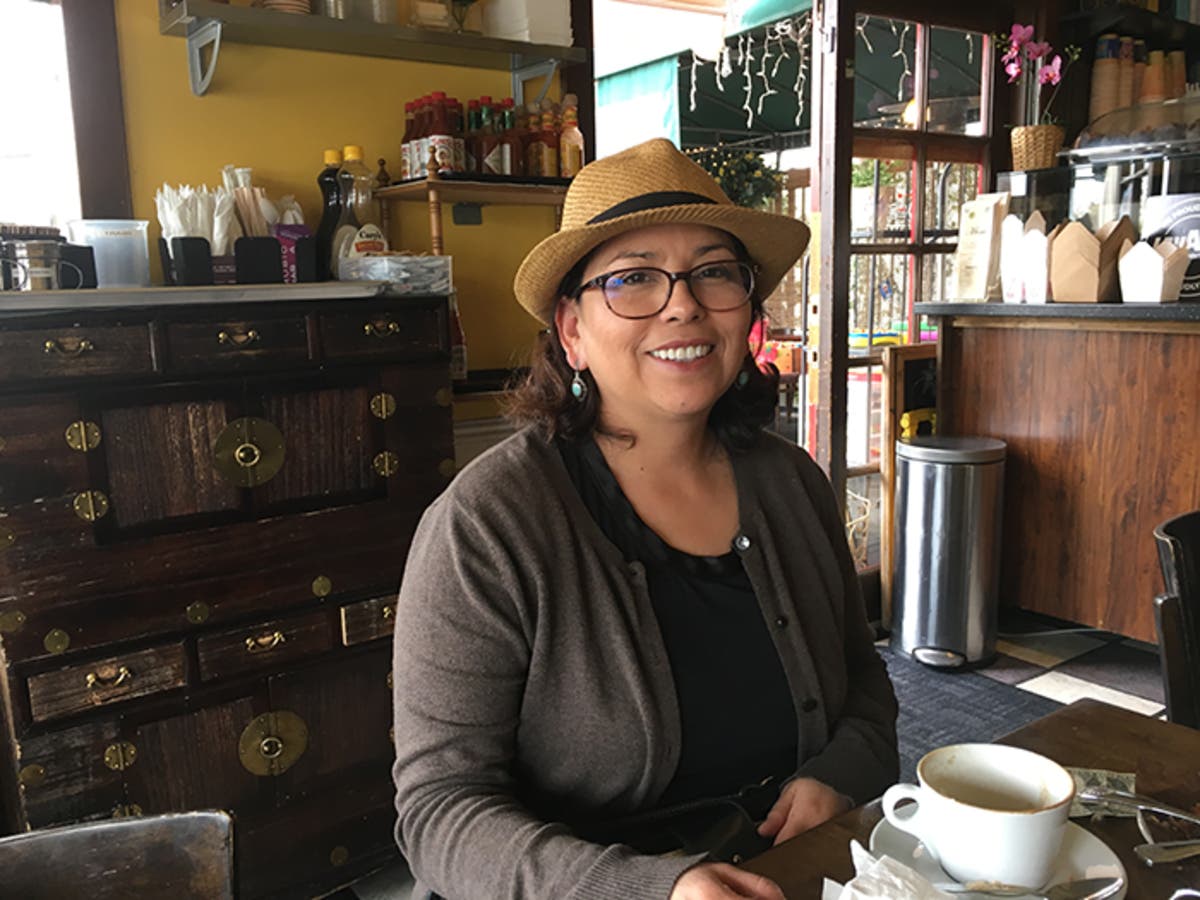
Pictured: Maria Loya at the Lazy Daisy Cafe in the Pico Neighborhood.
Michael Ashcraft teaches journalism at the Lighthouse Christian Academy in Santa Monica.