Politics & Government
Saratoga Tackles Affordable Housing
City appeals housing allocation amount from Association of Bay Area Governments.
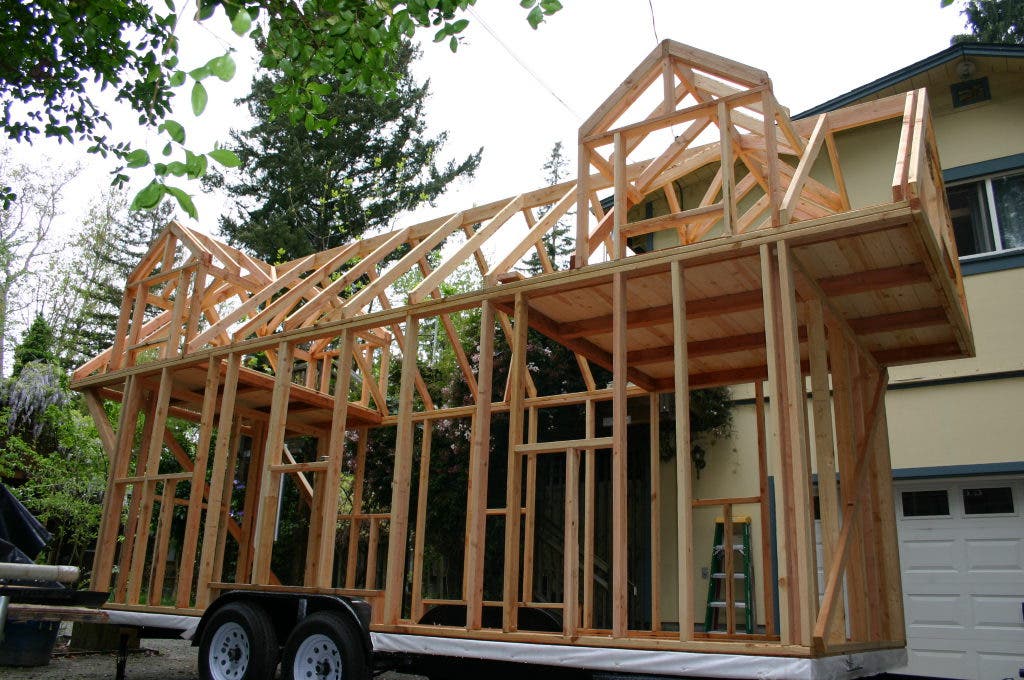
Saratoga is appealing an Association of Bay Area Governments mandate to build 438 housing units by 2022.
“The issue is not affordable housing but the total number of new homes the city is being required to plan for. In its appeal request, the city has asked for no change in the percentage of affordable homes as it relates to the total number of homes planned for in the future,” said Saratoga Community Development Director James Lindsay.
Instead, the city has told ABAG it can reasonable zone for 204, Lindsay said.
Find out what's happening in Saratogafor free with the latest updates from Patch.
Like many towns in the county and region, Saratoga is reacting to California housing laws that impose a certain number of such dwellings be built to comply with the so-called Regional Housing Needs Assessment, or RHNA.
ABAG has recommended Saratoga plan for an additional 438 homes built by the year 2022, according to RHNA.
Find out what's happening in Saratogafor free with the latest updates from Patch.
The current issue at stake is that Saratoga staff believes ABAG did not take into consideration any of the information the city had included in a survey for the RHNA previously this year.
Lindsay said that part of what was included in the survey was that Saratoga “is a built-out residential community with low employment.”
In contrast, ABAG’s Job-Housing Connection Strategy had shown there were 11,870 jobs within the city in 2010 while the U.S. Census Bureau “estimated Saratoga only had 4,194 jobs” that year, according to a staff report about the issue presented to the Saratoga City Council at its Feb. 6 meeting.
The report stated that ABAG predicts a 22 percent increase in employment in Saratoga by the year 2040.
City officials also believe that ABAG has failed to recognize the little public transportation than passes through the municipality.
Lindsay confirmed that there is “limited access to public transit” in Saratoga compared to other nearby cities in the Santa Clara County.
This may result in a higher number of residents relying on their cars to commute to work, which leads to “an increase in regional carbon dioxide emissions” which isn’t consistent with “statewide objectives to improve air quality,” Lindsay said.
The report states that ABAG needs to take city information into consideration before making such high demands when it comes to housing and that housing allocation needs to be in areas where there are higher rates of employment and more access to public transit such as Valley Transportation Authority.
According to Lindsay, cities have to update their “general housing plan elements” set by the Department of Housing and Community Development by December 2014.
Currently, “no zoning changes have been proposed,” Lindsay said.
After the city’s appeal is signed by Saratoga Mayor Jill Hunter, it will be submitted to ABAG and scheduled for review by an ad-hoc committee of ABAG’s executive board, the report stated.
This is set to happen between March 30 and April 4 of this year, and ABAG has to adopt a final RHNA allocation by May 2013.
Editor's Note: This article was written for Saratoga Patch as part of a San Jose State University journalism class assignment. The writer welcomes your feedback, comments. Thank you.