Schools
Mothers With History of Eating Disorders Invited To No-Cost Parenting Program At Stanford
Researchers are recruiting moms with eating disorders for study testing new method to support parents. Provided at Stanford and in Berkeley.


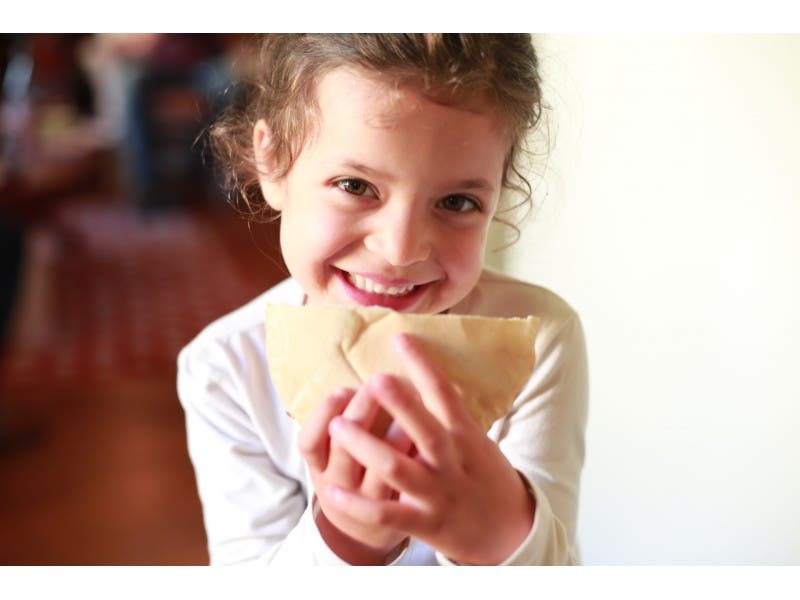
Women who have previously had an eating disorder often struggle to teach their children healthy eating habits, research has shown.
Now, scientists at the Stanford University School of Medicine are testing a new method that may help these mothers form good eating patterns in their young children. The researchers are recruiting families with a child between the ages of 1 and 5 whose mother has had anorexia nervosa, bulimia nervosa or binge-eating disorder in the past. In the 16-week study, the researchers will work with both the mother and her partner to build healthy family interactions around food.
Find out what's happening in Saratogafor free with the latest updates from Patch.
“The data on feeding practices of mothers who have had eating disorders are very worrying,” said Shiri Sadeh-Sharvit, PhD, a visiting instructor at Stanford who is leading the new study. “These mothers are good parents who want only the best for their children, but they struggle with eating-disorder thinking.”
For instance, prior research has shown that mealtime conflict is more common in families in which the mother has had an eating disorder. Additionally, children whose mothers have had eating disorders are more likely than other kids to be dissatisfied with their bodies and engage in emotional eating, binge eating or restrictive eating.
Find out what's happening in Saratogafor free with the latest updates from Patch.
In the new study, the Stanford researchers will meet with families 12 times during the 16-week period, either in Palo Alto or in Berkeley.
The project aims to improve communication about food and healthy eating between women who have had eating disorders and their partners so that both parents can play a positive role in supporting their young children in making healthy decisions. The researchers will help each family identify specific, individualized ways that the mother’s eating-disorder history might affect them and develop techniques to counteract possible problems.
“For one mom, this might mean adding another slice of bread at dinner. For another, it might mean practicing her ability to not say anything to her child about her fears that the child might become overweight,” said Dr. Sadeh-Sharvit.
The study’s principal investigator is James Lock, MD, PhD, professor of psychiatry and behavioral sciences at Stanford and a clinician who treats eating disorders at Lucile Packard Children’s Hospital Stanford.
Families who are interested in participating in the research in Berkeley or Palo Alto can contact Talya Feldman at (650) 723-7885 or tfeldman@stanford.edu for more information.
Image courtesy of Noam Eshel Photography
Get more local news delivered straight to your inbox. Sign up for free Patch newsletters and alerts.