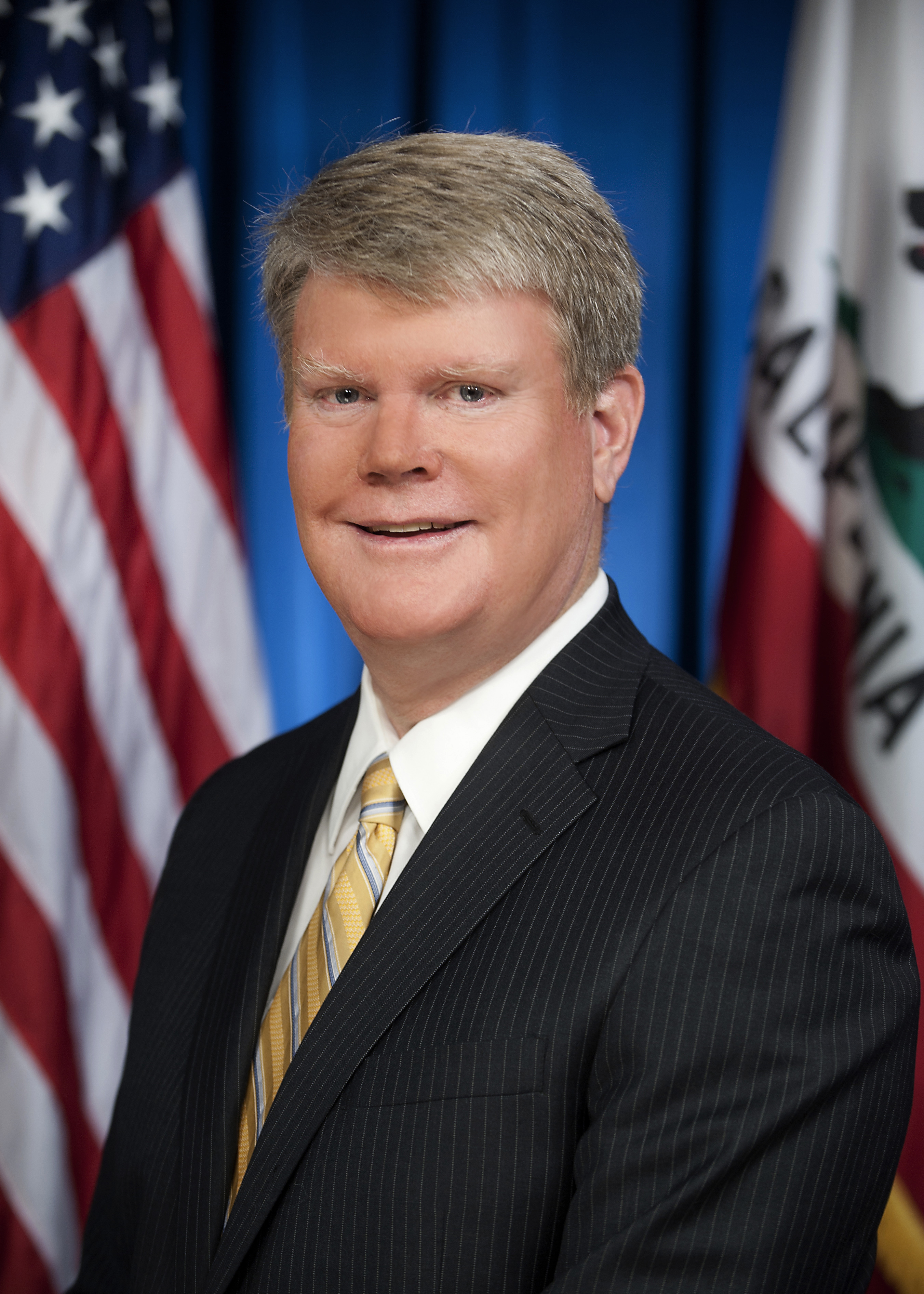
May 27, 2013 (SACRAMENTO) – The California State Assembly has approved legislation by Assemblymember Mark Stone (D-Monterey Bay) to create a reliable, stable funding source to provide long-term safe drinking water infrastructure as well as short-term solutions for communities impacted by nitrate contamination. AB 467 would establish the Freshwater Protection Fund in the State Treasury, under the administration of the State Water Resource Control Board. The bill passed out on a bipartisan vote of 73 to 1.
Assemblymember Stone was prompted to introduce AB 467 after reading a UC Davis report entitled Addressing Nitrate in California Drinking Water, requested by the State Water Resources Control Board. The Board used the findings to write their own report to the Legislature in order to comply with SBX2 1 (Perata-2008). The primary recommendation in this report was to establish a funding source to ensure that all Californians have clean drinking water. The report can be viewed in its entirety at http://groundwaternitrate.ucdavis.edu/.
“Communities throughout California are currently without safe drinking water due to nitrate-contaminated groundwater. Many of these communities lack the resources to address the issue, and currently the state does not have the infrastructure or a dedicated fund to assist with providing clean drinking water,” stated Stone. “AB 467 will provide a long term sustainable fund to assist these communities in assuring they have safe drinking water. The bipartisan support the bill received is a significant step towards that goal.”
One community with contaminated water, Springfield Terrace, is in Assemblymember Stone’s district in Monterey County. Wells in this community have nitrate levels that have been above the 45 parts per million (ppm) level set by the California Depart of Public Health since 1986. At this time some of this community’s wells have nitrate levels reaching 300 ppm. Residents of this predominantly farm worker community do not have the financial capacity to absorb increased water rates in order to finance the replacement of their contaminated well nor can they afford to travel 20 miles roundtrip to purchase water for daily use.
The money in the fund created by AB 467 can be used for “direct” and “indirect” assistance. Direct assistance includes, but is not limited to, the provision of alternate non-community water supplies, closures of wells impacting groundwater, and monitoring of private wells and grants. Indirect assistance includes, but is not limited to, public education, evaluation of management practices, and other research.
"Too many communities have had to go a decade or more without safe drinking water because of nitrate contamination. This bill would create a source of funding to address this problem. This is long overdue and vitally needed,” stated Laurel Firestone, co-executive director of the Community Water Center.