Politics & Government
Council Hears From Metro on Bus Cuts to the Area
Cuts will be limited in San Lorenzo Valley, but the discussion still stings area ears.
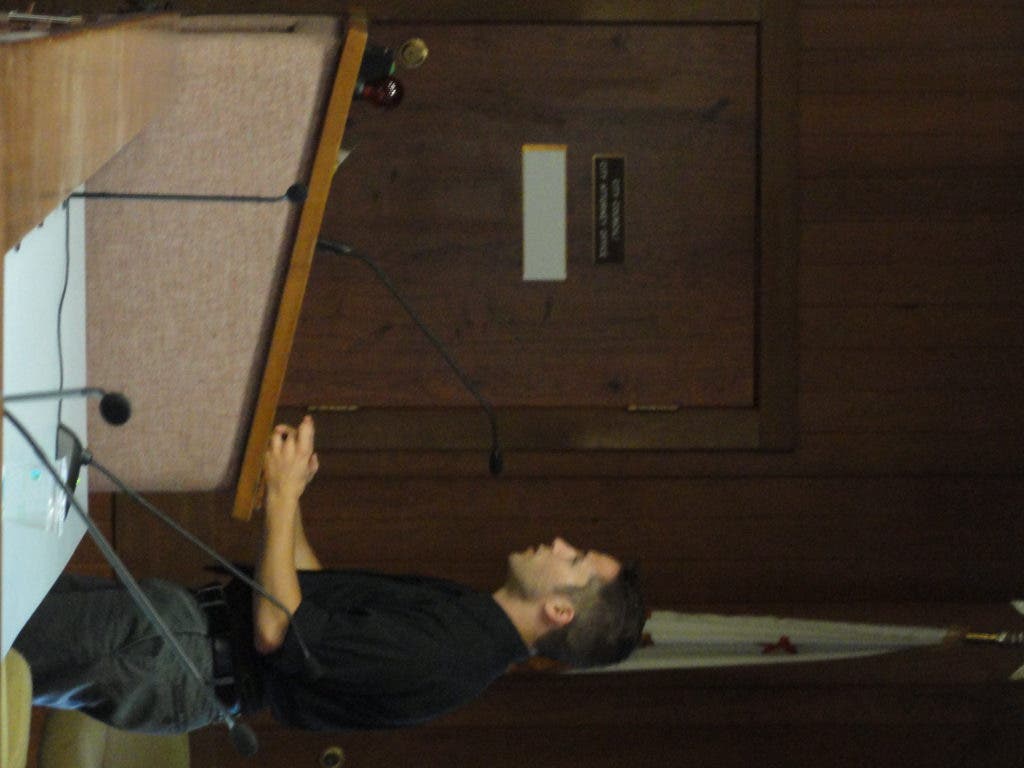


The Santa Cruz Metro Transit District's proposed service cuts to make up a $1.44 million shortfall for fiscal year 2011-12 were laid out to the Scotts Valley City Council on Wednesday night by Metro transportation planner Erich Friedrich.
Friedrich received encouragement from the council, including vocal support from members Stephany Aguilar and Jim Reed.
The final vote on the proposal will be at the Santa Cruz City Council Chambers, June 24 at 9 a.m.
Find out what's happening in Scotts Valleyfor free with the latest updates from Patch.
Proposed cuts affecting the San Lorenzo Valley include:
• Routes 33 and 34, which serve Scotts Valley and Felton, will run only four times a day instead of the current six trips, and the afternoon departure of the 34 will leave at 3:20 p.m. rather than 2:35 p.m.
Find out what's happening in Scotts Valleyfor free with the latest updates from Patch.
• Route 35/35A will run every hour instead of the current half-hour intervals during the afternoon. In the evening, the schedule will be adjusted with departures every hour and 15 minutes, as opposed to every hour as it is now.
• The latest 35A will leave Santa Cruz at 10:30 p.m., cutting out the night departure that leaves Santa Cruz for the valley at 11 p.m.
The Metro suffered cuts of 10 percent last year and is now forced to deal with further cuts of 12 percent, which is causing the district to confront the reality that serving the wide geographic area it once did is impossible. The plan ensures that 4 percent of the county—service to Big Basin above the Boulder Creek Country Club—will no longer hear the distinct sound of Metro buses beyond Sept. 15, when cuts go into effect.
“It's like taking a 50 percent pay cut over four years,” Friedrich said in regard to the declining revenue to the transportation district since its last peak budget in 2007.
During the recession of the past four years, a combination of plummeting state sales tax revenues—a primary source of local transportation funding—combined with what state officials have said are temporary delays in payments of funds have crippled the Metro's ability to maintain service or modernize its infrastructure. The debt owed to Santa Cruz County from the state for public transportation is approaching $40 million, according to Metro officials.
“We have buses with a million miles on our streets,” Metro legislative analyst Tove Beatty said.
Under AB 32, California's state greenhouse gas emission law, local government agencies have been ordered to switch to buses running on cleaner energy, such as natural gas. However, $19 million in funds earmarked for this evolution have not arrived in local hands, despite two court cases telling the state they are in violation of the law by withholding the money.
There are 43 diesel powered buses that are out of date on the roads throughout the county, according to Friedrich. Not only would this switch clean up the air, but it would create hundreds of jobs for 18-24 months and increase revenue in income taxes, lower unemployment and result in more sales tax for the state once those workers get their paychecks, Beatty added.
Unfortunately, Friedrich added, there is no government agency that can force the state to hand over the money it owes, even though the courts have ruled in favor of the suit brought by dozens of counties throughout California.
“We would love to get that money, but we will probably never see it,” Friedrich said.