Schools
Head Lice Treatment, Prevention Tips as Kids Head Back to School
Here are the FDA's newest tips for head lice prevention, detection and treatment.
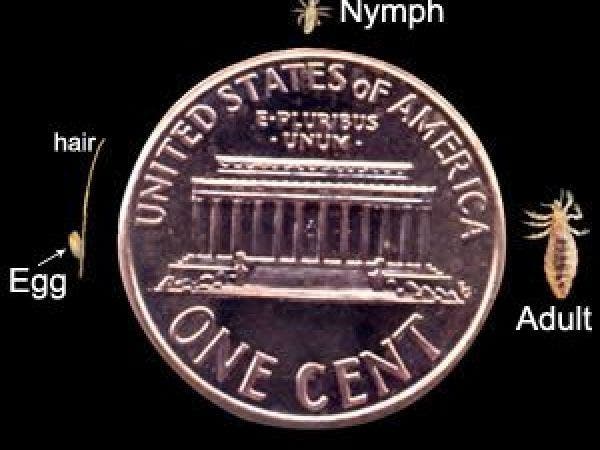
LOS ANGELES COUNTY, CA – By now, children have left the often solitary living of summer and have returned to schoolyards. They'll be rubbing heads as they tussle or climb on playground equipment, and many parents will be pulling out the lice brushes for another season.
Head lice arrive year-round, but the number of cases peaks as kids return to school in the fall and then again in January after the winter school break. There are up to 12 million cases of head lice infestation each year in the U.S. on the itchy scalps of children ages 3 to 11, according to the Centers for Disease Control and Prevention.
Lice can spread by direct head-to-head contact between two people and tend to travel from child to child as children play closely together.
Find out what's happening in Sherman Oaksfor free with the latest updates from Patch.
With most students back in school by the day after Labor Day, the CDC released new tips Tuesday on treating and preventing head lice.
Head Lice Prevention:
Find out what's happening in Sherman Oaksfor free with the latest updates from Patch.
- Teach children to avoid head-to-head contact during play and other activities at home, school and elsewhere (sports activities, playgrounds, slumber parties and camps).
- Teach children not to share clothing and supplies, such as hats, scarves, helmets, sports uniforms, towels, combs, brushes, bandanas, hair ties and headphones.
- Disinfest combs and brushes used by a person with head lice by soaking them in hot water (at least 130°F) for 5–10 minutes.
- Do not lie on beds, couches, pillows, carpets or stuffed animals that have recently been in contact with a person with head lice.
- Clean items that have been in contact with the head of a person with lice in the 48 hours before treatment. Machine wash and dry clothing, bed linens and other items using hot water (130°F) and a high heat drying cycle. Clothing and items that are not washable can be dry-cleaned or sealed in a plastic bag and stored for two weeks.
- Vacuum the floor and furniture, particularly where the person with lice sat or lay. Head lice survive less than one or two days if they fall off the scalp and cannot feed.
- Do not use insecticide sprays or fogs; they are not necessary to control head lice and can be toxic if inhaled or absorbed through the skin.
- After finishing treatment with lice medication, check everyone in your family for lice after one week. If live lice are found, contact your health care professional.
Head Lice Detection:
Head lice are blood-sucking insects about the size of a sesame seed and tan to grayish-white in color. They attach themselves to the skin on the head and lay eggs (nits) in the hair.
According to Food and Drug Administration dermatologist Patricia Brown, check for head lice or nits by parting the hair in several spots. Use a magnifying glass and a bright light to help spot them. Because head lice can move quickly it may be easier to spot the nits. Nits can look like dandruff but can be identified by picking up a strand of hair close to the scalp and pulling a fingernail across the area where a nit is suspected. Dandruff will come off easily, but nits will stay firmly attached to the hair, Brown explained.
Head Lice Treatment:
FDA-approved treatments for head lice include both over-the-counter (OTC) and prescription drugs, such as Nix and Rid, in the form of shampoos, creams and lotions. “Many head lice products are not for use in children under the age of 2, so read the label carefully before using a product to make sure it is safe to use on your child,” Brown said.
Although OTC drugs are available for treatment of head lice, Brown said your health care professional may prescribe drugs approved by the FDA, such as Ulesfia, Natroba or Sklice.
Follow these steps to use any head lice treatment safely and appropriately, according to the CDC:
- After rinsing the product from the hair and scalp, use a fine-toothed comb or special “nit comb” to remove dead lice and nits.
- Apply the product only to the scalp and the hair attached to the scalp — not to other body hair.
- Before treating young children, talk with the child’s doctor or a pharmacist for recommended treatments based on a child’s age and weight.
- Use medication exactly as directed on the label and never more often than directed unless advised by a health care professional.
- Use treatments on children only under the direct supervision of an adult.
For more information, visit: www.cdc.gov/parasites/lice.
By Sharon Reed (Patch Staff)/Image: Centers for Disease Control