Community Corner
Winter Garden Checklist: Keep Plants Hydrated
Semi-Drought conditions throughout California are a reminder to make sure plants receive adequate water during the winter months.
With local temps topping 72 degrees recently, long stretches of daylight hours seem downright spring-like. Yes, it’s prudent to wear sunscreen. But no, don’t throw down your garden tools and kick back in vacation mode.
Winter in Southern California is one of the best seasons to work in the garden. Temps are lower and the sun’s rays are less intense, slowing selected growth cycles. Many favorite plants are dormant now or heading that way (roses, camellias, bermudagrass). Ever-bearing plants like citrus produce fewer new leaves, and pest populations are hibernating as larvae or pupae.
Find out what's happening in Sierra Madrefor free with the latest updates from Patch.
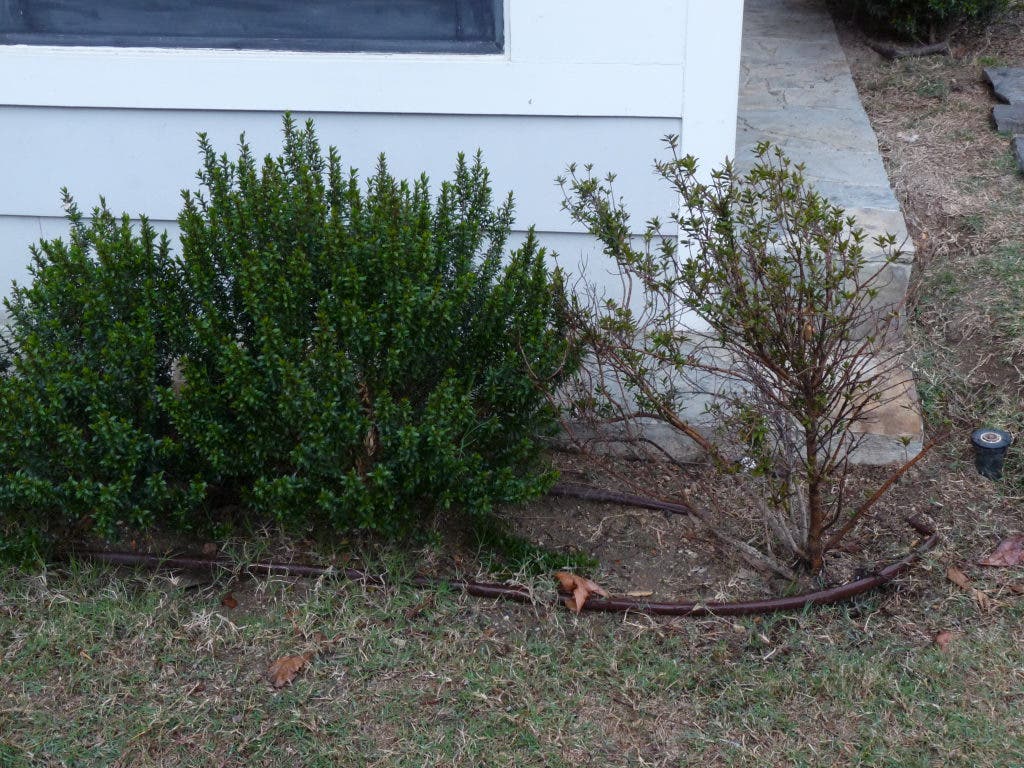
Some gardeners assume nature will care for plants through the mild winters. Don’t look now, but those same tenders will be replacing shriveled shrubs in the spring. The most common cause of winter plant failure is drought-stress.
Drought issues seem counter-intuitive in winter, yet according to the National Climatic Data Center website, California had its second driest December on record. As of January 3, 2012, California is experiencing moderate drought conditions.
Find out what's happening in Sierra Madrefor free with the latest updates from Patch.
The NCDC has also recorded below normal temperatures for Southern California thus far in January and predicts more of the same through February and March.
Balmy, short days coupled with winter nighttime temperature dips of 30 degrees or more can stress plants. Add winter winds which dry leaves, preventing them from making carbohydrates to sustain the plant’s health and growth.
Before opening the sprinkler valves, do a simple soil test. With a hand trowel, dig a hole 8’ deep in garden bed or lawn. Take a handful of soil and clench it tightly. Slowly open your hand. If the soil sticks together, retaining the shape of your fist, the soil is holding water. Sniff the soil to detect an earthy scent. A rotten vegetable smell could mean shrub, tree or lawn roots are water-logged in this section of garden, a condition which needs correction.
Crumble the soil. If it clumps together in clay-like clods, you may be watering too often or you might need to add organic matter to create air-filled pore spaces. If the soil crumbles evenly and is a rich brown, with earthworms present, your soil is probably draining well. Check soil moisture each week during the winter, and adjust watering schedules according to wind and weather.
For gardeners enjoying the possible last-hurrah of the lawn, do not turn off sprinklers entirely during the winter months. Instead, reduce watering days to once or twice a week. Manage water usage by properly caring for you lawn. Lawns develop deeper roots with slow, deep watering and annual or biannual aerating. Deep roots means ability to extract more water from the soil, rather than relying on constant surface irrigation.
Core aerators are available for rent at local garden centers or rental yards for about $65 to $100 a day plus a delivery charge if you don’t have a van or truck Make sure to get instructions on how to operate these gas-powered machines. They are heavier, noisier and move faster than lawn mowers. Unlike lawn mowers, aerators help prevent soil compaction and anaerobic conditions for lawns and neighboring shrubs.
Or, skip the gym and the gasoline altogether, and poke evenly-spaced rows of holes into your lawn with a garden fork. Time consuming, but effective. For a healthy lawn and for losing those newly acquired holiday pounds.