Schools
Parents Should Watch What Kids Play, Local Educators Say
The U.S. Supreme Court struck down a California law that would make it illegal to sell or rent violent video games to minors. Did it make the right decision?


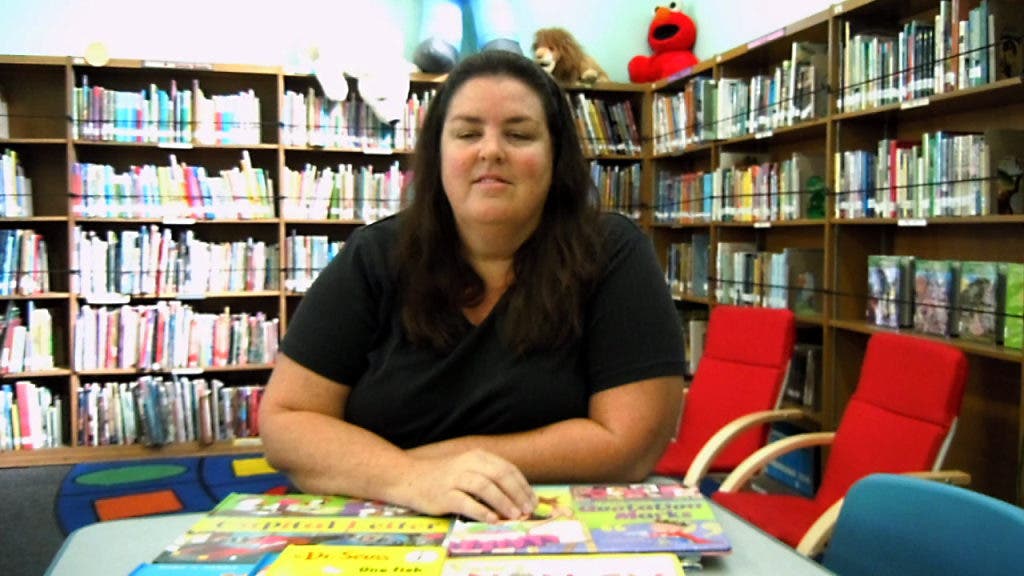


Local educators weighed in Monday on the U.S. Supreme Court's decision to strike down California's ban on selling violent video games to minors.
"Maybe we should limit what the adults should buy," joked retired teacher Vicki Nishimura, who still helps out at Valley public schools after teaching for 43 years.
"I think what people should do is limit the amount of time their children are on these games," she said.
Find out what's happening in Studio Cityfor free with the latest updates from Patch.
"Kids can get these games anyway," said , principal of . "The whole issue goes back to what is the parental role of the family and it should not be about censorship. What responsibility do the parents have in monitoring what games their children are playing."
By a 7-2 vote, the Supreme Court on Monday upheld rulings by U.S. District Judge Ronald Whyte of San Jose in 2007 and the 9th U.S. Circuit Court of Appeals in San Francisco in 2009 that struck down the law, passed by the California Legislature in 2005. The law, banning the sale or rental of violent video games to anyone under age 18, was authored by Sen. Leland Yee (D-San Francisco/San Mateo), who was then an assemblyman. The legislation was blocked from going into effect by an injunction.
Find out what's happening in Studio Cityfor free with the latest updates from Patch.
The Supreme Court ruling stemmed from a lawsuit filed in federal court in San Jose in 2005 by two industry groups, the Entertainment Merchants Association and the Entertainment Software Association.
The court majority said the games are protected by the First Amendment right of free speech.
Justice Antonin Scalia wrote, "Like protected books, plays and movies that preceded them, video games communicate ideas—and even social messages. That suffices to confer First Amendment protection."
School librarian Carole Cain, who also blogs for Patch, said that her son, now 18, played those games when he was younger.
"Maybe I was a bad parent for not monitoring him more, but I didn't, and I think I am the norm," Cain said about her son Shannon. "But he is not playing them anymore, he grew out of them, and he's not a serial killer."
Valley View's Kim said it is important that children understand the separation between reality and the fantasy games, and at one point the WWF wrestling games created a problem with students because they wanted to reenact the wrestling moves in real life on the campus.
"Ultimately, the lawmakers identified a problem, and that is good, but I think again, it falls on the responsibility of the parents," Kim said.
Get more local news delivered straight to your inbox. Sign up for free Patch newsletters and alerts.