Schools
Local Principals Aware of Seismic Dangers, but Feel Prepared
Principals of local public schools feel confident that measures are in place to protect children, despite some projects that still need completion. Trouble spots identified at Carpenter, Walter Reed and Rio Vista.


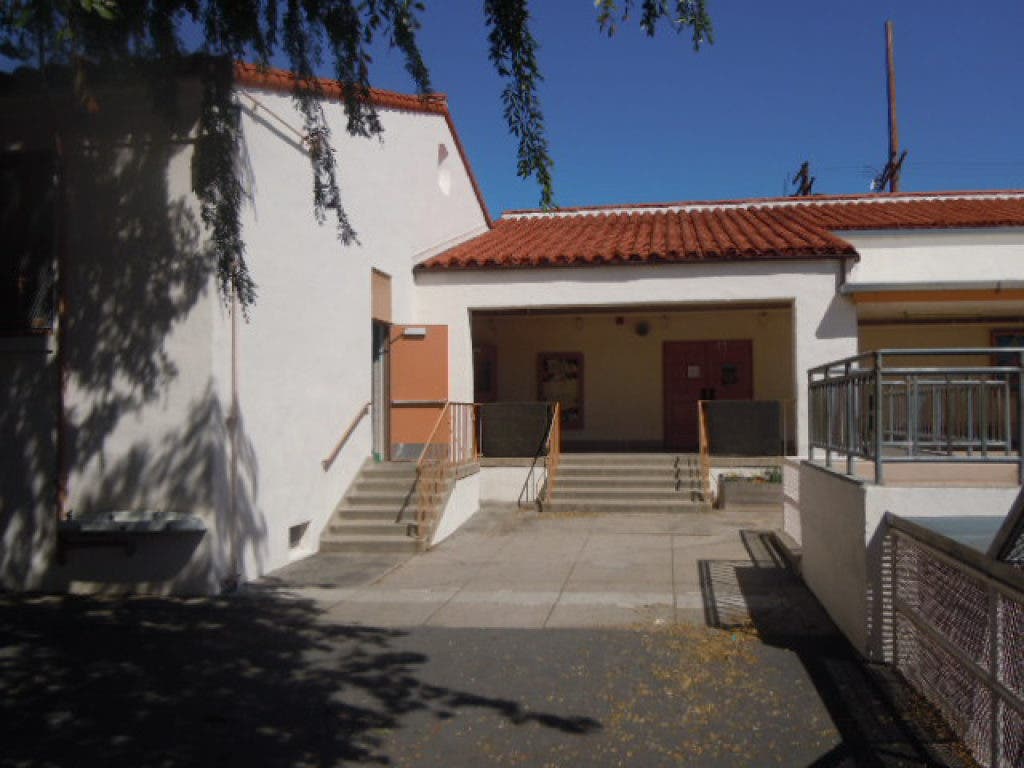


Public school principals in the North Hollywood, Studio City and Toluca Lake areas told Patch that they are aware of some of the seismic concerns that exist on their campuses, which are identified in the California Watch report, but feel confident that there is no imminent hazard.
“Yes, I know that we are situated in a liquefaction zone, and yes, I know we are a quarter of a mile from a landslide zone, and just last week the entire staff was trained about the ‘zippering effect’ that occurs in an earthquake,” said Joe Martinez, principal of Carpenter Community Charter School. “We had this comprehensive training last week so that we can learn about what happened in Japan and keep everyone safe.”
Carpenter is scheduling a drill for Thursday to remind all the students and staff what to do in case of an emergency.
Find out what's happening in Studio Cityfor free with the latest updates from Patch.
But, two buildings on the Carpenter campus are deemed as projects that were once high “Letter 4” priorities, but now downgraded to a “Letter 3.” One of those buildings is the Administrative Building. In 2007, it was estimated to cost more than $1 million to fix the “masonry or concrete-wood floor” in the building that is “likely not to perform well in an earthquake.”
That building has been there since 1938, according to records, and building flexible floors is not on the upcoming plans for Carpenter, but within the next three years, improvements to the Lunch Shelter will be fixed.
Find out what's happening in Studio Cityfor free with the latest updates from Patch.
“We know that they’re scheduling some renovations to the pavilion in three years, and they are planning to remove the bungalows at some point,” Martinez said. “I don’t hold my breath on things like this.”
The Lunch Shelter, built in 1957, needs reinforcement of its steel cantilevered columns and a wood roof, which are estimated to cost nearly $84,000.
As with the other schools in the Los Angeles Unified School District recently, engineers and administrators have met with school officials in design meetings to show proposals for revisions to the schools. Money for these school renovations will come from Measure Q funds, earmarked solely for building-safety improvements at schools.
“I have not told my parents or staff about any of the plans yet, because a lot still needs to be figured out,” Martinez said. His charter school’s Governance Council made up of teachers and parents, will decide, for example, if the additional building planned for campus will be one story or two and how to rearrange the bungalows during the building phase.
“Right now I’m worried about how I’m going to find space for the children to play when they want to add more bungalows during the construction,” Martinez said. Again, he said, he’s not holding his breath.
At Rio Vista Elementary School, at the east end of Studio City, the 424-student school has one building, built in 1937, that needs wall supports and a more flexible roof. Estimated to cost $945,000, the Classroom 1 Building has the classic Spanish tile roof and it’s deemed “not likely to perform well” in a serious temblor.
It’s not considered to be in imminent danger (a Letter 4), but Principal Kevin McClay said district architects and engineers were checking the safety of the buildings in the past few weeks and planning future projects.
“The building looks pretty solid, but don’t quote me on that, because I’m no engineer,” said McClay, who became Rio Vista’s principal two years ago. “They did want to do something to our lunch pavilion and talked about other minor structural problems, so I think they will cover anything they see that may be hazardous.”
Walter Reed Middle School showed two projects that needed work: concrete reinforcement in the main Administrative Building (at a cost of about $2.5 million), and in the Science and Classroom Building (about $1.6 million). Some reinforcement was done in the main Administrative Building and the danger levels were reduced.
Reed Principal Donna Tobin said, “At this time I don’t know of anything that is planned, but that doesn’t mean anything." She added that Walter Reed is planning emergency drills in the next few weeks with students, and she is aware that the school is in a liquefaction zone.
Tobin wavered back and forth purposefully as she stood and said, “As far as the liquefaction—what are you going to do about it?”
It’s true that principals are often the last to know about a major school renovation. The previous principal at Valley View Elementary School (which serves residents of east Studio City and Cahuenga Pass) was told only days before that all the bathrooms would be replaced. New Principal Susan Kim received plans last week for a revamping of the tiny campus with a new one-story classroom building and a 32-car underground parking garage.
“All these renovations are supposed to take place with the Measure Q money and be done by 2013,” Kim said.
Her school of 250 is situated on a hill above the 101 Freeway, where large boulders fall and block Cahuenga Boulevard during major downpours.
“I worry about it all the time, that our school will fall onto the freeway, but engineers are out here regularly and they say we are pretty steady and nothing is moving,” Kim said.
Valley View is 94 years old, but most of the buildings were constructed in the late 1950s. The new plans take away four of the bungalow classrooms and replace them with a permanent building. Meanwhile, parents and teachers have formed a diligent safety committee, to work out plans for emergency situations.
“We were reminded with the recent lockdowns in other schools that even if you think you’ve got everything planned out, there’s always something that you didn’t think of,” Kim said. “I think we’re good here with supplies for food, bathrooms, emergency kits and things like that, but we haven’t yet figured out how to handle the parents who are going to run to the campus to get their kids, and how we are going to do that without creating chaos in the neighborhood.”
“Concerned parents rushing to the school to get their children, and trying to figure out how to get them out in an orderly manner—now that’s the real dangerous situation,” she said with a laugh.
Read more about the California Watch project:
*
*
*
*
*
Get more local news delivered straight to your inbox. Sign up for free Patch newsletters and alerts.