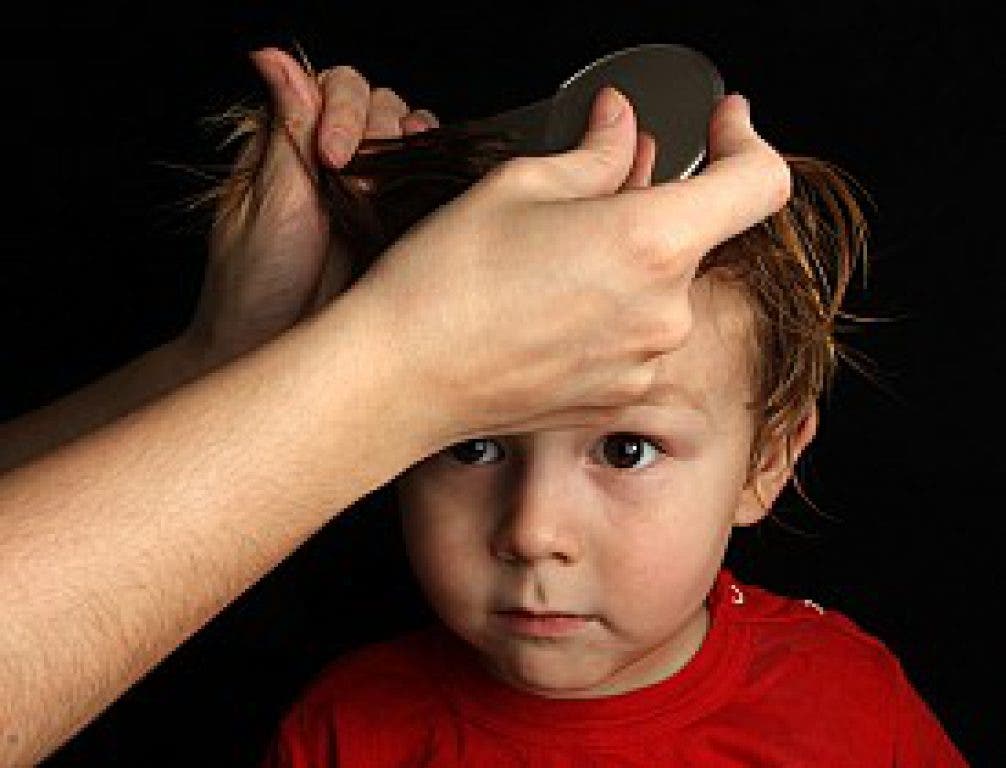


No one wants to know it, no one wants to hear about it, but yes, there's a lice infestation in the East Valley and schools are getting hit with the bugs.
Two principals already begged Patch not to name their schools for fear of setting up a scare, but they are warning their population quietly about how to deal with the lice among the students.
The stigma is worse than bedbugs, or fleas, or the bubonic plague.
Find out what's happening in Studio Cityfor free with the latest updates from Patch.
But the reality is, if you don't want your kids to get lice from their classmates in the next few weeks, send the to school with dirty greasy hair. Lice like clean hair.
Here are some myths about lice from Parenting.com and their Report says kids with lice shouldn't skip school.
Find out what's happening in Studio Cityfor free with the latest updates from Patch.
The rule for Los Angeles Unified School District schools is that if there are live bugs found in a child's hair, they are immediately separated from the school population and their parents are called to take them home to get treated. They should remain home until they are clear of the bugs in the hair.
"If we find only 'nits' which are eggs in the hair, then LAUSD says they should still stay in the classroom because there are not live bugs, but there is a note sent home to the parents," said Valley View Elementary School principal Susan Kim.
Children with lice do not mean their hair is dirty—in fact, unwashed hair is a deterrant to lice. It does not mean the child comes from an unsanitary environment, or evidence of other diseases.
As Kim puts it, "There is a stigma about lice, and when I see the children in the nurse's office, I tell them that it's OK because I got it as a child, too."
Cutting off the hair is not always a solution because the scalp needs to be treated, too.
Animals do not carry lice, so your dogs and cats and hamsters don't need to be treated.
Also, stuffed animals do not need to be washed, they could be sequestered in a separate area (even put in a sealed plastic bag) for two days and without food, the lice will die.
Here are myths and other links for help:
Myth 1: Lice are incredibly contagious.
Fact: It takes close, head-to-head contact for lice to spread, says Dr. Barbara Frankowski, a professor of pediatrics at the University of Vermont College of Medicine. Plus, lice can live on an object like a comb, hat, or pillow for only about 24 hours--a very small window of time.
Myth 2: Lice are resistant to the available treatments.
Fact: Many over-the-counter remedies usually work fine, insists Dr. Frankowski, as do homespun fixes. She recommends applying Cetaphil cleanser to the head and leaving it on overnight to suffocate the lice. Then shampoo, and comb out the dead pests. The key is to repeat whatever treatment you choose at least twice (a third time might be necessary), spaced a week apart, to ensure you get any eggs that may hatch in the interim.
Myth 3: If your child gets lice, you need to wash everything.
Fact: "It can't hurt to wash bedding and hats, " says Dr. Frankowski, noting that one study found lice on only 4 percent of the pillowcases of infested people. "But you don't need to go to Herculean efforts to clean everything."
Myth 4: Lice are a sign of bad hygiene.
Fact: The tiny insects don't signal that your kid is "dirty," and they don't harm him in any way. Point is: Relax! If lice happen, you deal, and life goes on.
Here are some of the best sites about lice:
* Expert advice on getting rid of lice.
* From KidsHealth.com
Get more local news delivered straight to your inbox. Sign up for free Patch newsletters and alerts.