Community Corner
Butterfield Overland Trail Elevated To National Historic Status
If you've driven from San Francisco to the Arizona border you may have heard of the Butterfield Overland Trail, but the history goes deeper.


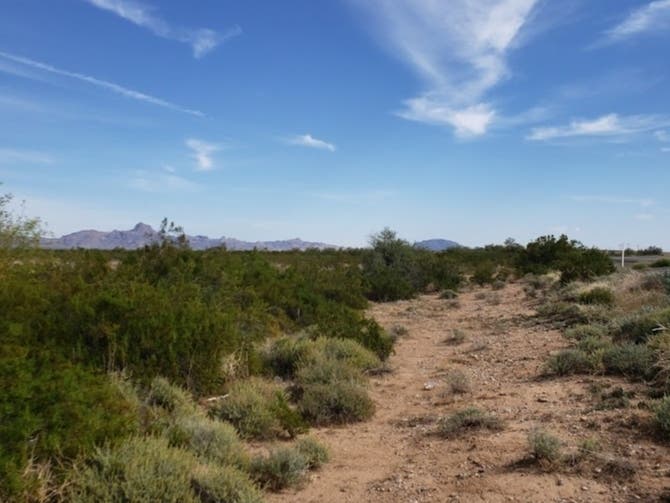
TEMECULA, CA — The entirety of the Butterfield Overland Trail was named a National Historic Trail in January, including the portions that run through Southwest Riverside County. Signed into law by President Joe Biden, the original legislation was sponsored by U.S. Sen. John Boozman of Arkansas and has been in the works since 2013.
"The Butterfield Trail helped facilitate America's westward expansion and symbolizes the pioneering spirit we still seek to embody. Designating it as a national historic trail will help future generations identify it with our nation's growth and development," Boozman said.
According to the official declaration, no land will be acquired for the National Historic Trail designation and no buffer zones will be created to protect trail areas still in existence. Still, the Riverside County Parks has been planning for a recreational trail alignment through Temescal Valley since 2013, according to a report from that organization. The hope is with the declaration, grant monies to expand on the trail plans will come into play, according to those familiar with the project.
Find out what's happening in Temeculafor free with the latest updates from Patch.
The original Butterfield Overland trail, known as the Ox-Bow Route, was 3,292 miles long and allowed mail service and westward expansion from September 1858 to March 1861, according to a report from the Herald Review.
The original trail allowed the transport of mail and passengers between the eastern termini of St. Louis, Missouri, and Memphis, Tennessee, and extending westward through the States of Arkansas, Oklahoma, Texas, New Mexico, and Arizona, into the Temecula area until reaching the western terminus of San Francisco, California.
Find out what's happening in Temeculafor free with the latest updates from Patch.
Driving across the country, you'll see reminders of the Butterfield Overland Trail, in road names and historical markers. Butterfield Stage Road and Overland Drive are both names of Temecula streets, a homage to the days of old. Parts of the original trail remain accessible today in Temecula, which can be attributed to the successful historic renovation of the Vail Ranch Headquarters site.

Local historians believe that Temecula's Vail Ranch site has the only remaining "urban segment" of that trail, according to Rebecca Farnbach.
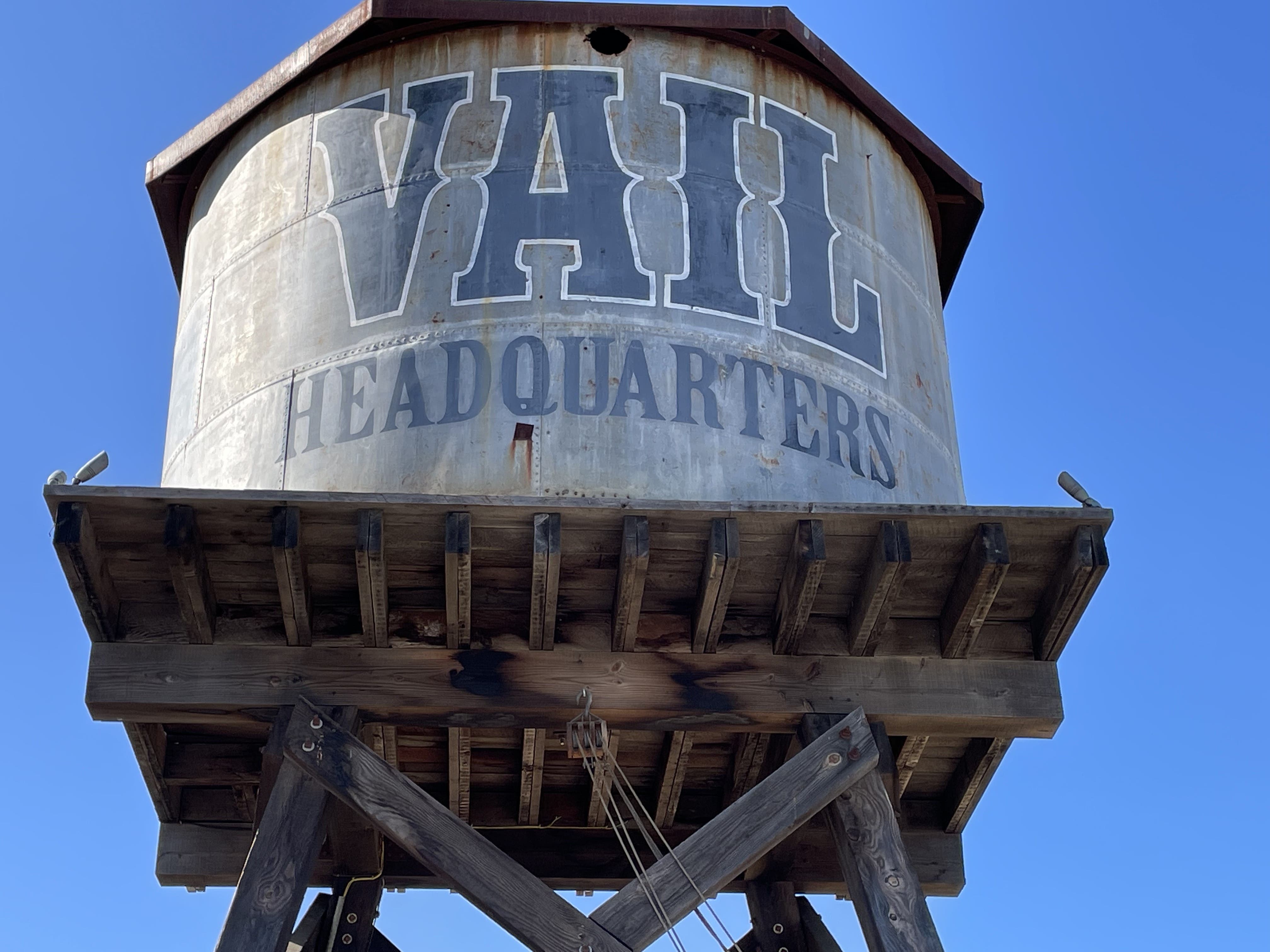
"During the renovation of the site, we made sure to keep the trail intact," Farnbach said. "When you step onto the property under the arch, you are on the trail, all the way to the back of the property between the blacksmith shop and Pizzeria."


To the west, Riverside County Parks and partner agencies are planning a navigable trail for local use, a plan in the works since 2013.

According to the City of Temecula website, a story from Tom Hudson discusses the Butterfield Stage Trail as it went through Temecula.
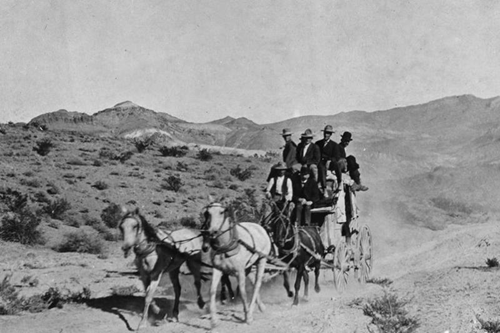
The first stage, eastbound from San Francisco, stopped for a change of horses at Temecula, probably during the night of September 18, 1858.
On board, in addition to the drivers, was G. Bailey, special agent for the Post Office Department. During the next three weeks two stages each week from San Francisco paused at the Magee Store long enough for horses to be changed and drivers, with an occasional passenger, to refresh themselves and satisfy their hunger.
The food may have been served by Magee or his helpers, or it may have been served at the nearby Apis home.
The Butterfield stages followed the old Southern Emigrant Trail with stops at Carrizo, Vallecito, San Felipe, Warner Springs, Oak Grove, Aguanga, Temecula and Lake Elsinore.
The Butterfield stages lasted for less than three years. The Butterfield stage never stopped at the Wolf Store, although the Wolf store was a later stage stop. Other stages and other routes served Southern California beyond the Butterfield era.
Get more local news delivered straight to your inbox. Sign up for free Patch newsletters and alerts.