Schools
English Scores Rise as Number of English Learners Shrinks
For three years in a row, English scores went up while the number of English learners went down.

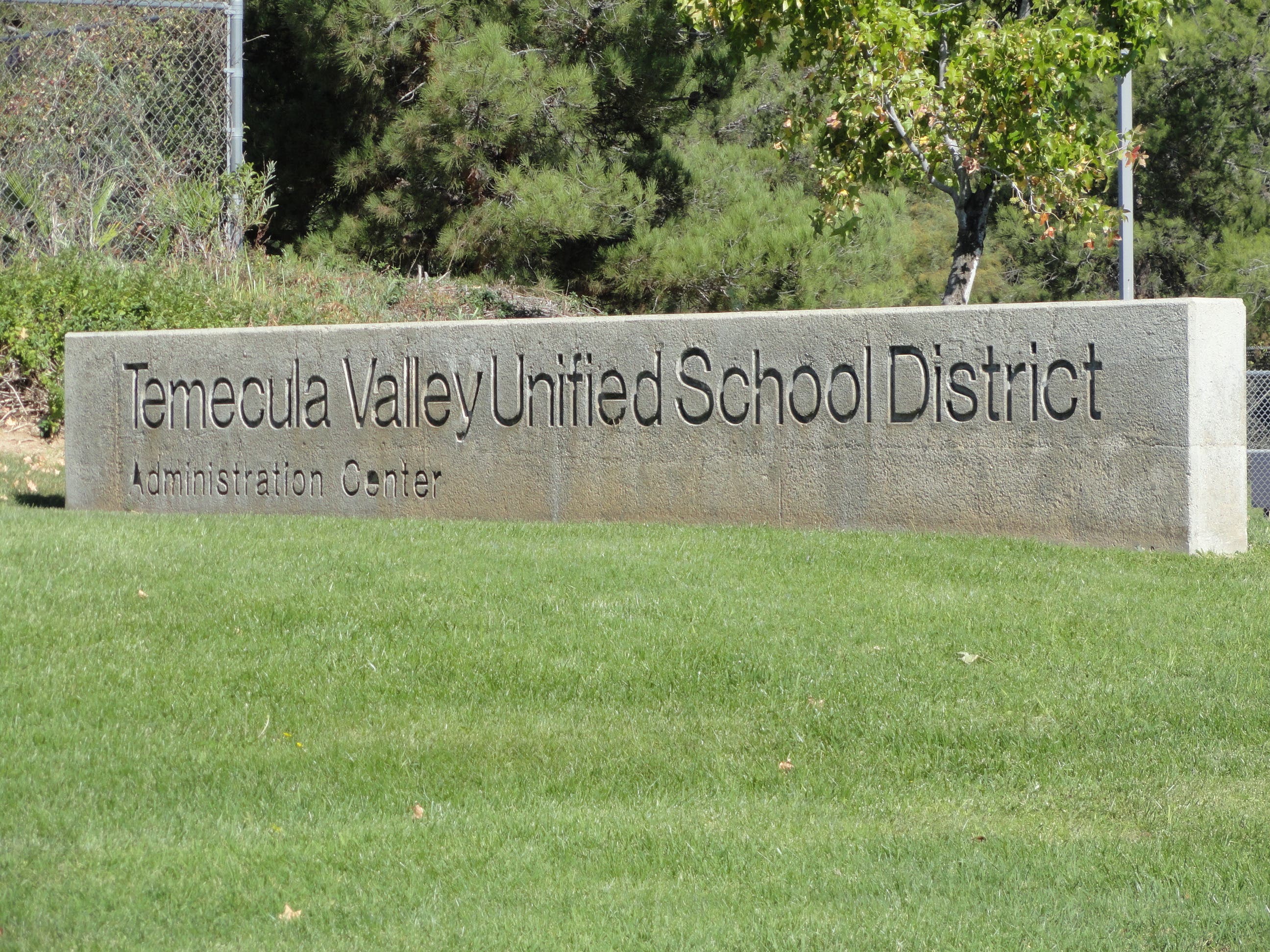

For three years running, Temecula students' English test scores rose while the number of English learners shrank.
In 2008, 20 percent of high school juniors scored high enough on the Early Assessment Program test to fall into the college-ready category, according to records.
In 2009, that number bumped up to 22 percent. This year, the percentage was 29 percent.
Find out what's happening in Temeculafor free with the latest updates from Patch.
While English scores went up, the number of students enrolled in the English-learners program went down.
In 2008, 2,267 English learners were in the district, according to California Department of Education records. In 2009, that number dropped to 2,131. This year, it went down to 2,051.
Find out what's happening in Temeculafor free with the latest updates from Patch.
At first glance, the test scores seem to be caused by the disappearance of English learners, but this may not be the case, said Diana Damon White, the district's director of special programs.
A third cause might be causing both. "When (English learners) become proficient, they exit the program," she said.
As for the precise cause, "there's no way to know," she said, but she would like to think it's the latter.
"One of our goals is to get our kids into these higher levels of math classes," she said.
Over the last three years, the district put extra effort into perfecting its English curriculum, said Dianne Vaez, the director of curriculum, instruction and assessment.
"If there's an improvement, I'd attribute that to instructional strategy," she said.
"We've been doing a lot of committee work," said Jodi McClay, the assistant superintendent of educational support services.
A committee is a group of 9-12 teachers who work together to improve curriculum.
"We have really focused on our English learners," Vaez said.
Mixed math results
Math scores, on the other hand, have been mixed. Each student's math score falls into one of three categories: College ready, conditionally college ready and not college ready.
The conditional category says the student is not college ready, but is close enough that they will be by graduation, said Carolina Cardinas, the associate director of academic outreach for the California State University chancellor's office.
The CSU system administers the test, which is based on the universities' math and English standards, she said.
The number of students getting college ready status grew this year, but the number of students scoring "not college ready" also grew. This is possible because the "conditionally college ready" group shrunk, according to Cal State records.
Last year, 10 percent of juniors were college ready, and 34 percent were not ready. This year, both numbers grew: 12 percent were ready, but 38 percent were not ready.
That may be because the district has yet to give math curriculum the same attention as English, Vaez said. "We haven't yet figured out the key to reaching all the students who struggle with math," she said.
Regardless of the cause, a change over a single year is not enough to call a trend, she said.
Next year, the district hopes to find a way to bring math test scores up the way it did for English, she said.
Get more local news delivered straight to your inbox. Sign up for free Patch newsletters and alerts.