Politics & Government
Powerful El Niño Winter Predictions Prompt Comprehensive Preparedness By City Of Temecula
Actions are already underway to prepare for potential heavy rainfall, debris flows, and flooding predicted this winter


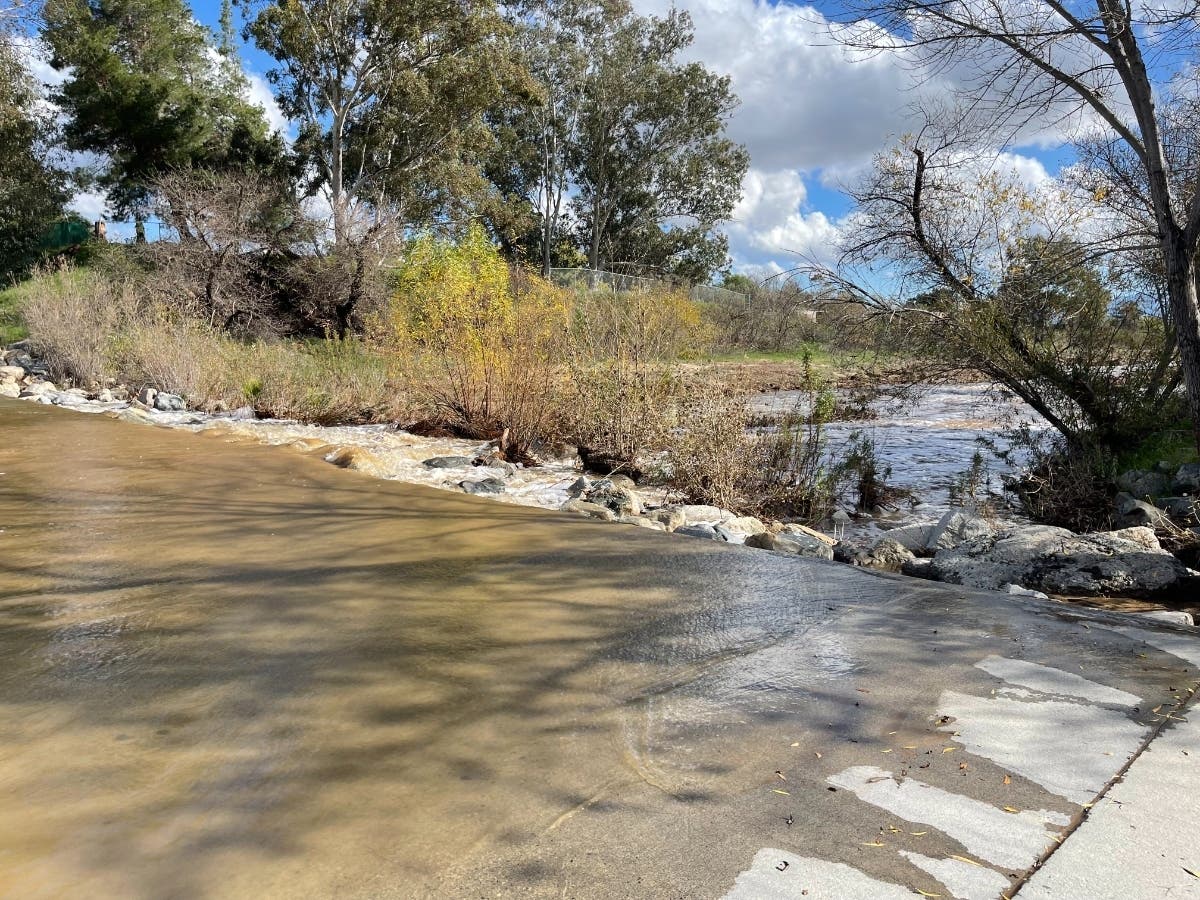
TEMECULA, CA — With forecasters warning that a powerful El Niño winter could bring severe storms to Southern California, the Temecula City Council is scheduled Tuesday to receive a comprehensive storm readiness plan aimed at safeguarding local roads, infrastructure, and flood-prone neighborhoods.
The plan, presented by Emergency Manager Mikel Alford and city engineering staff, outlines actions already underway across municipal departments to prepare for potential heavy rainfall, debris flows, and flash flooding between December and March.
The National Oceanic and Atmospheric Administration’s Climate Prediction Center projects a greater than 90% chance of a "very strong" El Niño during the 2026–2027 season, following a statewide State of Emergency declared by the governor in late September to bolster regional resources.
Find out what's happening in Temeculafor free with the latest updates from Patch.
Local Flood Vulnerabilities
Temecula sits within the Santa Margarita River watershed, where Murrieta, Temecula, and Santa Gertrudis Creeks converge. While regional flood-control improvements over recent decades have lowered baseline hazards, city officials noted that critical gaps remain.
The ongoing Murrieta Creek Flood Control Project — jointly managed by the U.S. Army Corps of Engineers and the Riverside County Flood Control and Water Conservation District — remains incomplete. As a result, city staff highlighted several areas that face heightened risk during prolonged, high-intensity downpours:
Find out what's happening in Temeculafor free with the latest updates from Patch.
- Low-lying sections of Old Town Temecula
- Neighborhoods directly flanking Murrieta Creek
- Flood-prone road crossings
- Hillside communities situated below wildfire burn scars
- Storm drain inlets susceptible to debris and sediment blockages
Mobilization and Workstreams
In response to the seasonal outlook, the city formed an internal El Niño Task Force that convened in early October. The task force encompasses eight focus areas: Emergency Operations Center readiness, public works infrastructure, external partner coordination (schools, utilities, tribal partners, and hospitals), public messaging, damage assessment, Community Emergency Response Team deployment, shelter and evacuation planning, and resource logistics.
City departments are racing to complete primary preparations by Nov. 30, before the anticipated peak storm period.
Crews have accelerated proactive maintenance across town, including trimming trees along major transit corridors to prevent utility line damage, inspecting traffic signal backup power systems, and clearing debris from catch basins, flood channels, and sediment basins. Building inspectors are also increasing oversight at active construction sites to stop loose runoff and grading debris from choking storm drains.
Sandbags and "Tiger Dams"
To help protect property, the city plans to expand its public sand and sandbag distribution programs ahead of the wet season. Officials are preparing to establish additional self-fill sandbag sites on both the north and south sides of Temecula.
Public Works staff also evaluated "Tiger Dams"—flexible, water-filled barrier tubes designed to replace traditional sandbags. Each stackable section can replace roughly 500 sandbags and hold back several feet of water.
Engineers determined that while Tiger Dams are unsuitable inside fast-moving creek channels due to rushing debris, they are an effective, reusable tool for shielding public buildings and diverting shallow street flooding. Staff has onboarded the product’s vendor to evaluate potential deployment where appropriate.
Financial Impacts and Next Steps
City staff noted that while initial planning and maintenance are being absorbed within current departmental budgets, severe weather operations will require additional allocations. Expected expenses include crew overtime, equipment rentals (such as generators and heavy pumps), expanded sand supplies, and potential emergency repair contracts.
To cover costs, the city may tap Measure S reserves, standard General Fund balances, or emergency reserve funds if a local emergency is declared, while tracking expenses for potential state and federal disaster reimbursement.
Residents will soon see an updated city storm preparedness webpage alongside emergency alert instructions and guidance on maintaining private drainage channels.
The City Council is set to review the presentation during its 3 p.m. regular meeting on Tuesday, Oct. 27. See the full meeting agenda here.
Get more local news delivered straight to your inbox. Sign up for free Patch newsletters and alerts.