Community Corner
Temecula Still Remembers An Epic Day, And A Giant Battle
Nov. 15 is so important in Temecula history that it has been proclaimed a local holiday.


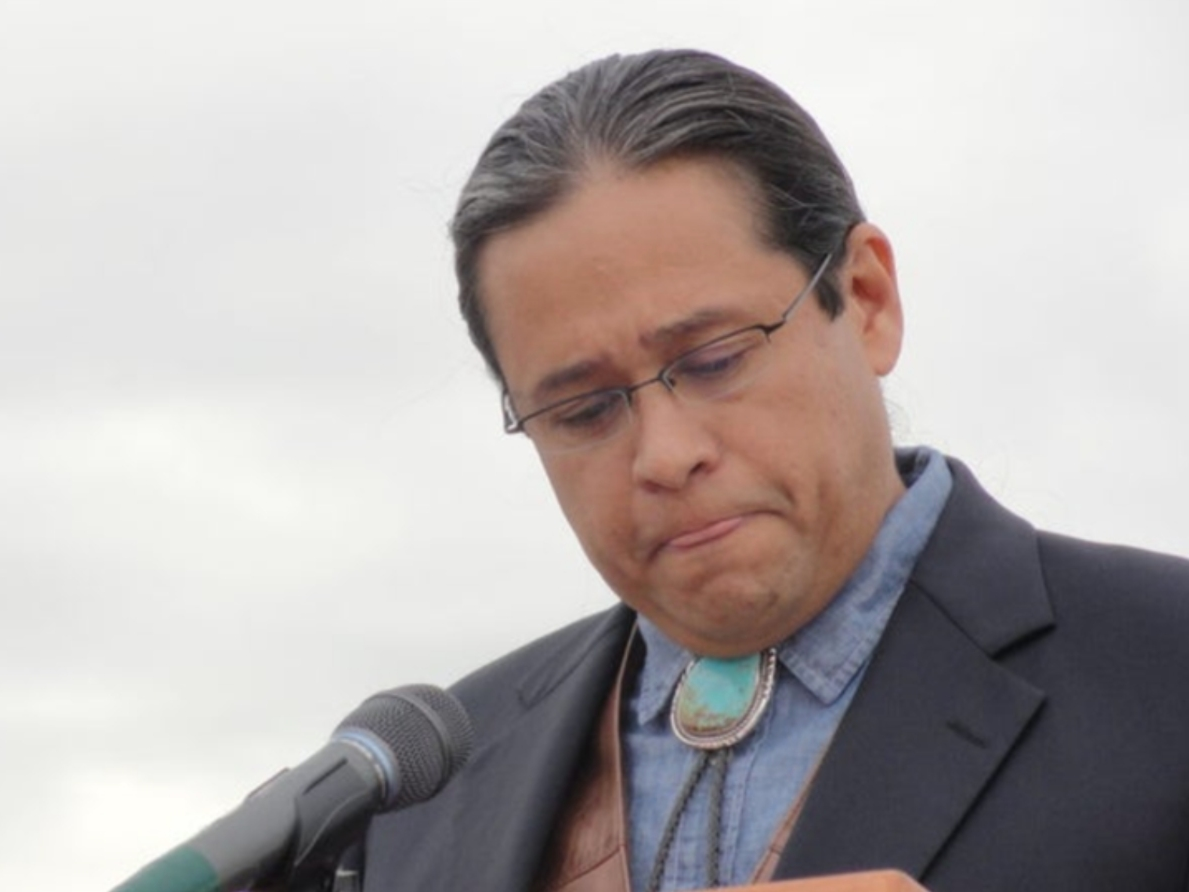
TEMECULA, CA — Each year, since 2012, the city of Temecula has observed "Pechanga Pu'éska Mountain Day" on November 15. Proclaimed a local holiday in Temecula, Pechanga Pu'éska Mountain Day reminds the community of the native culture of the Pechanga Band of Luiseño Indians.
It also gives pause to remember a tumultuous, more-than-seven-years-long battle that brought together thousands of residents, tribal members and outsiders from all walks of life.
The city and the Pechanga Tribe invite residents and patrons of Temecula Valley to join at the steps of City Hall Monday at sunset for a short ceremony that will recite the annual holiday proclamation that was drafted in 2012 by the city and Tribal Councils. It affirms Pechanga Pu’éska Mountain Day as a city holiday and shares the Pu’éska Mountain story.
Find out what's happening in Temeculafor free with the latest updates from Patch.
Following the proclamation, attendees can gather inside the City Hall conference center for food, drinks and a viewing of the award-winning documentary film, “The Mountain That Weeps." Created by Brad Munoa, a member of the Pechanga Band of Luiseño Indians and a writer, director, and producer for the Pechanga Creative Studios, the film chronicles the monumental fight that began in the mid-2000s to save Pu'éska Mountain from an open-pit mining proposal known as the Liberty Quarry project.
The much-contested proposal was planned adjacent to the Temecula city boundary and would have been among the largest aggregate mining quarries in the United States, with up to 1,600 daily gravel truck trips, boulder blasts, lights, noise and dust in the trajectory of the prevailing winds overlooking the city.
Find out what's happening in Temeculafor free with the latest updates from Patch.
For the tribe, the proposal was personal: Pu'éska Mountain is the place of the Sacred Creation Area for all Luiseño Indian People.
Despite being rejected by the Riverside County Planning Commission, the mining proposal was ultimately fast-tracked for approval by the then Board of Supervisors after years of opposition by thousands of residents and businesses, the Pechanga Tribe, the city of Temecula, Save our Southwest Hills, and San Diego State University.
The battle officially ended Nov. 15, 2012, when Pechanga Tribal Chairman Mark Macarro announced during an impromptu news conference that the tribe closed escrow on 365 acres of land that was the proposed quarry site.
“The film is perfectly produced and reflects a time in our city’s history that could have changed Temecula forever," said Temecula Mayor Maryann Edwards. "The city of Temecula is grateful for this accurate and historic accounting of this challenging time. Pechanga Pu’éska Mountain Day formally sets aside one day to show our gratitude to the Pechanga Tribe for saving our community from the impacts of a massive open-pit mine. Liberty Quarry would have irreversibly desecrated the mountainous area southwest of Old Town, the Luiseño Garden of Eden."
Prior to being elected to the Temecula City Council, Temecula Mayor Pro Tem Matt Rahn worked for San Diego State University and managed SDSU’s Santa Margarita Ecological Reserve, which shared a boundary with the proposed Liberty Quarry. Rahn was vehemently opposed to the project.
“As proposed, this was going to be one of the largest mining operations of its kind, causing permanent damage to sensitive biological, cultural, and hydrological resources," he said. "This area represents the last of so many things for Southern California — the last inland to coastal wildlife linkage, the last fully-protected free-flowing river, home to many endemic and sensitive species, and a significant cultural legacy for Pechanga that could never be replaced. After nearly eight years of a very intense and often contentious battle, on November 15, 2012, Pechanga announced the purchase of this mountain and, unquestionably, that remains among the best days historically for the city of Temecula.”
City Manager Aaron Adams said, “Temecula Valley is evolving so it is important that we share this story each year, especially with new citizens and staff, to ensure that a project of this magnitude does not repeat itself. Importantly, it gives us a moment to pause and show our respect to the tribe’s heritage and culture with gratitude to our Native American friends.”
Monday evening's presentation will take place at Temecula City Hall, 41000 Main Street, outside the front steps. The free program begins at 4:30 p.m. Attendees are encouraged to arrive early for seating. For those who cannot attend but want to view “The Mountain That Weeps," visit http://www.mountainthatweeps.com/.
Get more local news delivered straight to your inbox. Sign up for free Patch newsletters and alerts.