Community Corner
THERAPIST THURSDAY:What is ANXIETY and What Can Be Done About It?
Anxiety is one of the most common behavioral health issues facing our society today. Children, teens, and adults can suffer from anxiety.

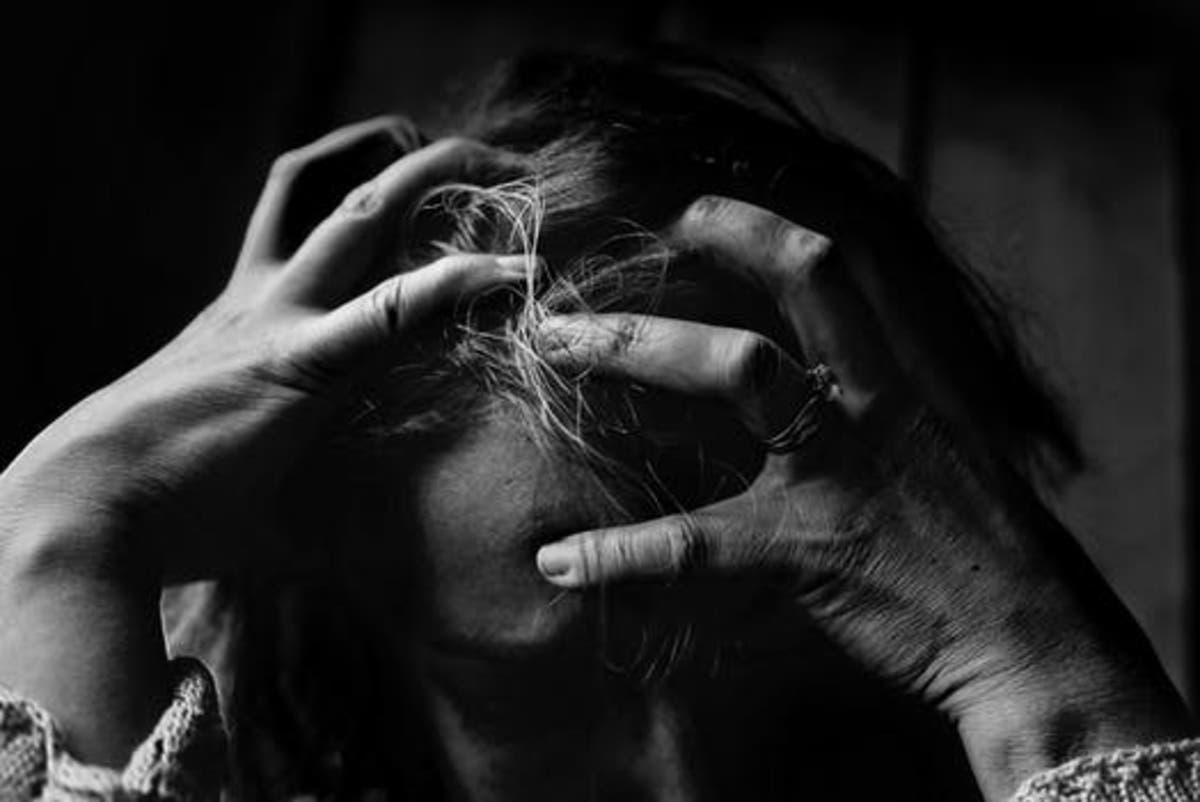
Anxiety is one of the most common behavioral health issues facing our society today. Children, teens, and adults can suffer from anxiety. And unfortunately, people often suffer in silence, either not understanding that their symptoms are a result of anxiety, being too embarrassed to admit their struggle, or not knowing what to do about it. Over the last five to ten years, I have seen a huge increase in childhood anxiety within my practice. So today I thought I would focus on bringing awareness and understanding to what anxiety is and what treatment options are available.
Presentation:
Anxiety can present itself in many different ways. Often when people think about anxiety, they picture a person who worries too much or has a lot of fears. And certainly, this is one way anxiety can present. However, there are many other symptoms of anxiety. For many, anxiety is a tense feeling a person gets in his/ her body that happens very easily due to things other than fear or worry. For example, a person could see something out of place or the environment may be a little chaotic and this can trigger that tense feeling. Things such as plans changing, someone (or themselves) running late, or an unexpected occurrence can trigger a feeling of anxiety. People with anxiety that presents as a result of issues such as these often come across as controlling. They may become irritable, angry, or “uptight” as a result. The people around them may experience the person with anxiety as difficult to get along with, not able to relax, and often angry or controlling. While extreme fear or worry may be more easily identified as symptoms of anxiety, these other presentations are often not identified as such.
Find out what's happening in Temeculafor free with the latest updates from Patch.
In children and teens, anxiety can sometimes look a little different than it may in adults. For example, it is not uncommon for me to see a minor who has been avoiding doing homework or taking care of other responsibilities due to anxiety. They may be combative about completing tasks, they may seem to have rigid thinking, and they may not take direction well. A child with anxiety can be very difficult to parent due to their increased need for control. They may appear bossy or defiant. There is often a lot of conflict between child and parent. Of course, children/ teen who worry excessively or have a lot of fears may be suffering from anxiety as well. This child may be more timid, may avoid situations that they are unfamiliar with, and may have great difficulty with change. Sometimes these individuals have irrational fears and seem to obsess over things such as dying or their home being broken into.
Physiology:
Find out what's happening in Temeculafor free with the latest updates from Patch.
Anxiety begins in the brain. It occurs when our fight or flight responses are triggered. For people with anxiety, this process happens too easily. Instead of the brain activating this response only when danger is around (either physical or emotional), it activates over small changes, things being out of place, or something not being as planned. Because it happens in the limbic system of our brain (the emotional centers), the thinking part of our brain is often not aware that this system has even been activated until far after the symptoms are present. If a person has been living in this state of increased arousal for most of their life and goes there a large percentage of the time, they are likely not aware at all that this is even occurring. They are so used to their body being tight that they are not able to identify it, as to them the aroused state is their “normal” state. Often, a person with anxiety does not realize that a more relaxed state even exists. To a person with anxiety, the reaction they had may seem completely justified and like the only one that makes sense. To them it feels like, “of course I would react this way to that!” Due to the amount of time they have spent in this aroused state and their lack of awareness that their reactions may be extreme, it is very common for a person to be unaware that they have anxiety.
Treatment Options:
Fortunately, anxiety is very treatable. For some, psychotherapy is enough to treat the symptoms and change the reaction so the person does not go into an aroused state very often. The person is able to have responses that look more like the general public. This is often accomplished through Cognitive Behavioral psychotherapy. The individual is able to increase their awareness of their body and brain reactions, reverse them when they occur, and reduce the frequency of their body entering the aroused state. Through specific techniques aimed to target both the mind and the body, the person is able to conquer their anxiety and feel more relaxed and happy. This is possible for individuals who exhibit the more uptight presentation of anxiety as well as those with excessive worries or fears.
For others, while psychotherapy is helpful, they are not able to achieve a sufficient reduction in symptoms so as to not interfere with their daily functioning without the assistance of medication as well. As with any other physical disorder, there are times when behavioral changes alone are not enough and the body needs additional medical assistance to be able to make the changes necessary to achieve sufficient symptom reduction. For those who opt to use medication as a management for their anxiety, psychotherapy is still a helpful process for them to be able to understand and manage their symptoms. The most effective treatment plan for anxiety often involves a combination of psychotherapy and medication.
If you have identified that you or a loved one may be suffering from anxiety, I urge you to seek help. Anxiety feels like such a huge issue in a person’s life, it can easily take over, become overwhelming, and feel like change is not possible. However, anxiety is a very treatable condition and change can occur quite quickly and effectively when the right treatment is provided. The bottom line is, there is no reason for anyone to suffer with anxiety in this age where we know so much about it’s etiology and treatment.
If you have a topic you would like addressed on Therapist Thursday, please email Rochelle at www.meetme4therapy.com
Rochelle Whitson is a Licensed Marriage and Family Therapist in private practice in Temecula, CA. She is also the author of the blog, www.meetme4therapy.comwww.meetme4therapy.com.