Community Corner
THERAPIST THURSDAY: Is Your Kid Being Bullied?
The definition of what bullying really is has changed over the years...

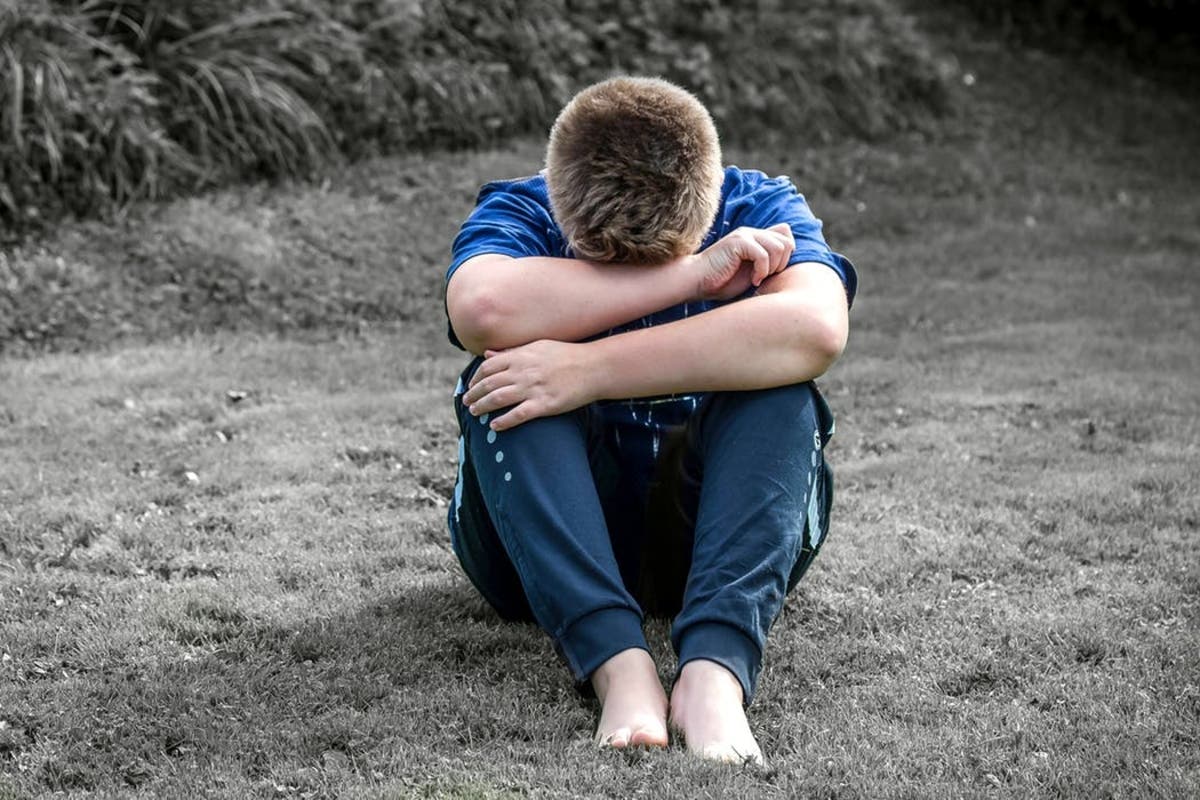
When I was a kid, bullying usually meant someone was physically intimidating you. However, through the years we’ve come to broaden that understanding to realize that any kind of intimidation is actually bullying, rather that be teasing someone continuously, making fun of them, or making them feel bad about themselves using sarcasm or other means.
I often work with kids and teens who are or have been the victim of bullying. These kids often don’t want to go to school, have a lot of anxiety about the incidents, and feel bad about themselves as a result of the bullying. In helping kids not to be a target of bullying behavior, one must first understand why a person bullies in the first place.
I have found there to be basically two reasons why people bully. One is that the person has internal pain. This can be because they are in a bad situation themselves and are being bullied at home. They may not be getting their own emotional needs met or may feel bad about themselves. Any of this internal pain and anger can cause someone to feel better about themselves by making another person feel bad. The other reason people bully is out of fear. Fear that they themselves will be the target of ridicule or harassment, so they go on the offensive to be the one who is on the “top” so they’re not on the “bottom.” I find this to be especially true during those awkward pre-teen and teen years. Kids who are different in some way are especially prone to developing this type of defense mechanism. For example, a kid who is very small for their age or has a lot of ache or something else that makes them feel insecure can cause them to lash out at others in an attempt to keep the focus off of whatever they think stands out negatively about them.
Find out what's happening in Temeculafor free with the latest updates from Patch.
Regardless of the reason the bullying begins, the pay off is the same for the bully, they feel powerful when they bully. They feel like they are on “top”, they are in charge. This gives them a sense of satisfaction, but… only if it WORKS. For the behavior to give them this payoff, they have to know they hurt or intimidated the other person. If not, they get no pay off for the behavior. It gives them no satisfaction at all. They feel no sense of power or satisfaction if the person is unaffected by the bullying behavior. Once we understand this, we can begin to understand how to help kids and teens to stop being a target of bullying.
Whenever I’m working with someone who is experiencing bullying, the first thing I always want to know is how they are reacting to the behavior. I ask about the first time this occurred and how the whole scenario played out. What I inevitably learn is that the bully did something mean or humiliating to the kid and the kid reacted. Maybe he cried, maybe he showed anger, maybe he ran away, but he showed some kind of intimidation and emotion to the initial behavior. And this fueled the bully! The bully got his little fix of feeling good from someone else’s pain, and this kept him coming back for more. When I teach this to kids who are being bullied, they begin to feel powerful. They start to realize that they can stop being a victim if they learn to respond in a different way. I teach them to be assertive, to walk and talk with confidence, and to make the bully feel dumb or irrelevant when he tries to intimidate the person. When the kid/ teen can get this behavior mastered, the bullied stops. The bully moves on to another target. This is because that pay off they were getting no longer works! The behavior no longer makes the bully feel powerful or satisfied.
Find out what's happening in Temeculafor free with the latest updates from Patch.
All of this may sound like I am blaming the victim, saying that this kid was bullied because of something they did. This is in no way the message I am trying to convey. Bullying is never OK. Bullies should be stopped and the adults in the situation should send a very powerful and direct message that this type of behavior will not be tolerated. The school and other settings that children are in need to make it clear that this kind of behavior will not be tolerated. And we have gotten pretty good at that as a society, certainly much better than when I was a child! But the fact is, no matter how much we do to prevent bullying and to protect kids from it, there will always be people who want to bully. So, if we can also teach kids why this happens and how to combat it, then we are also teaching them to self-protect. I find this to be very important because, as much as we may like to, the truth is that we can always be there to protect our children.
It is my hope that everyone reading this article will have a talk with their kid about bullying, both about how not to be a victim and also why it is not good to bully others. Help them understand the power of negative words. Help them to feel and show empathy towards others. Help your kid to understand that the world is a better place when we put positivity out there. And help them to understand that they do have power over their own circumstances, even when it may feel like they do.
If you have a topic you would like addressed on Therapist Thursday, please email Rochelle at meetme4therapy@gmail.com.
Rochelle Whitson is a licensed psychotherapist in practice in Temecula CA. For more articles like this, you may subscribe to her blog at www.meetme4therapy.com.