Health & Fitness
History Blog: Chicory Growing
Farley Granger, an Alvarado Farmer, grew Chicory, a coffee substitute.
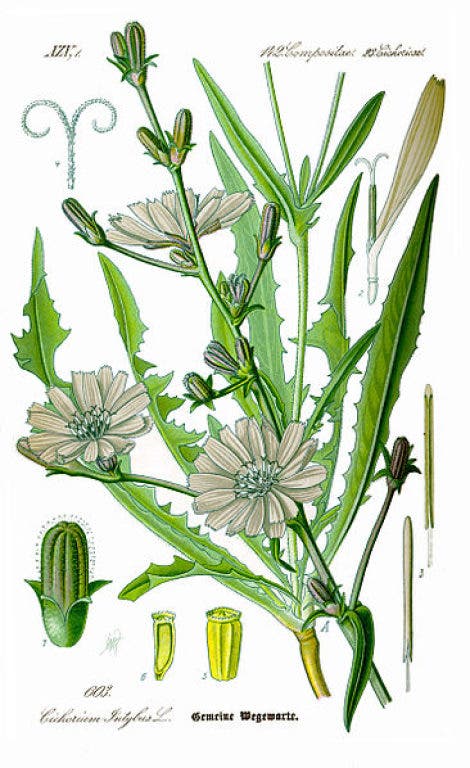
Farley B. Granger was a local farmer who owned a farm where the New Haven Unified School District maintenance yard is located. One of the major crops that he grew is chicory, a root vegetable that when ground and roasted can be used as a substitute for coffee or an additive to coffee.
During the Civil War, coffee was scarce, so drinkers turned to chicory and developed a taste for it. In 1867, the California Chicory Company was founded in San Francisco and in the same year, Granger started growing chicory for them. With steamers running directly from Alvarado to San Francisco, getting the crop to the mill in San Francisco was not a problem.
An article from the Pacific Rural Press from September 1872 had this to say about F. B. Granger:
Find out what's happening in Union Cityfor free with the latest updates from Patch.
F. B. Granger of Alvarado, who has for some five years been engaged in raising chicory for the California Chicory Company, has just completed a new drying house, the one formerly used having been destroyed by fire last year. The present crop now ready to gather consists of fifteen acres, and will yield probably ten tons to the acre, which in drying will lose about three-fourths of its weight, and will furnish about thirty-seven tons of marketable product.
Mr. Granger planned for a much larger crop this year, having planted fifty-five acres, but time developed the unfortunate fact that forty acres had been planted with lettuce. The mistake was not discovered, however, until all the ground had been carefully weeded over twice, and then it was too late in the season to replant. The seed was furnished by the parties with whom he contracted to cultivate the chicory, and was procured by them part in New York and part in Europe. I believe it is not know where the mistake was made, the two seeds are identical in appearance.
Find out what's happening in Union Cityfor free with the latest updates from Patch.
It is too much labor to dig them out whole, so a plough is used that cuts them at a depth of about ten inches, when the top part is pulled out by hand, cleaned and chopped by machinery, and put into a hopper-shaped bin lined with brick, that will hold from three to four tons at a charge, and exposed to the heat of a furnace underneath till dry, when it is sacked and ready for market.