Health & Fitness
Blog: Don't Zone Out!
By redefining 'family,' the Community Care Facilities Ordinance could limit shared housing for too many Angelenos, as these stories about this over-the-top ordinance show.
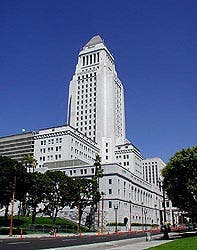
The L.A. City Council will soon vote on a proposed ordinance that will make it harder for anyone to share a home. In response to complaints about some egregious public nuisances by operators of group homes, some homeowner groups have gone too far in closing the gates of the neighborhood to shared living arrangements. Because it's unconstitutional to target the typical residents of these homes like the elderly, recovering alcoholics, developmentally disabled adults and foster children, their solution is to redefine "family" for everyone. Literally, the ordinance defines a "family" as a single lease agreement.
For years, this proposed ordinance was touted as a Sober Living Ordinance, so a lot of us paid no attention. But now it's become clear that by redefining family, whole swaths of Angelenos will be limited as to who lives in their own home. The following stories shed light on some of the consequences of the ordinance:
- Betty, a retired widow, rents a room out to help pay her property taxes. She recently broke a hip and pays a caregiver to help her get to the bathroom, get dressed and drive her to doctor appointments. Having the caregiver there through the night gives Betty peace of mind. If the ordinance passes, she'll have to choose whether to keep the caregiver or the renter. The ordinance allows only one, whether the agreement is in writing or just between friends.
- John and Dave are developmentally disabled men who share a house. They each have a special needs trust set up by an attorney to help protect their assets. They live together in the house John grew up in. It's owned by a trust to ensure nobody comes along to take advantage of John and persuade him to sign it over. Living together has provided nuturing socialization as well as skills needed to navigate their way on the bus, at the store and encountering people on the sidewalk. Under the new ordinance, these two lease holders would no longer be able to live together in that house.
- USC students Jessica, Olivia and Sharon share a house. Sharon's dad said that each student needed to have her own lease agreement. He remmebered once in college being left with the whole bill when his roommates transferred. If the same thing happened to his daughter, he just couldn't cover those expenses now.
- Jimmy, Howard, Mike and Arnold are vets who share an apartment. They use their veterans vouchers to pay rent. If the ordinance passes, they'll be forced to move out and each find their own apartment because veterans require individual leases. There's a long waiting list for affordable housing, so it's pretty likely one or two of them will end up on the street.
- The Rodriguez family lives traditionally. Grandma gets dinner started when Mom and Dad are still at work. Esteban is attending classes at Santa Monica College and Rachel is still in middle school. Both Grandma and Esteban pay their fair share of expenses and the agreement to do so was made with Mr. Rodriguez at the kitchen table. Grandma's social security check helps pay the mortgage and so do Esteban's earnings from his part time job. If the ordinance passes, the Rodriguez family could be subjected to scrutiny because two people are helping out. The ordinance says that in a real family, only one person can help.
- Tanya has been sober since she finished rehab two years ago. She lives with five other women who all share her need for structure and a drug free environment. Living with likeminded women in a normal residential neighborhood provides stability, access to support available through her church and takes her a step closer to indpendent living. This sober living community is not a treatment facility so it isn't eligible for state licensing. If the ordinance passes, Tanya and the others will be forced to find somewhere else to live.
Public nuisances should be dealt with quickly and severely, but outlawing all kinds of productive living arrangements is overkill. We residents deserve peace and quiet, but federal and state laws tell us that we don't get to zone out the KIND of people we don't want to live next to. Advocates of this restrictive ordinance are understandably looking for protections against badly behaving neighbors. But when questioned, they also say that the lawyers will figure out the details. Some politicians have said they know the law will be struck down in court, but they want to pass SOMETHING. Everybody seems to think somebody else will work out the details. But that is not effective public policy. It will close the doors of life-saving programs, put at risk millioins of dollars in federal funding and court costs, and it's unfair to thousands of Angelenos.
Find out what's happening in Venice-Mar Vistafor free with the latest updates from Patch.
Thankfully, dozens of highly regarded organizations like the United Way, LAHSA and Bet Tzedek Legal Services are speaking up. The L.A. Times ran this Op-ed by the Corporation for Supportive Housing and Disability Rights California. United Way has even started a petition. These leaders make it clear: In this economy, L.A. needs to be helping families and others stay on their feet, not making it harder.