Neighbor News
Clever Distracted Driving Month Awareness Campaigns
The purpose of Distracted Driving Awareness Month is getting the message out that distracted driving can be deadly.

In 2012, Consumer Reports reported a positive sign: More than 70 percent of respondents said they had reduced their texting, talking on a cell phone and use of a smartphone while driving over the past year. More than half said state laws influenced them to alter their behavior.
Sadly, what people say and what they actually do is often quite different. According to authorities, distracted driving is increasing, largely due to the constantly growing influence of smartphones. Distracted driving is such a problem that law enforcement officials devote the entire month of April to raise awareness of this dangerous practice.
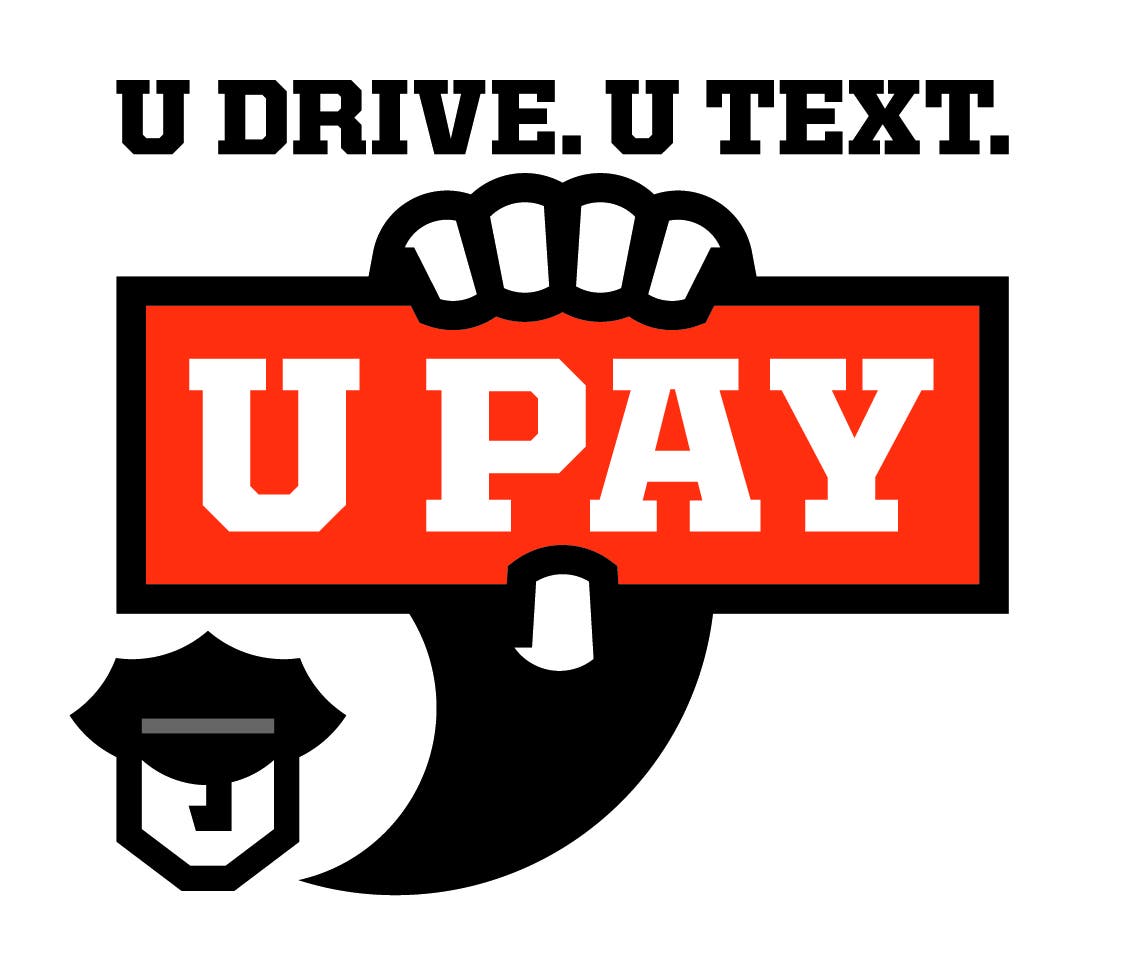
The purpose of Distracted Driving Awareness Month is getting the message out that distracted driving can be deadly. To have an impact, that message must be stated in a way that’s easy to understand and easy to remember. That’s why the national campaign theme works so well: U Drive. U Text. U Pay.
Find out what's happening in Walnut Creekfor free with the latest updates from Patch.
Along with that national theme, many states and municipalities also have developed their own effective messaging to warn citizens of the dire consequences of distracted driving. Here are five great examples of campaigns from across the country.
San Gabriel Police Department, California
Theme: Silence the Distraction
Find out what's happening in Walnut Creekfor free with the latest updates from Patch.
The San Gabriel Police Department’s theme works on a number of levels. It speaks to the many types of distractions — eating, reading, fiddling with a radio, talking with passengers, grooming, and other activities — that can interfere with driving. But it also acknowledges that cell phones, and especially smartphones, stand as the most potent — and often the most lethal — form of distraction for drivers.
“Silencing” the distraction can be understood literally. By turning off ringers, alerts and other digital noise-makers, drivers eliminate one source of distraction. But silencing distractions also means keeping attention where it should be — on operating your vehicle and on watching what’s going on around you on the road.
The Ad Council and the NHTSA
Theme: “I Won’t Snap And Drive” Snapchat Filter
Prolific Snapchatters know they can use a variety of filters to match their moods, recognize a holiday or support a cause as they send photos and videos to friends. A Snapchat filter recently released through a joint campaign by the Ad Council and the National Highway Traffic Safety Administration supports the critical fight against distracted driving.
The “I Won’t Snap and Drive” filter (available for a limited time) lets users send friends a pledge stating they won’t use Snapchat while operating a vehicle. The filter includes yellow tire tracks that move across the screen, along with text reading “Stop the texts. Stop the wrecks.” The slogan is also the name of the joint campaign of the Ad Council and NHTSA.
The @StoptheTexts account on Twitter also tweets videos and information meant to get young people’s attention and convince them not to text and drive. Recent tweets have included memes featuring Jimmy Fallon, Grumpy Cat, the Care Bears and the stars of Friends.
Texas Department of Transportation
Theme: Talk, Text, Crash
As with the national theme — U Drive. U Text. U Pay. — the campaign theme of the Texas DOT also simplifies the problems with distracted driving into three easily understandable components. And similarly to the national theme, the Texas theme puts the majority of the blame for distracted driving squarely on the shoulders of cell phones and smartphones.
The Texas theme features an image of a cracked smartphone — strongly evoking the aftermath of a serious crash and the cause of that crash. Campaign ads are running on TV and radio, in print, and on social media.
The campaign also includes real-life testimonials from Texans who have suffered severe consequences due to distracted driving. One recorded account tells the story of a woman whose 22-year-old daughter died instantly when she was rear-ended on a Texas interstate by a texting driver.
Florida Highway Patrol
Theme: Focus on Driving, Florida! #FocusonDrivingFL
The Florida Highway Patrol’s theme — Focus on Driving, Florida! — manages to effectively touch on several key points in the battle against distracted driving. Messaging is framed in a positive way by instructing drivers on what they should do, but also present in the message is what drivers should not do: text, talk, eat, put on makeup, take selfies, and give in to other distractions.
The campaign and its companion hashtag make heavy use of Twitter, with many powerful images, stories and thoughts posted throughout the month by both state and local agencies.
Orono Police Department, Maine
Theme: Heads Up
The campaign theme of the Orono Police Department — Heads Up — has a double meaning. “Heads up” can mean paying attention, which is certainly a goal for drivers. In addition, “heads up” can mean “stop texting, put your head up and keep your eyes on the road.”
The campaign is a joint effort of the Orono police and the police department at the University of Maine, where students in crosswalks report feeling unsafe as distracted drivers plow through without looking. The situation gives “heads up” a third meaning: Watch out for pedestrians.
Darien Police Department, Connecticut
Theme: Drop It & Drive in Darien
What’s the “it” that the Darien Police Department wants you to “drop” to focus on driving? Your cell phone or smartphone. The campaign includes car magnets and has received enthusiastic support from town leaders, businesses and many private citizens.
The mission of the campaign is increasing awareness of the dangers of all forms of distracted driving — but especially cell phone use. The campaign is intended not just as an instruction, but also as a pledge that drivers will ignore cell phones and pay attention to the road.
By using creativity and strong messaging, these five campaigns are helping get the word out about the dangers of distracted driving.