Neighbor News
BONE BROTH: What's the deal here?
What it is, how it can help you, and how to get your hands on it.
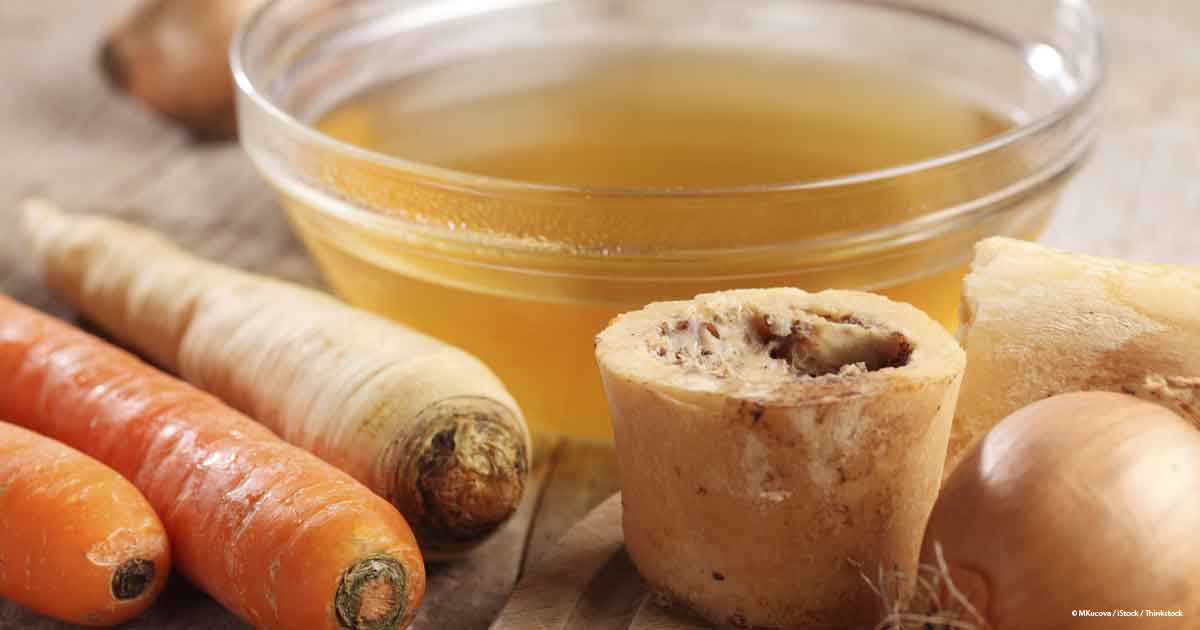
A lot of fuss about “Bone Broth” lately. I’ve seen it touted in such bathroom reading material as The New York Times, Time Magazine, and also The Wall Street Journal as the latest and greatest Superfood, the real-deal Fountain of Youth, and the latest elixir sweeping the NBA, offering tremendous health and physical benefits. While it remains to be seen whether the broth (which has been made and consumed since the beginning of time) is yet another passing trend or is destined to become a widespread staple, I care not; I’m more interested in clearing up exactly what the stuff is, how it can help you, and how you can get your hands on it, should you want to try it yourself.
EXACTLY WHAT THE STUFF IS:
“What is bone broth?” “Is it any different from regular broth?” “What’s the difference between broth and stock?”... I’ve been fielding a lot of questions like these lately. And they’re good ones. While the explanation is quite simple, there is definitely a level of ambiguity surrounding the meaty liquid. Here’s a quick primer.
The words ‘broth’ and ‘stock’ are often used interchangeably, and to an extent, this is not incorrect. They are both liquids formed and flavored by simmering a combination of meat, bones, and vegetables over a period of a few or more hours to create a flavorful base for soups, sauces, and other dishes.
Stock basically stops there- it is generally an unseasoned, neutral liquid. A blank canvas waiting to be tailored and altered to fit your dish’s needs. Stock is also generally made with mostly bones, as opposed to more equal proportions of bones and meat. Bones have strong connective tissue and collagen that add a gelatinous body to the liquid, while meat tends to add more flavor than body. Stock doesn’t typically taste great on its own but it is a more unadulterated starting point for your dish’s end game.
Now broth... Broth is seasoned. Salt, pepper, aromatics, and usually wine, tomatoes, or some other type of acid is often added to the pot to give a depth of flavor, and is usually tasty enough to drink on its own. Meat is sometimes added to give more of that meaty flavor to the final product. Broth can be thought of as more of a pre-tailored product, less altering required.
HOW IT CAN HELP YOU:
- Detoxification by supporting the liver.
- Improves nervous system function.
- Boosts antioxidant activity in the body.
- Balances blood sugar.
- Regulates human growth hormone.
- Improves hair and teeth.
- Reduces cellulite, stretch marks, and wrinkles (collagen content).
HOW YOU GET YOUR HANDS ON IT:
- Start by roasting beef, pork, or chicken bones (or a combo) in a roasting pan for at least two hours at about 400 degrees until golden brown and crunchy.
- Add vegetables to the roasting pan for depth of flavor. Chopped onion, carrot, celery, garlic and tomato work perfectly. Continue to roast until the vegetables are browned and cooked through.
- Add roasted bones, then vegetables to a pot large enough to house it all. Fill up with cold water and heat over medium-low heat until you reach a simmer. Turn heat to low and let it continue simmering.
- Meanwhile, heat your roasting pan over high heat, add some red wine, and deglaze your pan by scraping all the leftover crunchy bits from the bottom of the pan. Let the wine reduce by about a third, then add to the pot, along with some aromatics such as thyme, oregano, rosemary, etc.
- Let it simmer, baby. The longer the better. I always go overnight, adding water as needed and occasionally skimming greyish impurities from the top. At least 8 hours of simmering.
- When you decide you’ve had enough, take it off heat, and strain into a heat resistant container. You can use cheesecloth or a very fine mesh sieve. Or a combination of the two. It’s sometimes helpful to skim multiple times to ensure you’re removing all the impurities from your broth.
Let the stuff cool, then reheat and enjoy. If it cools and solidifies into a gelatin, that’s ok. It’s just a more concentrated broth. You can always add water to dilute it to your liking. Add salt to taste, or whatever your pleasure. I’ve heard of people adding different chili oils, sauces etc. to liven it up a bit.
A note: I didn’t include exact measurements in the recipe because I never use them. Once you play around with it, the recipe becomes yours. Too much gelatinous body on your first go around? Add more meat to the bone mixture. Not acidic enough? Add more tomatoes and/or wine. Continue to adjust and take notes, until you’ve created your perfect broth.
Cheers!
Rick
Questions, comments, concerns:
Rawright11@gmail.com