Schools
Ways Technology in the Classroom Benefits Students
How New Technology Helps Schools and Students Advance Learning.
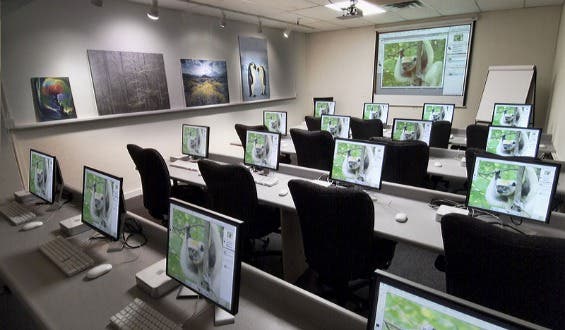

Why should schools attempt to implement and integrate technology into every student’s learning experience? The simple answer is that technology is becoming a bigger and bigger part of our day to day (and even minute to minute) lives, so understanding the intricacies of how it works and how to use it effectively is now more important than ever. While schools might worry about maintaining the necessary IT infrastructure, most LA schools have access to an IT Consulting Los Angeles provider that can do it for them. Below I’ve attempted to outline the biggest ways in which technology in the classroom benefits students both in the short and long term:
- Accommodates diverse learning styles: Using technology and software that is adaptable to a specific student’s learning style allows that student to perform better in the classroom and actually learn comparably more than they would have had they been taught in traditional means. Education that is student specific will keep each student engaged and excited about the entire learning process, keeping their minds open and ready for new information.
- Encourages collaboration: With the introduction of technology into every student’s educational experience, collaboration is no longer limited to the classroom during school hours. Students can work on projects together from home or while on vacations, and could even allow them collaborate with students from other schools in other parts of the country or world. This would undoubtedly help to eliminate cultural barriers in the future and would foster more global cooperation in our developing generations. Tools like Evernote.com assist students in engaging teams to achieve projects in an organized fashion.
- Helps students prepare for the future: With the presence of technology in our lives increasing all the time, it is unrealistic to assume that students won’t be required to have in depth understandings of the operation and efficient use of different types of technology upon entering workplace environments. Everyone from truck drivers to neurosurgeons, and janitors to CEOs use technology on a daily basis and the presence of technology in the workplace is only going to increase. If we are to expect our students to be ready to enter the workforce directly upon graduation from school, we should make sure that they have all the knowledge necessary to perform their functions as expected.
- Keeps students engaged: When students are familiar with the tools they’re using for learning, they are more likely to be interested in the learning process as a whole. Moreover, if you introduce technology at a young age as a means of education, their relationship with technology throughout their growth will continue to be that of a more robust nature as opposed to simply being a means of staying loosely connected with vague acquaintances.
- Information is never outdated: Hard copy textbooks used in educational setting are usually years old resulting in large amounts of the information contained within being outdated. What was once present is now history. What was once hypothesis is now fact. In simple terms, what was once true may now be false. Technological means of education is not hindered by this tendency to become outdated. E-textbooks, scientific journals, and educational news feeds are all being constantly updated, replacing old information with new and ensuring that every student is taught what is presently considered to be the most accurate information.
So, the difficulty now is not in deciding whether or not technology should be a part of every student’s life. The real difficulty is figuring out how we’re going to provide each student with the technology that is now necessary to ensure they get the best education possible. New and exciting technologies are popping up every day and existing technologies are increasing in educational potential just as quickly. With this powerful technology at their sides, it will be up to the students of today to solve the problems of tomorrow, and I am ever confident in their ability to do so.