Health & Fitness
Heart Health: Home Monitoring Devices a Let-Down, Study Finds
Hospitals from San Diego to San Francisco tested home health monitoring devices in hopes that they could help save lives.

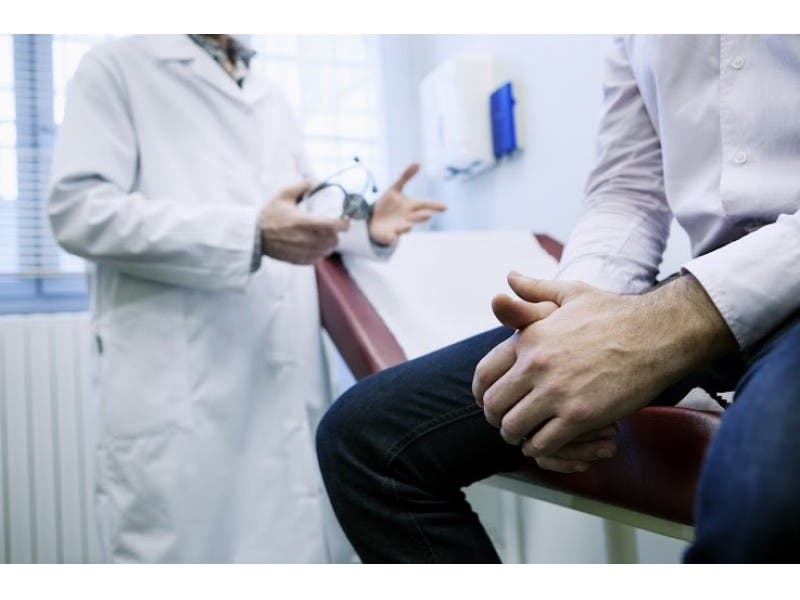
A UCLA-led study released today found that the use of home health monitoring devices did not significantly reduce hospital re-admission rates for heart failure patients.
Heart failure patients discharged from Cedars-Sinai Medical Center in Los Angeles and five academic hospitals, including UCLA and UC Irvine, were given home telemonitoring devices and told to transmit daily information about weight, blood pressure, heart rate and other symptoms to their healthcare providers.
Those patients were also given pre-discharge information on how to handle their condition, and post-discharge telephone coaching from nurses on a weekly basis during the first month, and once a month for another five months.
Find out what's happening in Woodland Hillsfor free with the latest updates from Patch.
Another similarly sized control group of patients were given the usual care, which includes pre-discharge education and often a check-up telephone call from a nurse.
A total of more than 1,400 randomly selected patients were chosen to take part in the study, which researchers said was one of the largest of its kind.
Find out what's happening in Woodland Hillsfor free with the latest updates from Patch.
Despite health care providers and patients expressing interest in incorporating more home monitoring devices in medical care, researchers said they were unable to detect any improvement over those who received the usual care.
The group that used the devices and received regular, post-discharge coaching did not experience reduced re-admissions and mortality rates -- measured over 30 days and 180 days -- when compared with those who received the usual care, according to UCLA.
The researchers said the technology “is not yet ready for widespread adoption for the purposes of reducing re-admissions” and that one “major issue requiring further research is who can adhere to using these technologies and how to improve adherence.”
The researchers added there is some indication, based on survey results, that the group using the telemonitoring devices experienced a better quality of life, but that more study was need to confirm the finding.
Other hospitals involved in the study were the University of California- run hospitals in Davis, San Diego and San Francisco.
The study looked at patients from a “wide range of socioeconomic backgrounds” and a range of “health co-morbidities,” with three of the hospitals involved considered “safety-net” hospitals, researchers said.
The study, published in the JAMA Internal Medicine, was led by UCLA associate professor-in-residence Michael Ong. Funders included the Agency for Healthcare Research and Quality, National Heart Lung and Blood Institute, Robert Wood Johnson Foundation, Sierra Health Foundation, and the University of California Center for Health Quality and Innovation.
City News Service; Photo: Shutterstock
Get more local news delivered straight to your inbox. Sign up for free Patch newsletters and alerts.