Health & Fitness
Study: Service Members with Post-Traumatic Stress Aren't Receiving Enough Treatment
Only a third of service members suffering from PTSD receive the minimum number of necessary therapy treatments, according to RAND Corp.


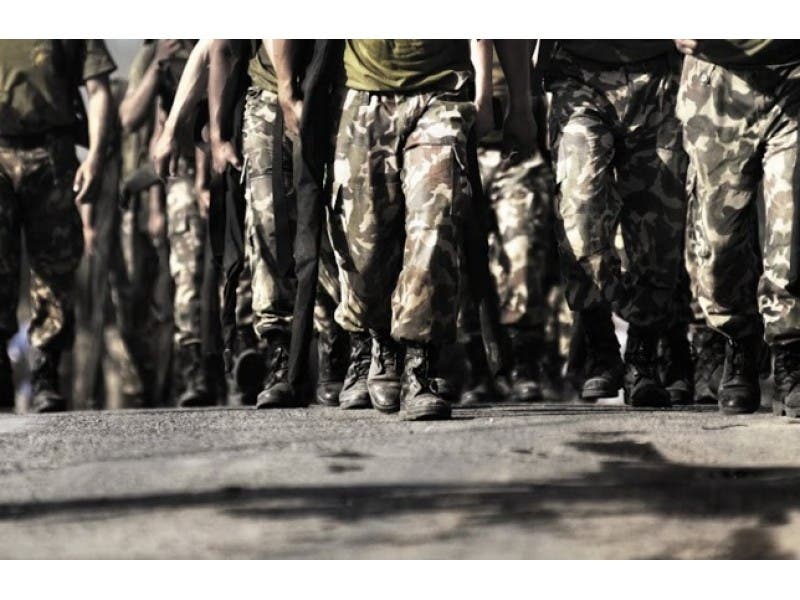
Care provided by the U.S. military health system to service members with post-traumatic stress disorder is falling short, according to a study of more than 40,000 cases, the largest study of its kind, releases this week by the RAND Corp.
However, the military health system has seen marked improvement in following up with patients after they are discharged from a mental health hospitalization, according to the Santa Monica- based think tank.
The period after a patient is discharged can be a vulnerable time with astronomical suicide rates, making follow-up visits critically important for these patients. The RAND survey also found that the vast majority of patients with a diagnosis of PTSD or depression received at least one psychotherapy visit.
Find out what's happening in Woodland Hillsfor free with the latest updates from Patch.
This suggests that military patients who receive such a diagnosis have access to at least some mental health care. But RAND also “found that only a third of troops with PTSD and less than a quarter who are clinically depressed receive the minimum number of therapy sessions after being diagnosed,” USA Today reported.
“Regardless of where they serve, where they live or who they are, all members of the U.S. armed forces should receive high-quality mental health care,” said Rand psychologist Kimberly A. Hepner, lead author of the study. “Developing transparent assessments of care that can be routinely reviewed both internally and externally are essential to ensuring excellent care for all service members and their families.”
Find out what's happening in Woodland Hillsfor free with the latest updates from Patch.
Although most patients received at least one psychotherapy visit, the number and timing of subsequent visits may be inadequate to deliver evidence-based psychotherapy, Hepner said.
The survey reviewed administrative data and medical records of more than 14,500 active-duty service members diagnosed with PTSD and about 30,500 diagnosed with depression from January to June 2012. The review examined whether those service members were receiving evidence-based care in the year after diagnosis.
City News Service
Get more local news delivered straight to your inbox. Sign up for free Patch newsletters and alerts.