Health & Fitness
What You Need to Know About This Year's Flu Season
This year's flu strain is similar to last year's, but there is a key difference in how well this year's vaccine is working.


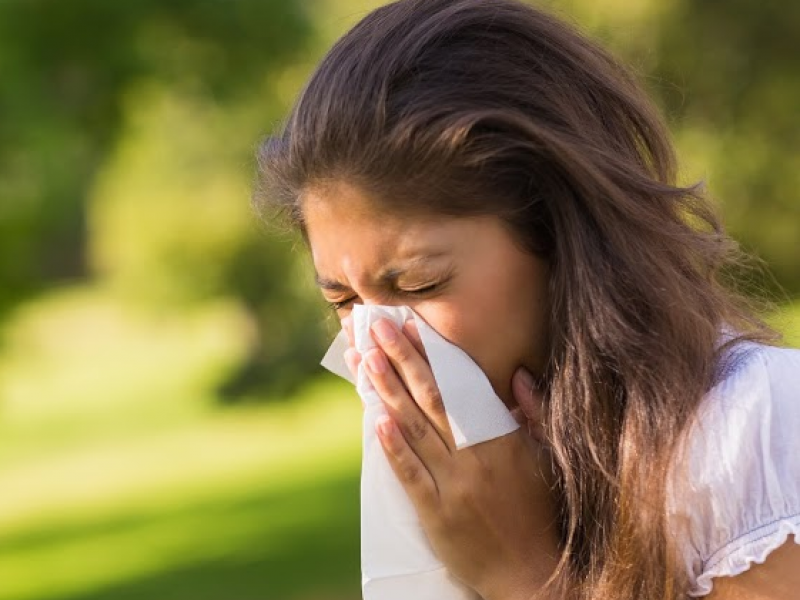
Fall is upon us.
Soon families will share turkey dinners, and invitations to holiday parties will start trickling in. Soon, the kids will come home from school with the sniffles, and your co-worker will show up to work sick as a dog but proud to ‘power through it.’
Flu season is here, and tens of millions of Americans will catch, and probably share the bug.
Find out what's happening in Woodland Hillsfor free with the latest updates from Patch.
This is the prime time to get your flu shot, said Kaiser Permanente Infectious Disease Specialist Dr. Randy Bergen.
“Our major emphasis is to get people in before Thanksgiving,” he said. “Our flu clinics are still in operation across the state.”
Find out what's happening in Woodland Hillsfor free with the latest updates from Patch.
Communities in the Bay Area and Southern California Counties have already confirmed the first handful of flu cases for the 2015-206 season. Each year, between 3,000 and 49,000 people will die from the flu in this country, said Ian Branam, spokesman for the Centers for Disease Control and Prevention. During 2013-2014, the most recent flu-season data reported, there were an estimated 35.4 million influenza-associated illnesses and 397,000 flu hospitalizations in the United States.
The CDC recommends everyone over the age of 6-months-old get the flu vaccine each year.
After last year’s virulent strain combined with a flu vaccine that turned out to be a weak match for it, health officials are optimistic that this year’s flu vaccine is a stronger match.
“We’ll probably get it right this year,” said Dr. Matt Zahn, Medical Directory for Epidemiology for the Orange County Health Care Agency.
Last year, the prominent influenza strain was slightly different genetically than the strain used in the vaccination, making it less effective, he said. According to the Centers for Disease Control, it had an overall effectiveness rate of 23 percent. Private manufacturers pick and mass-produce the year’s flu vaccines well before the October-May flu season begins, and sometimes the most prominent strain turns out to be different than expected.
However, there are already signs that this year’s vaccine is a good match. The flu strain that has been prominent so far this year has not genetically mutated much from last year’s, which means the vaccine is likely to be a stronger match.
The problem, said Zahn, is that people are often complacent when it comes to the flu possibly because it is so widespread. However, it kills more people every year than the high profile diseases such as measles and West Nile Virus.The most vulnerable people are the very young and old, pregnant women and people with medical conditions.
“Complacency about the flu is just natural, but it is a serious disease, and we will have thousands of deaths,” Zahn said. “The vaccine is just a good way to protect yourself.”
Despite popular misconceptions, there is no way to get the flu from the vaccine.
In some cases, the vaccine may cause people to feel sore or suffer a low-grade fever, but those side effects are not the flu, which feels worse, said Zahn.
Pregnant women, children under two, senior citizens and people with serious health problems should see a doctor at first sign of a flu-like illness. Antiviral medications have proven effective at lessening the severity of the flu if taken within the first two days of the infection, said Kaiser’s Bergen.
To help people receive treatment in time, patients at Kaiser Permanente can call their doctors as soon as they feel symptoms. If the patients meet certain criteria established in the Kaiser’s telephone treatment protocol, doctors can prescribe antiviral medication over the phone, said Bergen.
But the best treatment is prevention and the best way to prevent the flu is with the vaccine which has a 50 to 60 percent effectiveness rate in the community.
Some people opt not to get the vaccine because they believe their immune system is strong, and they don’t need it, said Bergen.
But studies show that infected people who mild or no symptoms are just as contagious.
“You could still get infected and pass it onto your loved ones or coworkers,” Bergen added.
In addition to the vaccine, there are other common sense habits to stay healthy and prevent the spread of the disease, including routine hand washing, coughing into your sleeve and staying home from work when you are sick, added Bergen.
Photo: Shutterstock
Get more local news delivered straight to your inbox. Sign up for free Patch newsletters and alerts.