Business & Tech
Lawsuit Claims Costco Project Not Pedestrian Friendly
The Woodland Hills Homeowners Organization is arguing that the development is not in line with the Warner Center Specific Plan.


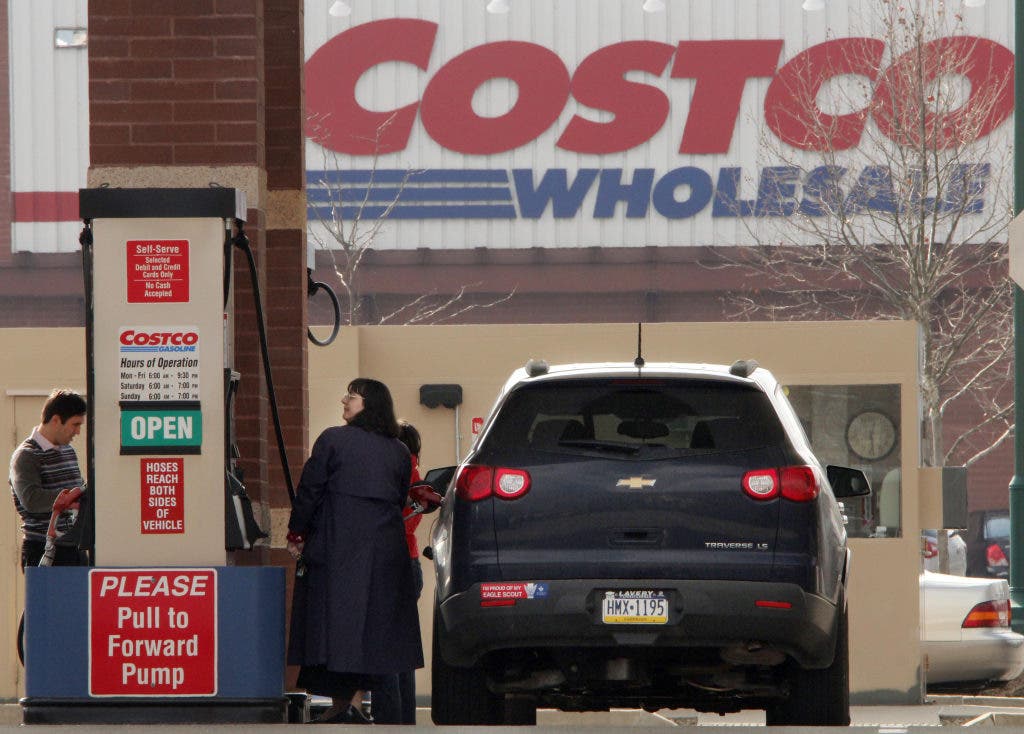
Whether the people of Woodland Hills welcome or want a proposed new Costco store at Warner Center is of little importance in regards to a lawsuit that seeks to stop the city of Los Angeles from allowing the project to move forward.
At issue is whether the development, which would become a part of the Westfield Topanga Mall, is in line with the Warner Center Specific Plan. The Woodland Hills Homeowners Organization, or WHHO, which filed the suit, says it is not.
California law requires cities to have general plans which guide planning and development (see the Los Angeles General Plan here). Within a city, there can be even more detailed or stringent guidelines for particular areas, and these are found in specific plans. Los Angeles has 45 specific plans, one of which is the Warner Center Specific Plan.
Find out what's happening in Woodland Hillsfor free with the latest updates from Patch.
The Warner plan has sections addressing everything from floor area ratios and building limitations to urban design requirements, signs, child care facility incentives and cultural amenities, but it’s the part designating the areas north and south of the Victory Boulevard and Owensmouth Avenue intersection, where the Costco development would be located, as an active urban environment for pedestrians and transit use that is at play in regards to the lawsuit.
The specific plan states “Wherever feasible, projects located along this corridor shall incorporate the objectives and design guidelines stated for the Owensmouth Parkway in the Urban Design Guidelines (contained in another part of the Specific Plan).” That part states the Owensmouth Parkway objectives include establishing a street that encourages pedestrian use by promoting pedestrian-serving activities and spaces, such as plazas, which invite public gathering and public participation.
Find out what's happening in Woodland Hillsfor free with the latest updates from Patch.
Though WHHO president Gordon Murley declined to comment on the matter, explaining board members do not discuss the lawsuit out of court, WHOO, in its suit, claims Costco—and in particular its filling stations, loading docks and tire center, which are the closest features to Owensmouth Parkway—are not pedestrian-oriented uses.
“Indeed, they are antithetical uses to encouraging pedestrian oriented uses, given the strict focus on the automobile,” the suit says.
It goes on to assert, “There are no pedestrian amenities that link Owensmouth Parkway to or allow safe and pleasant access into the Project site for a pedestrian. Indeed any pedestrian seeking entry into the Project directly from Owensmouth Parkway would be required to navigate through a large surface car parking lot and through a very large covered parking lot before arriving at any pedestrian enhancements.”
So far, the City disagrees, as the project has passed through council approval processes.
So does the Woodland Hills-Tarzana Chamber of Commerce. In fact, it plans to drop the home owners group from its membership if the organization does not drop the lawsuit, according to an April 16 Daily News article.
"This is in direct conflict with what the chamber stands for. We want this development for our community," Chamber Chief Executive Officer Diane Williams told the Daily News.
The Woodland Hills Warner Center Neighborhood Council also is concerned with the project and, according to Chairman Scott Silverstein, spent many hours meeting with Fairfield, which owns the land on which the Costco would be built, and Costco trying to make what the council considers improvements to the project.
"The biggest problem that they have right now is the gas station, as far as the neighborhood council is concerned," he said, but made clear the council is in no way involved with the law suit.
"The neighborhood council has absolutely nothing to do with that law suit. We did not authorize it; we did not participate in it; we had no affect in the drafting of that law suit," he said. "I want to be sure that's clear because a lot of people walk up to me and say, 'Why are you doing this?' "
A neighborhood council cannot sue the city because it is part of the city, Silverstien pointed out.
Even so, he said, the council never discussed a law suit.
"We never went there. All we did was say that we would prefer that the project be modified," he said.
WHOO president Murley explained to members attending the organization’s May 23 general meeting that the next step in the lawsuit is a Nov. 12 court date.
Get more local news delivered straight to your inbox. Sign up for free Patch newsletters and alerts.