Sports
Inside Sports: The Hunt, The Hobby, The Business (Pt. 2)
Part two of our insider look at the world of autograph collecting.


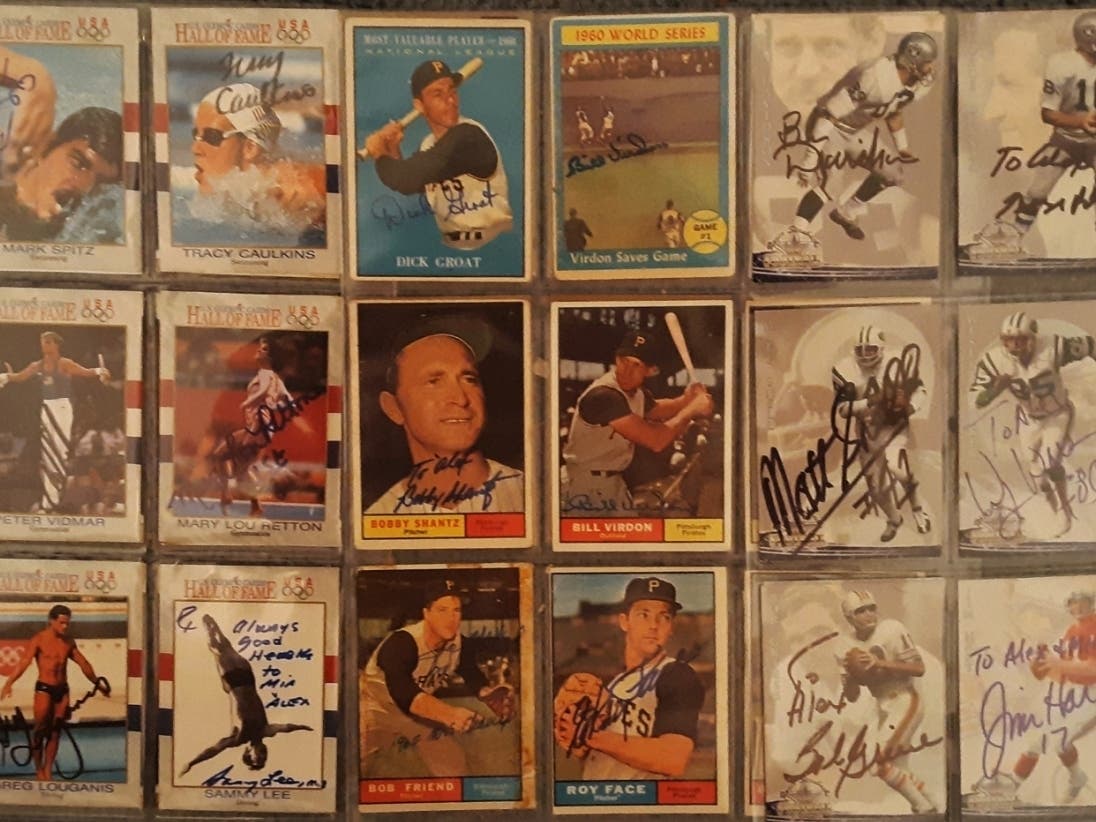
Part one of our new series called "Inside Sports," in which we explore tangential aspects of the sporting world, examined the quest of autograph seeking at ballparks and venues. Part two will deal with the hobby of obtaining athlete and celebrity signatures via good old fashioned U.S. mail.
A simple process to collect autographs through the mail (or "TTM") has not changed much over the years. Write a personal note to the star whose signature you wish to get, include your cards or photos and, most importantly, include a self-addressed stamped envelope. Keep in mind that some will be returned very quickly; some may take weeks, months or even years; and some will never be seen again.
Tracking your requests
Find out what's happening in Across Connecticutfor free with the latest updates from Patch.
I sent hundreds of letters to ballplayers and actors in the late 1970s to early 1980s, and used to keep a spiral notebook of the dates sent, dates received and number of items obtained. That basic system is still in use by collectors today, though on a much more sophisticated level in this digital age.
A number of online databases are available to collectors, such as SportsCardForum.com, which provides valuable information about players and celebrities like mailing addresses and successes or failures. Registered users input notes about the number of items they sent, when they received a response, the number of days it took to obtain it and, if the user chooses, photos of their returns.
Find out what's happening in Across Connecticutfor free with the latest updates from Patch.
When my son Alex began sending out letters when he was around 11 years old, he would scrutinize the forum before deciding to whom he would mail his requests. Anyone with a poor track record would be bypassed, thus leading to a success rate of about 92 percent.
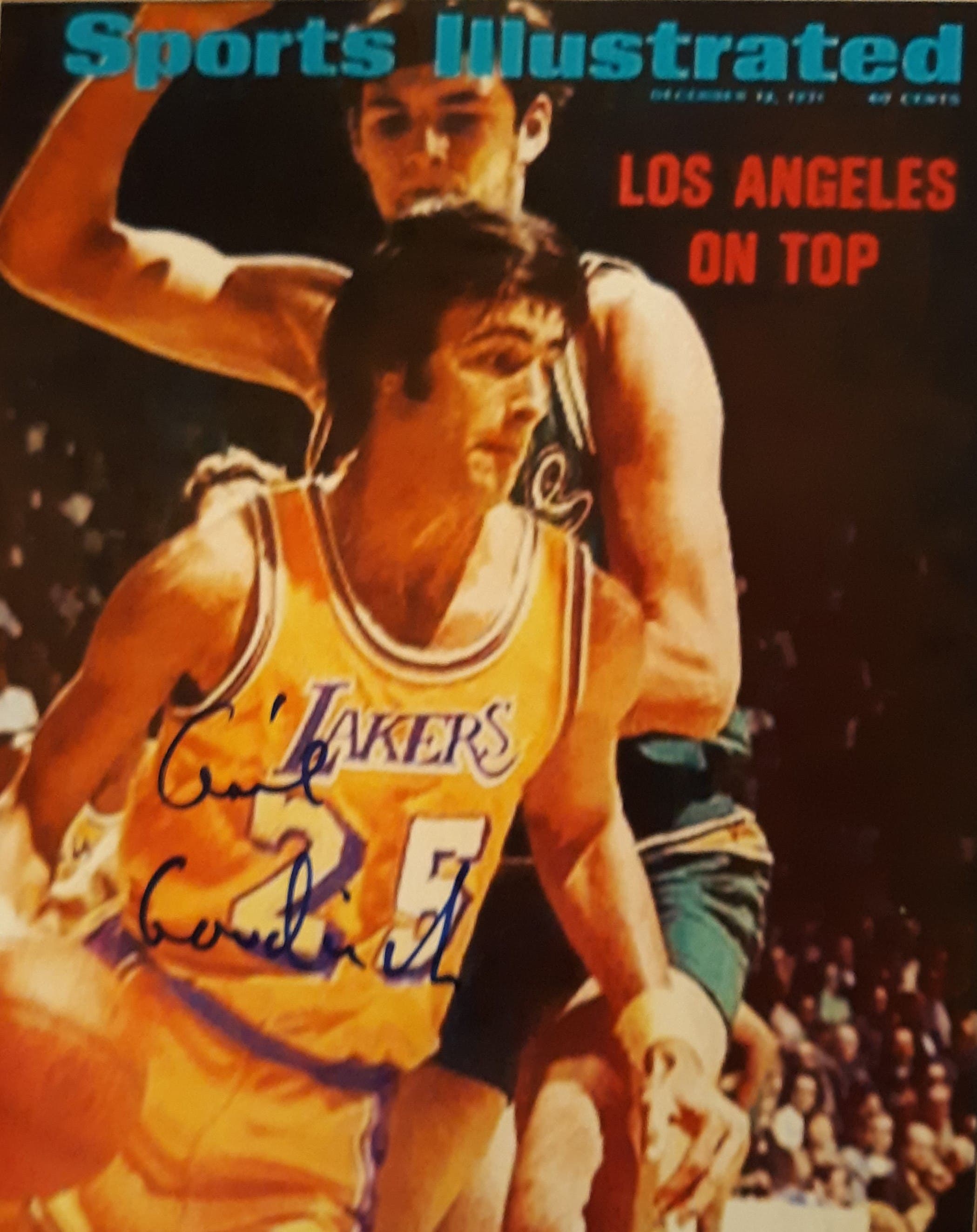
His personal records for shortest and longest response time both came from adjoining towns in southwestern Connecticut, our home state. Basketball Hall of Famer Gail Goodrich took just two days to return his 1971 Sports Illustrated cover, sent to a post office box in Greenwich. Alex mailed it on a Monday, it must have arrived the next day at Goodrich's box and been opened and returned immediately, for it arrived back in Alex's hands that Wednesday.
At the opposite end of the spectrum, former Major League Baseball player and manager Bobby Valentine was sent a card on Aug. 23, 2010, which showed up in my kids' mailbox on Jan. 16 of this year, a wait time of 3,068 days, or nearly eight and a half years. I would love to find out where it was all that time.
By the way, the longest span I recall from my collecting days was from the late, great Bea Arthur ("and then there's Maude..."), whom I mailed in 1982. One day in 1995, I unexpectedly received a large manila envelope, containing an 8 x 10 photo inscribed, "To Tim, Sorry it took 13 years. Love, Bea Arthur."
Some sign, some don't, and some charge
Nearly every former pro athlete I know, particularly those with trading cards issued, tells me they receive autograph requests in the mail on a regular basis. 12-year pro hockey veteran Doug Roberts, who started his career alongside the legendary Gordie Howe with the Detroit Red Wings in 1966, said he "is surprised" he still gets letters more than four decades after his retirement.
Barry Pearson, who had a brief NFL career with the Pittsburgh Steelers and Kansas City Chiefs and was on the field during the famous "Immaculate Reception" playoff game-winning touchdown by Franco Harris, said, "I get cards all year long, maybe 40 or 50, and more as it gets closer to football season."
At a Memorial Day weekend event in Cooperstown, N.Y., 14-year Major League Baseball veteran Brett Tomko, whose image appeared on over 400 different trading cards from numerous companies, said he receives requests by mail constantly. "My wife doesn't want me to sign them, because then I'm confirming that's where we live," he chuckled.
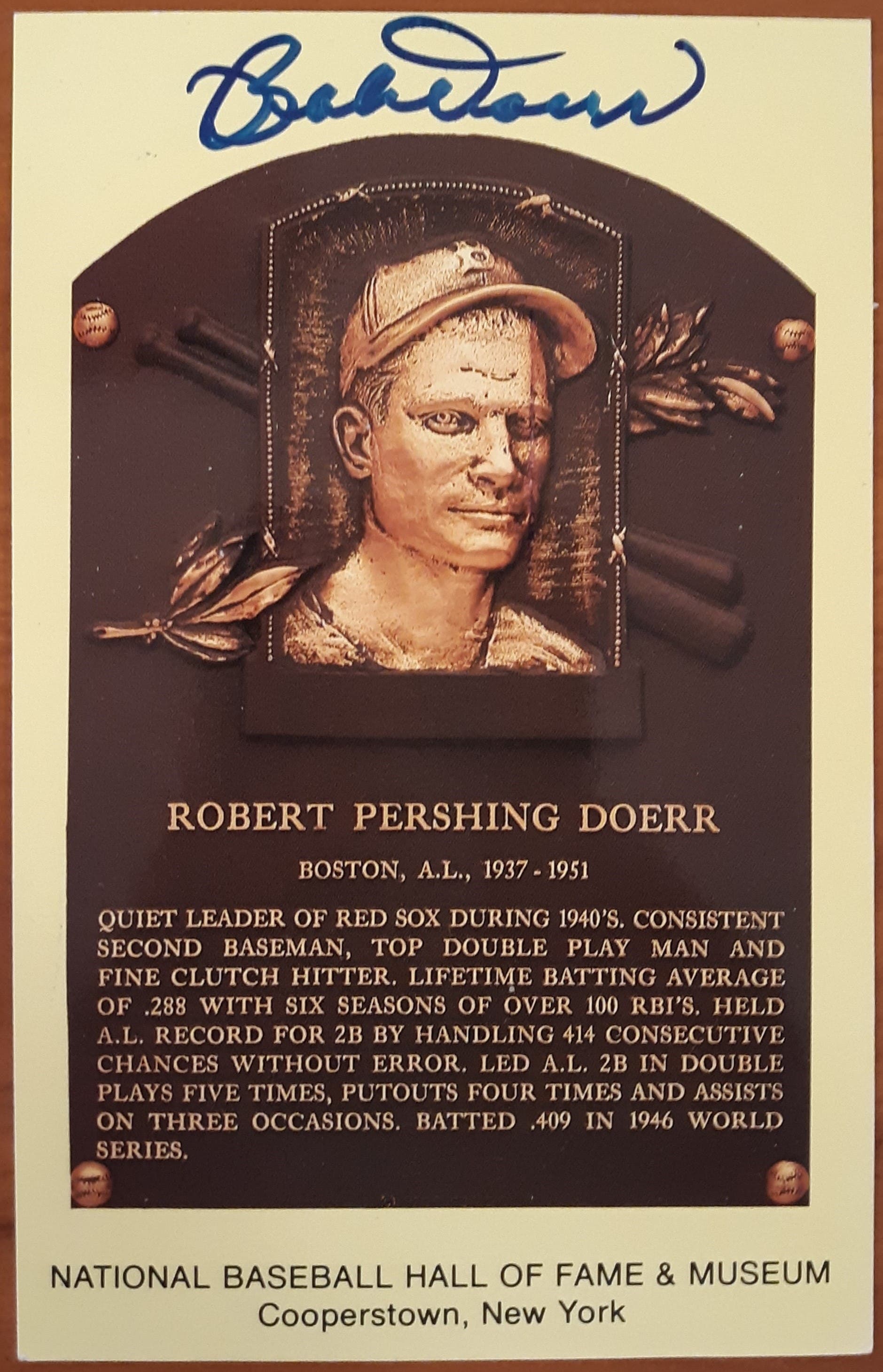
Fame and status does not necessarily ensure success or failure when requesting autographs TTM. Until he died at nearly 100 years of age, Baseball Hall of Famer Bobby Doerr was highly regarded in the collectors' community for signing every item sent to him. Conversely, a number of obscure players, who one would believe would be thrilled to have someone seeking their signature, flat out refuse (I will not mention any names here).
A trend likely initiated by the monetary aspect of the autograph and memorabilia industry has been for some players to charge a fee to sign through the mail. Big stars are likely to now charge for their signatures, but some virtually unknown ballplayers have returned cards unsigned, sometimes including price sheets.
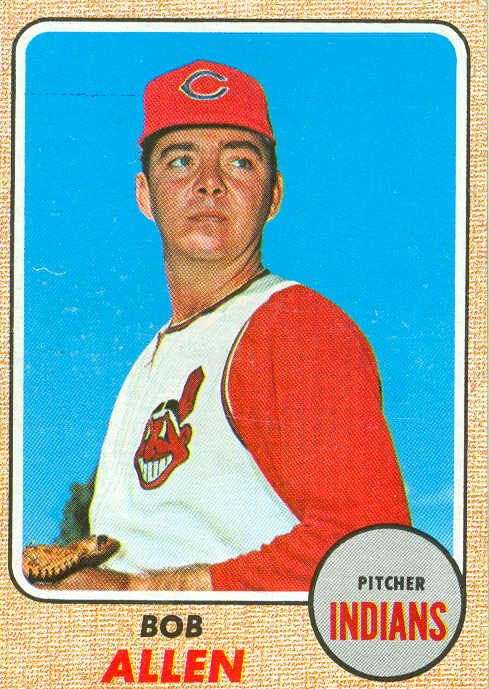
A bizarre example my kids experienced was from former Cleveland Indians pitcher Bob Allen, who had a short, modest career in the 1960s. Their handwritten request, obviously from a youngster, was returned unsigned with a note demanding $100 per signature. You read that right - $100 apiece! Surely any 11-year-old will reach right into their piggy bank in order to obtain that collectible. Who does Mr. Allen see when he looks in the mirror? Sandy Koufax? Nolan Ryan? Mariano Rivera?
I thought perhaps this was a joke, or at least a case of mistaken identity. Nope. In a 2017 post on the great web site BaseballByTheLetters.com, Tom Owens wrote:
"Pitcher Bob Allen, back in 2013, was shocking through-the-mail collectors by demanding $100 per autograph. What about today? One hobbyist on the always-cool www.sportscollectors.net reported that Allen wants $500 per autograph. If anyone gets a response from Allen that includes WHY anyone should pay $500 for his autograph, I’d love to know."
Are they real?
Unless you actually witness the athlete or celebrity autographing your item, there is not 100 percent certainty they were the person who actually signed it. Companies such as James Spence Authentication (JSA) charge a minimum of $35 per item for a letter of authenticity, but even their experts are only offering a professional opinion based on known examples of the celebrity's signature. Forgeries, including some on a large-scale basis, are known to be common these days.
Why bother spending money to get autographs authenticated? Because the "hobby" has shifted for many collectors into a big business venture, with huge dollar signs in their sights. That will be the topic of the final installment of this three-part story; look for it early next week.
Get more local news delivered straight to your inbox. Sign up for free Patch newsletters and alerts.