Business & Tech
To Sell Or Not To Sell Beer On Sundays
That is the question Berlin store owners wait to be answered by the legislature.


The issue of Sunday liquor sales has been brewing in Connecticut for years. Grocery store owners and liquor suppliers have long encouraged the idea of Sunday alcohol sales while package store owners have consistently voiced opposition to it. The issue is generating a lot of buzz once again this year, primarily due to the fact that Governor Dannel Malloy has said he would sign a bill allowing Sunday sales whereas former Governor Jodi Rell had promised to veto any such bill.
A new bill was recently introduced (HB 6264) that would authorize Sunday alcohol sales effective October 1, 2011. Many Berlin business owners are following the case closely, because if the law passes, they will feel the effects immediately.
Grocery stores like Roger’s Marketplace and Stop & Shop, which are already open for business on Sundays are expected to benefit from the proposed law as these stores would be allowed to sell beer one extra day each week while incurring little or no extra costs. “We do expect an increase in sales, because Sunday is one of our busiest shopping days of the week,” said Roger Perno, owner of Roger’s Marketplace. “People are accustomed to shopping on Sunday. We feel if they’re already here and they need beer, it makes it convenient for them to be able to do so and they won’t have to worry about projecting whether they will need it on a different day of the week.”
Find out what's happening in Berlinfor free with the latest updates from Patch.
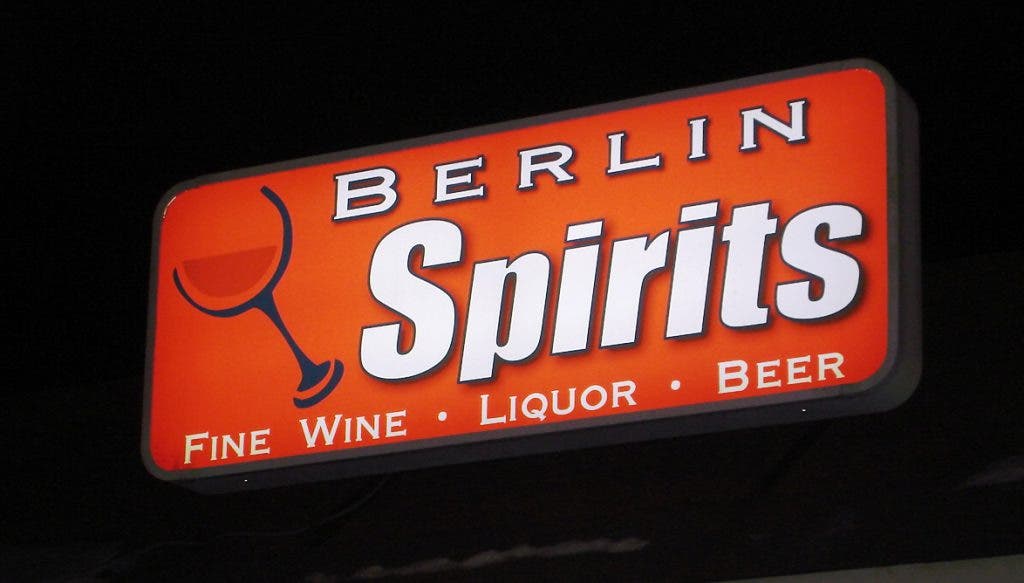
Package store owners, however, say that if they have to open their doors on Sunday, they’ll incur costs that will far exceed any additional revenue they take in. “Package store owners are the ones who are going to hurt,” said Frank Facciolo, owner of Berlin Spirits. “We’ll need to open our stores another day and incur a lot of extra expenses. We feel business is just going to be spread over seven days instead of six. I don’t think we’re going to do any extra business, maybe a very, very small amount, but nothing to make it worth us being here (on Sunday).”
Facciolo and other package store owners fear the law will even put smaller package stores out of business. “I really feel bad for the store that is a mom and pop, that’s a one person operation or one person and one employee business,” said Facciolo. “Those people are going to be gone. They’re absolutely positively going to be gone. It’ll take a little time, but they won’t be able to survive. We’re going to lose hundreds of stores if this law goes through.”
Find out what's happening in Berlinfor free with the latest updates from Patch.
Roger Perno disagrees that package stores will have to close. “I don’t see how the law would adversely affect them. They would have the option to close on a different day of the week if they prefer to stay open on Sunday,” he said. “They could also look at it as an opportunity to sell more product and increase sales.”
Pat Memery, owner of Main Street Package Store, said she currently works six days a week at her small store, and Sunday is the only day she has to spend with her family. She said she’ll miss out on a lot if she has to be in the store waiting for customers on Sundays.
“It’s going to be tough if this bill passes,” she said, noting that her business is already slow due to the poor economy. “It’s not like the economy is booming. People are losing their jobs and have no money to spend, so how many more people do we expect to walk into the liquor store on Sunday?” she said. “You would think that the government that’s taxing us to death would say, okay let’s give them a break and not push this issue because they’re already struggling as it is. They just think about revenue and come up with this $8 million figure.”
The $8 million amount refers to additional tax revenue the state expects to generate from Sunday alcohol sales. It is an estimate that was provided by proponents of the bill. Other estimates put the figure at about $3 million while package store owners say the real number is significantly lower than that. They claim any extra tax revenue will be insignificant and will do little to help the state deal with its huge budget deficit.
“They say they’re going to make $8 million in additional state taxes. Those are fictitious numbers. To do that, they’d have to do over $100 million dollars in more business. $100 million dollars in sales is like 150 really good package stores,” said Facciolo.
Proponents of the bill also argue that Connecticut is currently losing tax revenue to neighboring states that do allow Sunday sales and that the bill will allow Connecticut to recapture that lost tax revenue.
Facciolo dismisses this argument and says the main reason Connecticut residents go over the border to buy alcohol is because those states have better prices, not because they’re open on Sundays. “Our taxes are way higher than Massachusetts, so our prices are higher and that’s why people go over the border. Sunday sales are a very small part of the reason why they go over the border,” he said.
Roger Perno raised another point in the complex debate. “We’ve been programmed that this is the way it is. It’s one of those taboo subjects that you don’t change, because it’s been in place for so many years. But look at fact that bars and restaurants can sell liquor on Sundays – and on holidays – but we can’t sell beer on those days. Why should supermarkets be penalized?” he said.
The impact of the proposed bill was debated at length during a legislative hearing held in Hartford on Tuesday. After listening to arguments on both sides of the issue, legislators rendered no decision. Berlin business owners will have to wait a while longer to find out if politicians will tap into Sunday liquor sales or not.