Neighbor News
Fibromyalgia is reversible with guaifenesin-article and new support group info
Please read this article on reversing fibromyalgia. Bethel CT support group starting now. Call or text Kim at 203-300-2648 to join in.
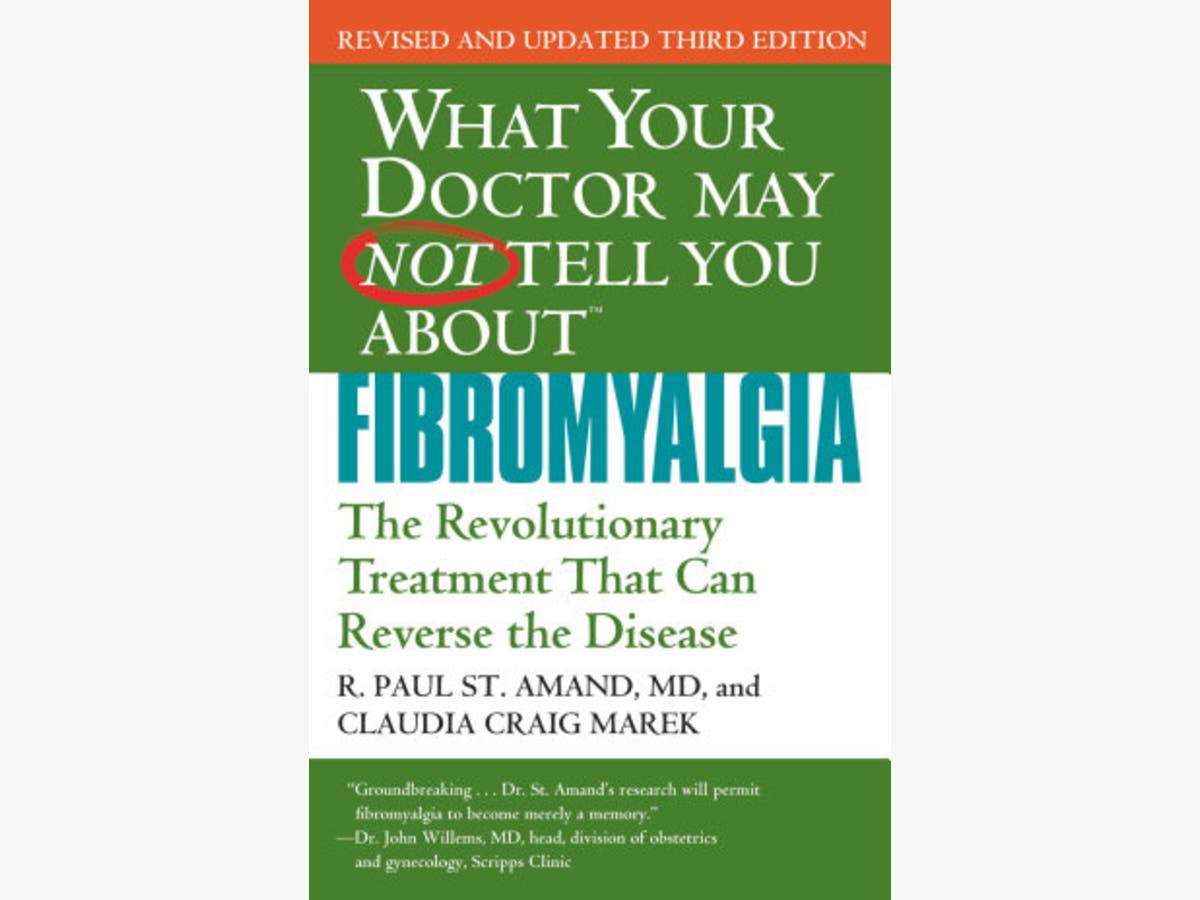
The Guaifenesin Protocol for Fibromyalgia
By Karen Lee Richards • www.ProHealth.com • December 3, 2015
Find out what's happening in Bethelfor free with the latest updates from Patch.
Guaifenesin, derived from the guaiac tree, has been used as medicine for centuries, although it didn't receive FDA approval until 1952. An expectorant, guaifenesin is most commonly used to treat coughs. It works by loosening the mucus in your lungs when you have chest congestion due to colds, flu or allergies.
Now you may be wondering what in the world guaifenesin could possibly have to do with the treatment of fibromyalgia. Excellent question!
Find out what's happening in Bethelfor free with the latest updates from Patch.
The guaifenesin protocol for treating fibromyalgia was developed by Dr. R. Paul St. Amand in the early 1990s. The protocol was based on his belief that phosphate deposits throughout the body were the cause of fibromyalgia and that FM symptoms could be reversed by removing excess phosphates from the body, which he said guaifenesin would do.
How the Guaifenesin Protocol Was Developed
Dr. St. Amand began to formulate his phosphates theory when one of his patients, who was taking medication for gout, demonstrated how he could scrape tartar (calcium phosphate) off his teeth with his fingernail. Dr. St. Amand speculated that some mutant gene may be interfering with adequate urinary excretion of phosphates. If that were true, it could cause a system-wide retention of phosphates, which would seriously affect the mitochondria (the energy producers in each cell of the body). The resulting cellular fatigue could cause the kind of body-wide malfunctions found in fibromyalgia.(1)
At first, Dr. St. Amand tested his theory by prescribing gout medication for his FM patients. Over the years, however, he has fine-tuned his approach to treating fibromyalgia. He says he no longer prescribes gout drugs (uricosurics) for FM, but instead uses guaifenesin exclusively because side effects are rare, there are no known drug interactions, and it is even safe for children.(2)
Challenges of the Guaifenesin Protocol
Following the guaifenesin protocol for fibromyalgia is not for the faint of heart. Two factors can make it a challenging treatment choice, but the many people who have experienced significant improvement from carefully following the protocol will tell you it's well worth the effort. Following are the two primary challenges of the guaifenesin protocol:
1. Salicylates block the benefits of guaifenesin for FM – Salicylates are derivatives of salicylic acid that occur naturally in plants and can be found in many medications, supplements, cosmetics, personal care products, topical medications, creams, lotions and gels, etc. It is essential that anyone taking guaifenesin for FM avoid using any products containing salicylates. Because tea is a particularly strong blocker for people with FM, Dr. St. Amand also recommends you drink no tea of any kind.(2) If you choose to follow the guaifenesin protocol, it is essential that you become familiar with the names of ingredients that contain salicylates and religiously read the labels of anything that goes into your mouth or onto your skin.
Dr. St. Amand provides two pages on his website to help you navigate the salicylate minefield:
- ###liquick-check list of key words to look for to identify salicylates in ingredient lists.
- Downloadable files that identify salicylate-free products for a wide range of product categories. ###a>
2. The Herxheimer Reaction – People on the guaifenesin protocol usually experience an intensification of symptoms at first; then as phosphates are cleared from the body, the symptoms gradually improve. Simply put, you get worse before you get better. This is sometimes referred to as a Herxheimer Reaction (or herxing). A true Herxheimer Reaction is part of the immune system's detoxification process and occurs when large amounts of pathogens are killed off and the body doesn't eliminate the toxins quickly enough. While clearing phosphates from the body is not exactly the same thing, what the patient experiences is very similar.
According to Dr. St. Amand, this worsening of symptoms is a key part of the protocol. In fact, it is how he determines when the correct dosage of guaifenesin has been reached. Sometimes patients may even experience new symptoms, but he stresses that these are not side effects; rather they are a signal that the guaifenesin is working.
Guaifenesin Dosing
Dr. St. Amand begins patients on 300 mg of guaifenesin twice a day for a week. If they feel distinctly worse, that dosage is considered adequate and they remain on it. About 20% of patients find this dosage sufficient.
If symptoms do not get worse, he increases the dosage to 600 mg twice a day. This dosage proves to be adequate for approximately 60% of patients.
For the remaining 20% of patients, the dosage is increased gradually – adding 300 mg twice a day each week until symptoms begin to worsen.(1)
Measuring Improvement
In addition to tracking symptoms, Dr. St. Amand uses a technique he calls body mapping to measure how well the guaifenesin treatment is working. During a patient's first visit, he uses the pads of his fingers to palpate the patient's musculoskeletal tissues –– muscles, tendons and ligaments. He marks any swollen places (also called lumps or lesions) he finds on a printed diagram of the body, noting location, size and degree of hardness. He repeats this procedure on subsequent visits. As the patient improves, the swollen places will soften and eventually vanish.(2)
Although symptoms seem to get worse at first, patients who have successfully used the guaifenesin protocol report that they soon began to experience symptom relief for a few hours a day. Then the hours clustered into days and the days clustered into weeks of feeling better. Some say that the longer someone has had FM, the longer it takes to clear the phosphates and experience improvement.
Research and Controversies
The Guaifenesin Protocol has long been controversial in medical circles. In 1995, the world-renowned fibromyalgia researcher and clinician Dr. Robert Bennett led a year-long study on guaifenesin for FM. Dr. St. Amand served as the technical advisor for the study. The results of the study showed no significant FM symptom improvement nor was there a difference between those taking guaifenesin and those taking a placebo.(3)
Since the relationship between guaifenesin and salicylates was just beginning to be realized at the time, Dr. St. Amand contended that the patients in the study must have unknowingly used products containing salicylates, thus blocking the effects of the guaifenesin.
Still determined to validate the effectiveness of guaifenesin for fibromyalgia, Dr. St. Amand is currently working with research teams at The City of Hope in Duarte, California to conduct the kind of tightly controlled, credible studies required in order for the medical community to accept guaifenesin as a legitimate treatment option for FM.
In June 2008, Dr. St. Amand's research team published a study in the journal Experimental Biology and Medicine demonstrating that some abnormal findings in fibromyalgia were changed when patients took guaifenesin.(4) That study was followed by two additional studies published in 2009 and 2013. (5-6)
Additional Reasons Guaifenesin May Work
Although many in the medical community do not agree with Dr. St. Amand's theory as to how and why guaifenesin works, there is no denying the fact that he has had a great deal of success treating thousands of fibromyalgia patients using this protocol. Dr. Bennett speculated that his success was largely due to the placebo effect.(7) However, while the placebo effect could account for the improvement experienced by some patients, it's hard to imagine that it could explain the high success rate Dr. St. Amand claims.
A paper by Mark London, published on the Massachusetts Institute of Technology website, notes several additional reasons why guaifenesin may be beneficial for fibromyalgia patients, including:(8)
- Guaifenesin can act as a skeletal muscle-relaxant by depressing transmission of nerve impulses in the central nervous system.
- Guaifenesin has been found to have an analgesic effect by itself and may also increase the effect of other pain relievers including acetaminophen and opioids.
- Since many people with FM have some form of sleep disordered breathing, the expectorant property of guaifenesin may relieve congestion, which could improve sleep and thus help reduce symptoms.
What Patients Say About Guaifenesin for Fibromyalgia
In a poll taken by Drugs.com, 53 FM patients rated the effectiveness of guaifenesin for fibromyalgia. Out of a possible 10 points, 77% (40 people) rated it eight points or higher, and only 14% (7 people) rated it lower than a five.(9)
Guaifenesin is one of ProHealth's most popular products. Following are a few comments from FM patients using guaifenesin:
“Surprisingly, Guaifenesin FA is effective in reducing pain and promoting better sleep. The pure form is much better for those of us who have chemical sensitivities.” – Diana
“Guaifenesin FA has helped me get off the high powered pain prescriptions and have a more normal life. Using the Guaifenesin protocol has made a huge difference in my mobility and activities. Great product.” - Pat
“My FMS symptoms are what I consider to be reversed. I've been on the Guai six years but it helped me almost immediately. I am now on a maintenance dose to keep my symptoms reversed.” – Mikie
References:
1. St. Amand RP, Marek CC. “The Guaifenesin Protocol – Treating Fibromyalgia.” Fibromyalgia Treatment Center. Retrieved 11/29/2015.
2. St. Amand RP, Marek CC. Fibromyalgia Paper – For Patients. Fibromyalgia Treatment Center. April 2014.
3. Bennet RM, et al. “A randomized, rrospective, 12 month study to compare the efficacy of guaifenesin versus placebo in the management of fibromyalgia.” Fibromyalgia Information Foundation. 1995.
4. Zhang Z, et al. “High Plasma Levels of MCP-1 and Eotaxin Provide Evidence for an Immunological Basis of Fibromyalgia.” Experimental Biology and Medicine. June 2008.
5. Feng J, et al. “Missense Mutations in the MEFV Gene Are Associated with Fibromyalgia Syndrome and Correlate with Elevated IL-1ß Plasma Levels.” PloS One. December 2009.
6. Feng J, et al. “Discovery of Potential New Gene Variants and Inflammatory Cytokine Associations with Fibromyalgia Syndrome by Whole Exome Sequencing.” PloS One. June 10, 2013.
7. Bennet RM. “Speculation as to the mechanism whereby some of Dr. St. Amand's fibromyalgia patients experienced improvement while taking guaifenesin.” Fibromyalgia Information Foundation. Retrieved 11/30/2015.
8. London M. “The Truths and Myths of the use of Guaifenesin for Fibromyalgia.” Massachusetts Institute of Technology. 6/16/2014.
9. “Reviews for Guaifenesin to treat Fibromyalgia.” Drugs.com. Retrieved 11/30/2015.