Community Corner
Yes, More Bees, Birds And Butterflies, Please
As Branford firefighters transform vacant land around the department into pollinator-friendly habitats, Madison and Guilford also love bees!


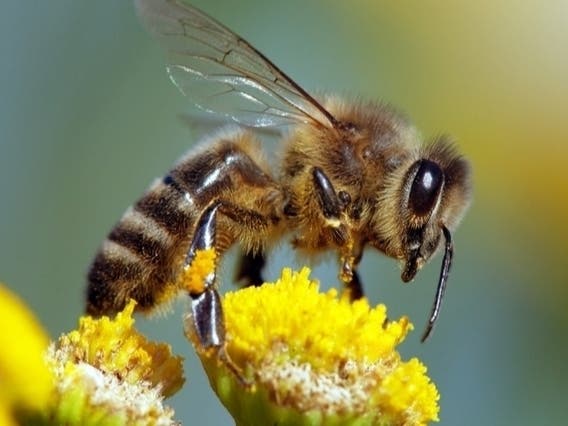

BRANFORD, CT — The plan is to have bees, butterflies, hummingbirds and other pollinating insects and wildlife buzzing around the Branford Fire Department headquarters. And you can help firefighters transform vacant land around fire department headquarters into pollinator-friendly habitats called Pollinator Pathways.
The Branford Fire Department announced the creation of its own Pollinator Pathway. This project encourages the transformation of vacant land into pollinator-friendly habitats by planting native trees, shrubs, and herbaceous ground cover.
Find out what's happening in Branfordfor free with the latest updates from Patch.
Pollinators are vital to food production, proper functioning of the ecosystem, and our overall well-being. The steep decline in their populations is due to habitat fragmentation and destruction, air pollution, the use of pesticides, monocultures, and the spread of invasive species. Plans are underway to transition grassy areas around the firehouse into a lush pollinator paradise. We are looking for donations to purchase plants, soil amendments, mulch, and other supplies needed to create and maintain a safe home for our native birds, bees, and butterflies.
And the Branford Land Trust also has its own Pollinator Pathway initiative underway. Learn more here.
Find out what's happening in Branfordfor free with the latest updates from Patch.
Meanwhile, the Branford Fire Department goal is to raise enough money, around $2,500,for kelp, compost, straw, mulch, wildflower seeds, native shrubs and lawn signs.
People can help their efforts by following on Instagram, visiting the Pollinator Pathway projector, with donations of plants, soil, supplies etc. If you would like to donate those items please contact ademitrack@branfordfire.com
View this post on InstagramThank you to Branford residents for donating native plants to help get our garden off to a great start! If you have native plants in your garden that need a new home we will be happy to house them here are fire headquarters. Furthermore, we have almost reached our financial goal thanks to your generous support. Thanks again EVERYONE and enjoy your summer!! https://www.patronicity.com/project/branford_fire_department_pollinator_pathway_1#!/ #branfordct #branfordlove #pollinators #pollinatorgarden #pollinatorpathway #pollinatorplants #sustainablect
A post shared by BFD Pollinator Pathway (@morebees_please) on Jul 20, 2020 at 8:01am PDT
Pollinating Guilford
Meanwhile, Guilford, according to the town's Pollinator Pathway's Facebook page, has agreed to protect an established stand of milkweed at the top on Mulberry Point Road on property that abuts Land Trust Property. Milkweed is the only food and host plant for the endangered monarch butterfly, and this habitat has been steadily declining.
"Guilford is indeed blessed with a substantial number of lakes, streams, two rivers, and protected open land that creates fly-ways for birds, and suitable undisturbed habitat for nesting bees. Native plants and oak trees are abound here," the Facebook reads. "Oak trees alone are host to 530 different varieties of caterpillars for birds to feed their offspring."
Additionally, the group has "hopscotched a corridor of pollinator-friendly gardens from the shoreline up to Durham within 1/2 mile of each other."
Pollinator-friendly gardeners, or people who want to be pollinator-friendly gardeners, can register their gardens online here.

In Madison, the mission is the same: "promote awareness of the crucial roles that bees, butterflies and other pollinators play in sustaining our environment and supporting food availability, and also to support efforts to preserve, protect and develop pollinator-friendly habitats on public and private land in Madison."
On the Madison Pollinator Pathway Facebook page, it's noted that, "Our pollinators—bees, flies, butterflies, birds—are not just interesting to look at. They are an essential part of the web of nature, the circle of life. These important organisms need places to breed, plus nectar, pollen and other nutrients such as those that milkweed supplies."
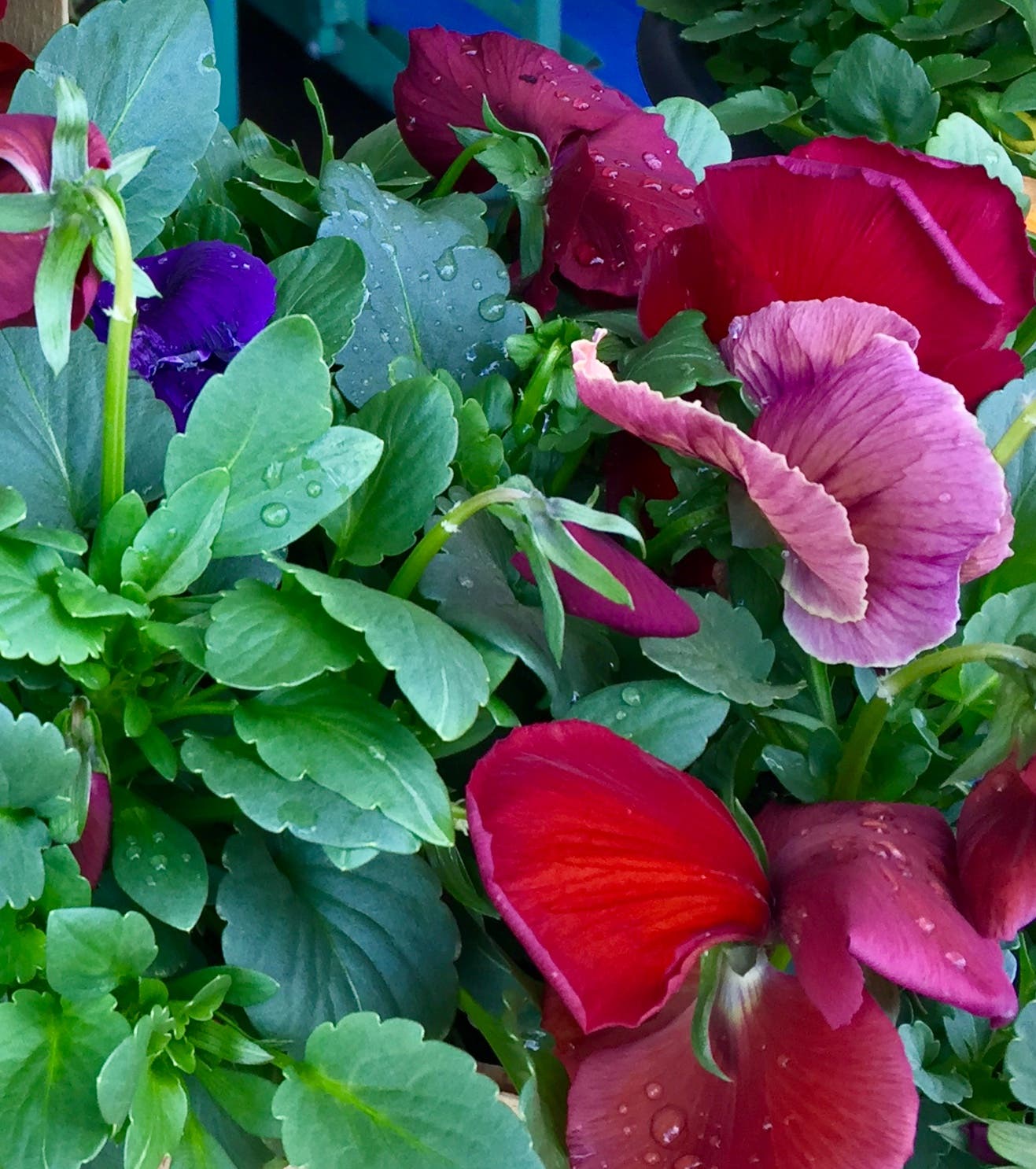
"Madison residents can help build a contiguous corridor, a highway in town for pollinators. By joining the pollinator pathway project residents can help connect their properties to land trust sites, town and state gardens and other private properties," the group says. "Agreeing to be a part of the pathway will improve the environmental health of Madison by increasing the population of native plants in town and also dramatically eliminate pesticides that may move into our local bodies of water."
Get more local news delivered straight to your inbox. Sign up for free Patch newsletters and alerts.