Neighbor News
Advocating for Justice and Awareness in the Face of Police Misconduct.
Traumatic brain injury, the court system, and the pursuit of justice for police misconduct.

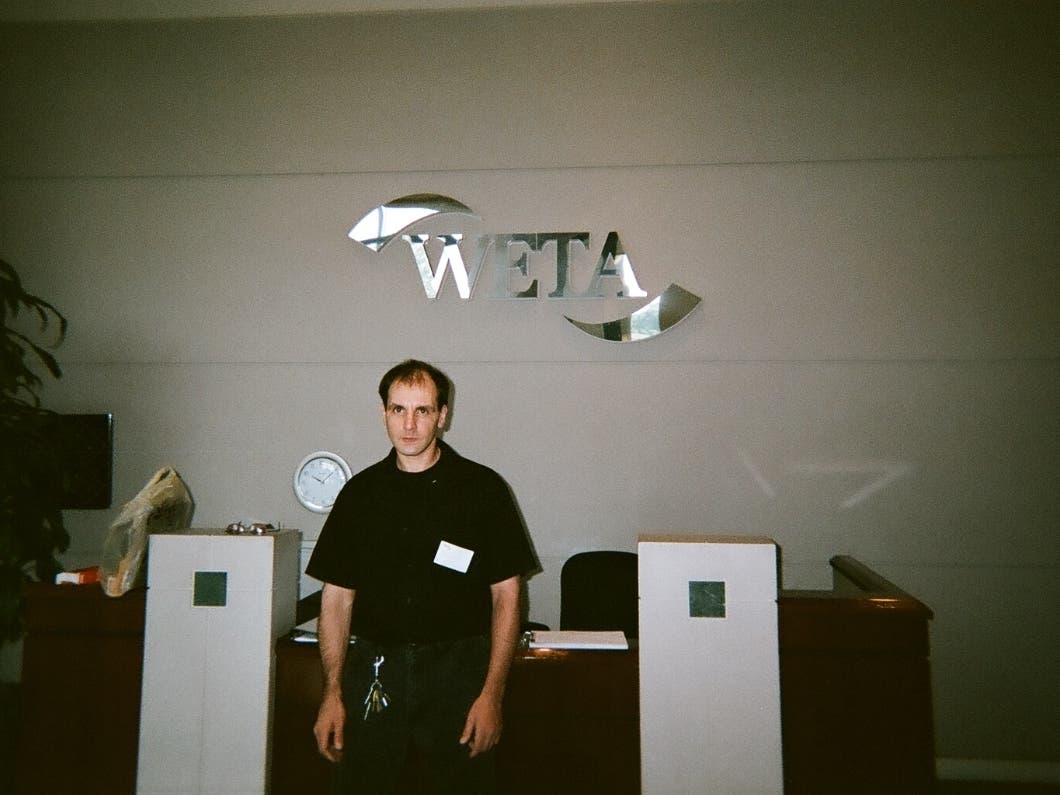
My name is Craig Sears. As a traumatic brain injury (TBI) survivor, I am fighting back against the lies told by the police; it has been a crucial part of my journey as a TBI survivor. I have faced discrimination and misunderstanding from both the medical community and the public, leading to repeated placements in institutions and false arrests.
I am committed to raising awareness about TBI and demanding accountability from the legal system. I refuse to be victimized again by stigma, ignorance, and deceitful law enforcement tactics. I am fighting back and not giving up.
I am sharing my personal experience of being wrongfully accused. I was set up and framed by the police. Detective Jeffrey Holtz, badge 40462, of the Bridgeport, CT, Police Department orchestrated this injustice against me. It all started with the revelation of a misrepresented vehicle. A fictional narrative also emerged. Together, these events set in motion a troubling investigation.
Find out what's happening in Bridgeportfor free with the latest updates from Patch.
Since the court concealed police misconduct from the public, I am committed to ensuring accountability by revealing their names, including Judge McShane, who played a role in covering up the case.
I strive to expose Holtz and the Bridgeport, CT, Police Department's dishonest activities. I aim to hold them accountable. I also want to prevent others from enduring the same harm and inequity. A fair and just society cannot exist when abuses of power stay unchecked.
Find out what's happening in Bridgeportfor free with the latest updates from Patch.
In detailing my story, it is crucial to understand the concept of malicious intent. It is where individuals intentionally cause harm. They do so while flouting the very law they are sworn to uphold. The Bridgeport Police Department’s actions severely undermined the integrity of our legal system. Their actions highlight the profound unfairness faced by innocent people like myself.
My case is a prime example. It began with a bogus traffic stop involving fabricated evidence. The evidence included a stock photo of a car without a visible license plate. There was a nonexistent victim. Additionally, made-up story audio recordings presented as evidence were old, edited, and out of context. The entire situation was a total fabrication. It involved false claims and orchestrated arrests. All these elements indicated a concerted effort to frame me.
Officer Holtz not only approved reports but also created documents aimed at harming my reputation. These actions sowed embarrassment and distress. They led to my wrongful arrest and prosecution. Even more disturbingly, Holtz’s first investigation revealed my disability, which seemingly triggered bias against me.
I turned myself in upon discovering an arrest order issued against me. It was only after I retrieved a copy of the order from the court that I learned about the charges. I was bewildered by the absurdity of the accusations, particularly as Officer Holtz's fabricated story unraveled. I was not in Bridgeport when the incident happened, emphasizing that Detective Holtz deliberately targeted me. Faced with overwhelming evidence of my innocence, I became determined to clear my name. I sought justice not just for myself but for all those wronged by the organization. I had documentation, therapy receipts, and witness testimonies supporting my case—all of which were met with indifference by the authorities.
As many know, navigating the judicial system is a grueling ordeal. Prosecutors often push for plea deals to avoid trial, creating extra hurdles for individuals with non-visible disabilities like mine. I refused to accept any plea arrangement for a crime I did not commit, despite relentless pressures.
I have a history of advocacy. I participated in the Connecticut acquired brain injury (ABI) class action case. This case ultimately led to the state implementing the ABI waiver for individuals like me. Sharing my story through this well-documented program has empowered me. It has allowed me to help fellow survivors. It ensures they know they are not alone.
Today, I stand firm in my commitment to justice. Some in the government show biases and ignorance. These actions only worsen the struggles faced by those who are vulnerable. It is time to confront these injustices head-on. We must strive for a justice system that protects and serves all citizens.
A Personal Journey Through Police Misconduct.
I recently found myself in a legal battle. This battle has left me questioning the integrity of the police and the justice system. Through relentless effort and a demand for transparency, I unearthed a web of inconsistencies and fabrications involving my case.
To navigate my situation, I ensured I had access to my case files, including the state’s discovery evidence. I filed motions that permitted me to communicate directly about my case, an opportunity I fully utilized. After reviewing the evidence with my attorney, we found several inconsistencies. A photo presented as evidence of a car involved in the case was not mine. Additionally, the audio recordings appeared to be suspiciously altered. It soon became clear that the primary witness, Detective Holtz, was constructing a narrative rather than sharing the truth.
I requested a full copy of my case file. It included a photograph of the car. Holtz had used this car in an obvious effort to frame me. The audio evidence also made its way into my possession, and the findings were striking—clear signs of manipulation. Despite the documentation of fabricated evidence, the court seemed unwilling to acknowledge the significant inconsistencies.
In our investigation, we identified the exact vehicle Holtz used in the setup—one that bore no resemblance to my own. Yet the court continued to pursue the matter, disregarding the overwhelming evidence of forgery. I persisted in submitting motions, demanding a thorough investigation into the questionable recordings.
The incidents surrounding my arrest occurred on November 8, 9, and 10, as stated in the arrest order. Yet, I have irrefutable proof. On December 20, I was on the opposite side of town. I was far removed from the location of the alleged events. The arrest order reflected a different suspect description, further emphasizing the orchestrated nature of the situation.
A month after the supposed offenses, I surrendered to the authorities. I posted bond without ever engaging with Detective Holtz. I also never spoke to other officers about the case. The so-called interview recording of a witness, Rimo, illustrates blatant police misconduct and manipulation of evidence. Holtz’s arrest order, along with his actions, clearly shows his intent to mislead.
The chronology and details presented in the recordings raise significant doubts about their authenticity. Holtz’s testimony contradicts several reports. Those include the claim that my vehicle’s license plate was found miles away from the alleged crime scene. These discrepancies suggest an elaborate setup, fueled by a narrative crafted solely by Detective Holtz, devoid of third-party verification.
Listening to the recordings with different software revealed further anomalies, indicating they had been altered. The absence of any mention of criminal activity in the supposed December 21 interview is particularly telling. This lack of mention leads one to deduce the recording was carefully produced to mislead.
Moreover, the modifications include instances where Holtz is the sole voice discussing my alleged vehicle and its details. It contradicts multiple case reports. It becomes clear that the credibility of this recording is compromised, heavily influenced by Holtz’s perspective.
Various statements made during the recording highlight the ongoing discrepancies. A notable claim involves a father who could not provide a photograph of the vehicle. This is despite driving a Mustang. The suspect’s vehicle bore a New York license plate. This detail went unexamined.
This entire case underscores the troubling issue of police misconduct beyond just falsifying reports and evidence. The internal affairs division and the Police Commissioners Board have consistently overlooked these serious allegations.
Fabricating reports and misplacing my license plate number is not just wrong. It is also a breach of trust. It is disheartening to see such dishonesty in the legal system, which is supposed to uphold justice. The investigations have confirmed my claims; unfortunately, the truth is often overlooked.
Uncovering Police Misconduct and Legal System Failures in Bridgeport.
In a troubling turn of events, I became involved in a case. This case has exposed significant flaws within the Bridgeport Police Department. It has also revealed issues within the broader judicial system.
The ordeal began when I filed a court appearance. I requested an investigation into the case. It turned out to be fabricated against me. The individuals involved, including the alleged father, Mr. Ramos, were found to have no connection to the claims made against me. Mr. Ramos lives in a completely different location. He does not know the supposed offense. He does not recognize the woman identified by Holtz as his wife, nor does he recognize the young lady identified as his daughter.
The evidence I gathered reveals that my case was a hoax. It was a setup. It has transformed lives. It has also raised serious questions about the integrity of the police. It also raised questions about the legal system. The misinformation spread during the court proceedings has had lasting repercussions. All parties involved have been affected. I attempted to protect the privacy of those wrongfully implicated.
This situation begs the question: How often have the same unfounded insults and allegations been directed at others? The Bridgeport Police Department and its Detective Bureau have a troubling history. They accuse vulnerable individuals with dubious evidence. This includes relying on phony victim witnesses and manipulated recordings.
I provided the court, police internal affairs, and the commissioner’s board with recordings and reports. These aimed to shed light on these issues. However, my requests for a thorough investigation were denied. It feels like the framework meant to uphold justice is concealing misconduct. This concealment enables a cycle of abuse and power mismanagement.
Detective Holtz abuses his authority. His lack of accountability highlights the urgent need for oversight. It is essential to guarantee that police departments operate within ethical and legal boundaries. Are there policies in place to prevent the use of fake witnesses or the involvement of children as alleged victims? The internal findings suggest a disturbing pattern. Authorities often refuse to investigate allegations of police perjury and citizen complaints. It leads me to believe that such tactics are institutionalized.
Alarmingly, this is not an isolated case. The Bridgeport Police Department has faced multiple investigations into corruption and misconduct. Reports show that at least 17 officers were facing disciplinary action. They lied on official documents. This behavior sheds light on a culture of dishonesty that needs immediate attention.
The implications of a nolle prosequi—a formal notice that a case will not be prosecuted—are troubling. This designation obscures the truth, allowing misleading narratives to persist, ultimately placing innocent individuals at risk of being targeted again.
Throughout this experience, I have grappled with the perception of my mental health, particularly after my brain injury. The prejudices surrounding those with disabilities only add to the challenges I face. Detective Holtz has propagated lies. These lies further muddle the truth. They allow law enforcement to justify their actions. These actions obscure their legal breaches.
I participated in a government program for individuals with disabilities. This has given me a platform to share my experiences. It also allows me to advocate for accountability. I think about my journey. I invite my community to hold the network accountable. We must ensure that no one else experiences the same injustices I faced. It is time for transparency. The truth needs to emerge. Wrongful acts must be addressed within the Bridgeport legal system.
Repeated Misconduct by Bridgeport Police Department: A Personal Account.
A troubling series of events echoes past injustices. I find myself once again embroiled in a case. This case is brought against me by the Bridgeport Police Department Detective Bureau. The circumstances surrounding my current legal issues are like earlier allegations. This raises serious concerns about the validity of the evidence being used against me.
All three cases share alarming similarities. The same recordings are purportedly from a victim and a witness. They have been used to build a narrative. This narrative is both misleading and damaging. I recognized a tactic that seemed all too familiar, having encountered it before from the same detective bureau. This time, I was represented by Thomas J. Paoletta, the same public defender appointed in my earlier case. Unfortunately, history seemed to repeat itself. He pressured me into accepting a plea deal unrelated to the facts. He even sent me for a 54-56 exam to question my competency.
When I attended the examination, I took a witness along, just as I had earlier done. Yet, much like the first instance, Paoletta expressed frustration. The judge declined to offer me a program because I insisted on maintaining my innocence. He suggested another 54-56 exam, but I firmly rejected that proposal.
In my quest for justice, I contacted Paoletta's supervisor at the state public defender's office. I wanted to voice my concerns about his reluctance to acknowledge my witness’s account. This account supported my claim of being elsewhere during the incidents in question. I have recorded evidence to substantiate my whereabouts. After this intervention, Paoletta withdrew from my case, and once again, Peter R. Stark was assigned as my attorney. Stark encountered similar difficulties as his predecessor in finding the alleged victim or witness, which led to a nolle prosequi.
I must commend Stark for his dedication to my case. He thoroughly investigated the testimonies of my witnesses. He also equipped me with the knowledge I needed to make informed decisions. This empowerment has been invaluable in my ongoing fight for truth and accountability since my injury.
Interestingly, this is not the first time the Bridgeport Police Department has pursued these baseless claims against me. Years ago, I hired private attorney Kevin Black from Bayer & Black, P.C., and encountered a similar situation. Black hesitated to present my staff's claims in court. I insisted that I had not been in Bridgeport during the alleged incidents. After my first court appearance, the judge shockingly elevated the accusations from third to first degree. It aligned with the falsehoods and malicious intent presented against me.
Despite paying Black $2,000 to take on my case, he later sent me an email dramatically increasing his fees. He insisted this financial burden was necessary for continued representation, a familiar tactic that mirrored my current experience. I expressed my concerns to his business partner. I filed a complaint with the Board of Attorneys. Black unexpectedly appeared at my next court hearing, leading to the closure of the case.
This time around. In a disturbing turn of events, Black ultimately withdrew from my case. He cited my impairment as the justification for his actions. This incident marks the third time the Bridgeport Police Department has subjected me to similar charges. It further underscores the troubling pattern of misconduct.
The Americans with Disabilities Act is meant to protect my rights. However, I find myself questioning its effectiveness during these challenging times. Additionally, the Fifth Amendment, which guarantees protection against double jeopardy in criminal cases, seems to be ignored.
How many times will the Bridgeport Police Department exploit stale evidence? One can only wonder about their attempts against an innocent person. The need for accountability and reform within the framework is paramount. As I continue to advocate for myself, I am reminded of those who lack resources. They do not have the support to do the same. This is a call to action. We must hear the voices of those unjustly accused. We need to tackle the systemic issues within our law enforcement. How many lives must be affected before meaningful change occurs?
My emotions were genuine during the experience. I knew it was nonsense from the start. For an extended period, law enforcement and the state courts have subjected me to unfair treatment, which is highlighted in the class action lawsuit concerning acquired brain injury (ABI) waivers.
Living with an invisible disability makes it hard. I know how this setup is designed to keep you down and not move you ahead. I could not see how the court would be justified in screwing me over this time. They have done it to me so many times in the past. I knew I needed to keep fighting. I must never give up. Still, I will not accept a plea for something I have nothing to do with.
Despite my frustration and injustice, I remained committed to seeking justice and exposing the truth. I refused to let their lies stay unchallenged and remained committed to revealing their true nature.
The acquired brain injury (ABI) waiver class action lawsuit had a profound impact on my life. It also affected countless individuals who have experienced similar injustices. It shed light on the framework’s flaws and highlighted the urgent need for reform and accountability. We stand up and fight for justice. We seek redress for ourselves. We also advocate for a fairer and more just society for all.
I faced an uphill battle, but I remained steadfast. There were potential risks in my determination to shed light on their deceitful actions. I understood that confronting their lies could lead to retaliation or further mistreatment from those in power. Nevertheless, I was willing to face those risks. I stood up for what I wanted. I held them accountable for their deceitful actions.
By exposing the truth, I hoped to seek justice in my case. I also wanted to inspire others who have faced similar injustices. I encouraged them to come forth and share their stories. My ultimate goal was to spark a conversation about the framework’s flaws. I aimed to drive meaningful change for everyone who has been wronged.
Despite the toll it took on my well-being, seeking justice and exposing the truth became my driving forces. The sense of purpose and hope for a better future outweighed the emotional and mental hardships I faced. The toll it took on my well-being was significant. The constant stress, anxiety, and emotional turmoil that came with seeking justice and exposing the truth were overwhelming at times. It affected my sleep, work, and mental health.
Knowing that people do not speak until they comprehend something is a fact. I ensured that I had the right individuals with me. They assisted me throughout the process.
I brought together my state program providers, healthcare professionals, social workers, and caseworkers to talk about the challenges we encounter as a brain injury community. Unfortunately, their responses are often dismissive and lack real support. I expected them to advocate for change, but that did not happen. It feels like no one truly cares about our struggles.
In closing, I will briefly outline a few points regarding this bias.
In a passionate statement, I emphasized my dedication to advocacy work focused on the rights of brain injury survivors. My engagement includes local and national movements focused on raising awareness and advocating for justice for our vulnerable populations.
Recently, I conveyed my concerns to various key figures in Washington, D.C., including staff members at the U.S. Senate, the White House, and the U.S. Department of Health and Human Services.
Throughout these discussions, I have continually stressed the need for systemic change. It is imperative in light of my advocacy for the Sarah Jane Brain Foundation.
This case serves as a stark reminder of how states can exploit and discriminate against individuals like me. It raises an urgent question: When will we see an end to disability prejudice?
Moreover, it prompts us to consider the broader implications of wrongful convictions. How many innocent individuals have faced wrongful convictions? Have they been falsely implicated by local law enforcement agencies, like the Bridgeport Police Department and its Detective Bureau?
It was the third time the Bridgeport Police Department Detective Bureau filed the same case against me, with circumstances mirroring the previous instances. All three cases have been handled under concurrent jurisdiction in geographical Area 2 in Bridgeport, utilizing the same detective bureau and legal representatives.
It is not rocket science. Detective Holtz used a generic stock photo of a car that he acquired off the Internet, two voiceovers with manipulated audio, and the accompanying bogus narrative—which involves witnesses and a fictitious victim—to frame me. It suggests that Holtz fabricated the evidence, unjustly accused me, implicated me, and unlawfully arrested me. The arrangement is a setup.
I want to outline my steps to file a citizen's complaint against the police and the court. I began at the police station, then escalated the issue through the jurisdictional system and internal affairs, ultimately bringing my concerns to the commissioner's board. In addition to presenting my case in court, I informed the town mayor's office about the full extent of the police misconduct. At every level, they have declined to investigate or address my concerns regarding police brutality, civil rights violations, and the Americans with Disabilities Act. ADA.
After exhausting all available options, I turned to Congressman Jim Himes, who represents Connecticut's 4th District. However, he has also declined to intervene in the struggle for disabled individuals who have suffered traumatic brain injuries.
Understanding Misconduct in Law Enforcement and Judicial Corruption: A Personal Perspective**
Addressing misconduct in law enforcement and corruption in the judicial system often leaves many feeling powerless. The protections against police misconduct can seem ineffective.
Our backgrounds shape how we interact with these systemic issues. A simple question—like whether someone is a veteran—can reflect specific struggles faced by different communities. Though I'm not a veteran, I empathize with those who have faced trauma, particularly prisoners of war, highlighting society's treatment of marginalized groups.
Historically, we can draw parallels to dark periods, such as the Holocaust and the Aktion T4 program, which targeted those deemed unworthy by the Nazi regime. This serves as a reminder of the dangers of societal prejudice.
In my own life, I've faced a cycle of institutionalization due to false arrests and discrimination, drawing parallels to the struggles of individuals in concentration camps. The abuse I've encountered must be acknowledged and addressed.
Despite the suffocating cycle of injustice, it’s important to maintain hope. I am determined to confront these issues and advocate for change toward a society that values understanding, equality, and justice.
This is a call to action for everyone to recognize systemic issues and support one another in striving for a fairer judicial system. The fight for justice is a collective responsibility. Let’s unite to demand the changes we need.